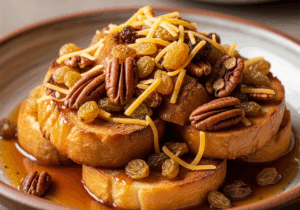

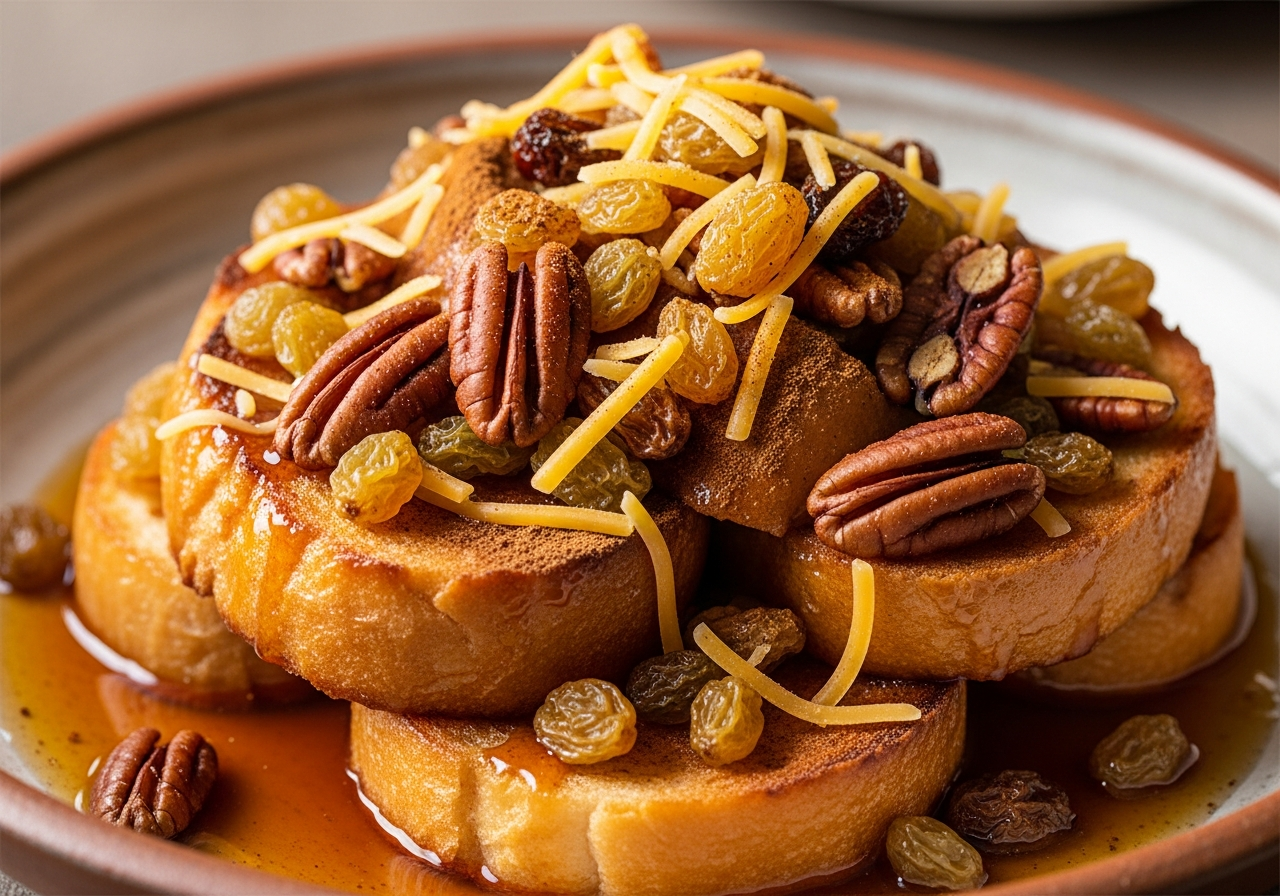
In the heart of Mexico’s culinary tapestry lies a beloved tradition that transcends mere dessert – Capirotada, the legendary sweet bread that tells stories of history, faith, and family with every bite. More than just a humble casserole of bread, cheese, syrup, and spices, this centuries-old dish weaves together flavors and symbolism that illuminate the rich cultural heritage of Mexico. As the aroma of cinnamon and toasted bread fills the air, Capirotada invites us to explore a timeless ritual that transforms simple ingredients into a appetizing festivity of life’s sweetness and resilience. Join us as we dive into the origins, variations, and enduring importance of Mexico’s iconic sweet bread tradition.
Capirotada is a cherished testament to Mexico’s vibrant culinary heritage, embodying centuries of tradition, faith, and flavor. This legendary sweet bread pudding, often savored during Lent and Holy Week, combines humble ingredients into a rich tapestry of textures and tastes.Its roots trace back to Spanish colonial times, when indigenous staples and European influences fused to create a dessert deeply symbolic of life’s sweetness amid sacrifice.
Prep and Cook Time
- Preparation: 25 minutes
- Cooking: 55 minutes
- Total Time: 1 hour 20 minutes
Yield
Serves 8 peopel generously.
Difficulty Level
Medium – Suitable for passionate home cooks eager to explore authentic Mexican flavors with a little patience and attention to detail.
Ingredients
- 8 cups bolillo or French bread, sliced thick and toasted until golden
- 4 cups piloncillo (or 1½ cups packed dark brown sugar)
- 5 cups water
- 2 cinnamon sticks
- 1 cup toasted pecans or walnuts
- 1 cup shredded Monterey Jack or queso fresco (optional, for a savory touch)
- 1 cup raisins or dried currants
- ½ cup sweetened shredded coconut
- ½ cup butter
- 1 tsp ground cloves
- 1 tsp vanilla extract
- Pinch of salt
Step-by-Step Guide to Crafting Traditional Capirotada at Home
- prepare the syrup: In a large saucepan, combine piloncillo, water, cinnamon sticks, and a pinch of salt. Bring to a gentle boil, stirring occasionally until the piloncillo fully dissolves. Reduce to low heat and simmer for 15 minutes to create a deeply aromatic syrup.
- Toast the bread: Slice the bolillo into ½-inch thick pieces.Toast in a hot oven or on a skillet until golden and firm but not burnt.This step ensures the bread soaks syrup without disintegrating.
- Layer the ingredients: Grease a deep baking dish with butter. Layer slices of toasted bread evenly at the base,then sprinkle a portion of raisins,toasted nuts,shredded coconut,and cheese over the bread.
- Pour syrup: Remove cinnamon sticks from syrup and add vanilla extract and ground cloves. Slowly pour the warm syrup over the assembled layers, letting the liquid soak in.
- Repeat layers: continue layering bread,nuts,raisins,coconut,and cheese,finishing with a final bread layer generously drizzled with syrup and dotted with butter.
- Bake to perfection: preheat oven to 350°F (175°C). Cover the dish with foil and bake for 40 minutes. Then remove foil and bake an additional 10-15 minutes until the top turns a stunning golden brown.
- Rest and serve: Let capirotada cool for at least 15 minutes to set. This allows flavors to harmonize and syrup to thicken slightly for the perfect balance of moistness and texture.
Chef’s Notes: Tips for Success
- Using day-old bolillo or French bread is ideal as it absorbs syrup without getting mushy.
- For gluten-free versions, try substituting with sturdy gluten-free bread, though texture will vary.
- Adjust syrup sweetness by varying piloncillo quantity; authentic capirotada balances sweet, spiced, and savory flavors.
- To add depth, toast nuts lightly in a dry skillet before layering; it enhances crunch and aroma.
- Make ahead: Capirotada tastes even better the next day after flavors meld; store covered at room temperature.
Pairing suggestions and Modern Twists to Elevate Your Capirotada Experience
Enjoy capirotada warm with a drizzle of Mexican crema or a scoop of rich vanilla ice cream to contrast its spiced complexity. For a festive brunch, pair with café de olla-a traditional coffee infused with cinnamon and piloncillo-to echo the dessert’s key flavors.
Modern iterations experiment with tropical fruits like mango or guava folded into layers, or even a splash of mezcal for a smoky edge. For a vegan option, swap dairy butter with coconut oil and cheese with toasted coconut flakes, maintaining vibrant textures.

| Nutrient | Per Serving |
|---|---|
| Calories | 320 kcal |
| Protein | 5 g |
| Carbohydrates | 45 g |
| Fat | 12 g |
Delve deeper into Mexico’s culinary treasures by exploring our guide to traditional Mexican holiday desserts. For detailed history on Lenten foods, visit Britannica’s entry on capirotada.
Q&A
Q&A: Capirotada – Exploring Mexico’s Legendary sweet Bread Tradition
Q1: What is Capirotada, and why is it considered legendary in mexican cuisine?
A1: Capirotada is a traditional Mexican bread pudding that weaves together toasted bolillo bread, sweet syrup, nuts, cheese, and dried fruits into a warm, hearty dessert. Its legendary status comes from centuries of cultural significance-rooted in colonial times and tied to the Lenten season-making it much more than just a sweet treat. It’s a delicious symbol of heritage, community, and religious reflection.
Q2: Where did Capirotada originate, and how has it evolved over time?
A2: Capirotada’s origins trace back to Spanish colonial Mexico, where it melded indigenous ingredients with European culinary techniques. Originally a modest bread-and-syrup pudding,it gradually embraced regional variations-incorporating local fruits,cheeses,and spices-transforming it into a colorful,textured masterpiece that tells a story with each bite.
Q3: What are the key ingredients that give Capirotada its unique flavor profile?
A3: The backbone of Capirotada is toasted bolillo or French bread, perfect for soaking up a rich piloncillo syrup infused with cinnamon and cloves. Crunchy nuts like pecans or almonds add texture, while dried fruits like raisins or apricots contribute bursts of sweetness. The surprise star? Melty queso fresco or manchego cheese, which provides a salty counterbalance that elevates the dish from simple to sublime.
Q4: How is Capirotada traditionally prepared and served?
A4: The ritual begins with slicing and toasting the bread until golden and crisp. A luscious syrup-usually made by simmering piloncillo (unrefined cane sugar), water, and warm spices-is drizzled generously over bread layers arranged in a deep casserole. Interspersed with nuts, fruits, and cheese, the layers gradually soak, bake, and meld into a sticky, fragrant pudding served warm, often accompanied by a cup of Mexican hot chocolate or café de olla.
Q5: What cultural or religious significance does Capirotada hold in Mexican society?
A5: Capirotada is much more than a dessert; it’s a symbolic feast during Lent, particularly on Good Friday.Each ingredient represents elements of the Passion of Christ-the bread symbolizes the body of Christ, syrup echoes his blood, cinnamon sticks his wooden cross, and cloves represent the nails. This culinary metaphor makes eating capirotada a meaningful, reflective tradition rooted in faith and communal memory.
Q6: Are there modern twists or regional variations of Capirotada worth exploring?
A6: Absolutely! While traditional capirotada sticks to its historic roots, many chefs and home cooks experiment with ingredients-adding tropical fruits like mango or pineapple, using chocolate or coconut flakes, or swapping classic cheeses for creamy panela or even sharp aged cheddars. From northern deserts to southern jungles, each region leaves its flavorful fingerprint, ensuring the legend of capirotada continues to evolve deliciously.
Q7: Why should someone unfamiliar with Mexican cuisine try Capirotada?
A7: Sampling capirotada is like tasting a piece of Mexican history-where spirituality, culture, and culinary artistry blend in a single dish. Its layers of flavor and texture invite you to experience a comforting warmth that transcends dessert, connecting you to centuries of stories, traditions, and the heart of Mexican hospitality. It’s sweet, savory, hearty, and utterly unforgettable.
Key Takeaways
As the sun sets on our journey through the rich tapestry of Capirotada, we uncover more than just a beloved Mexican dessert; we discover a vibrant tradition steeped in history, faith, and community. Each bite of this legendary sweet bread tells a story-of resilience, symbolism, and the warmth of shared kitchens lighting up during Lent. Whether you savor it in a bustling street market or prepare it at home with family, Capirotada invites us all to taste a slice of Mexico’s cultural soul, blending flavors and memories that endure through generations. So,the next time you seek a dessert that’s more than just a treat,remember Capirotada-a delicious piece of heritage that continues to sweeten life’s most meaningful moments.