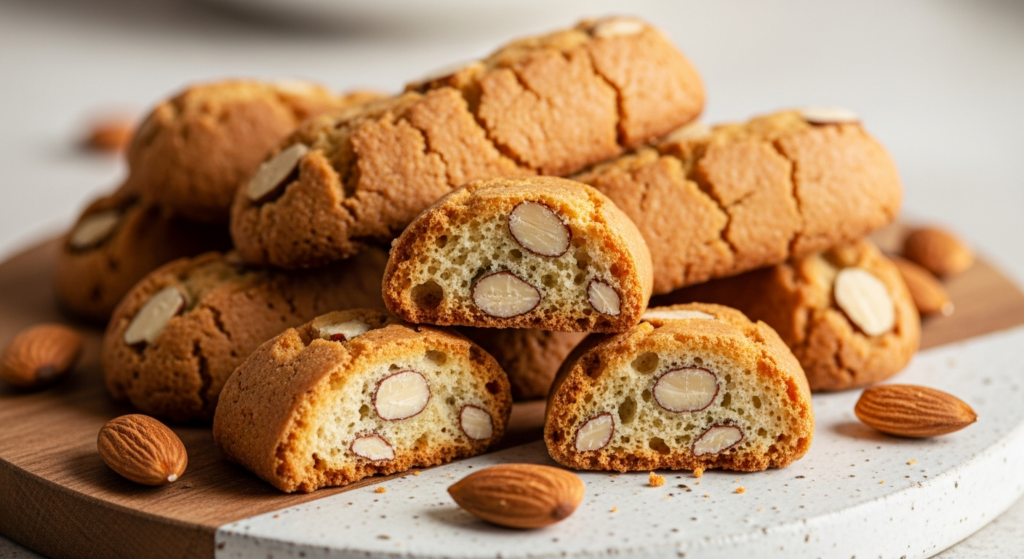

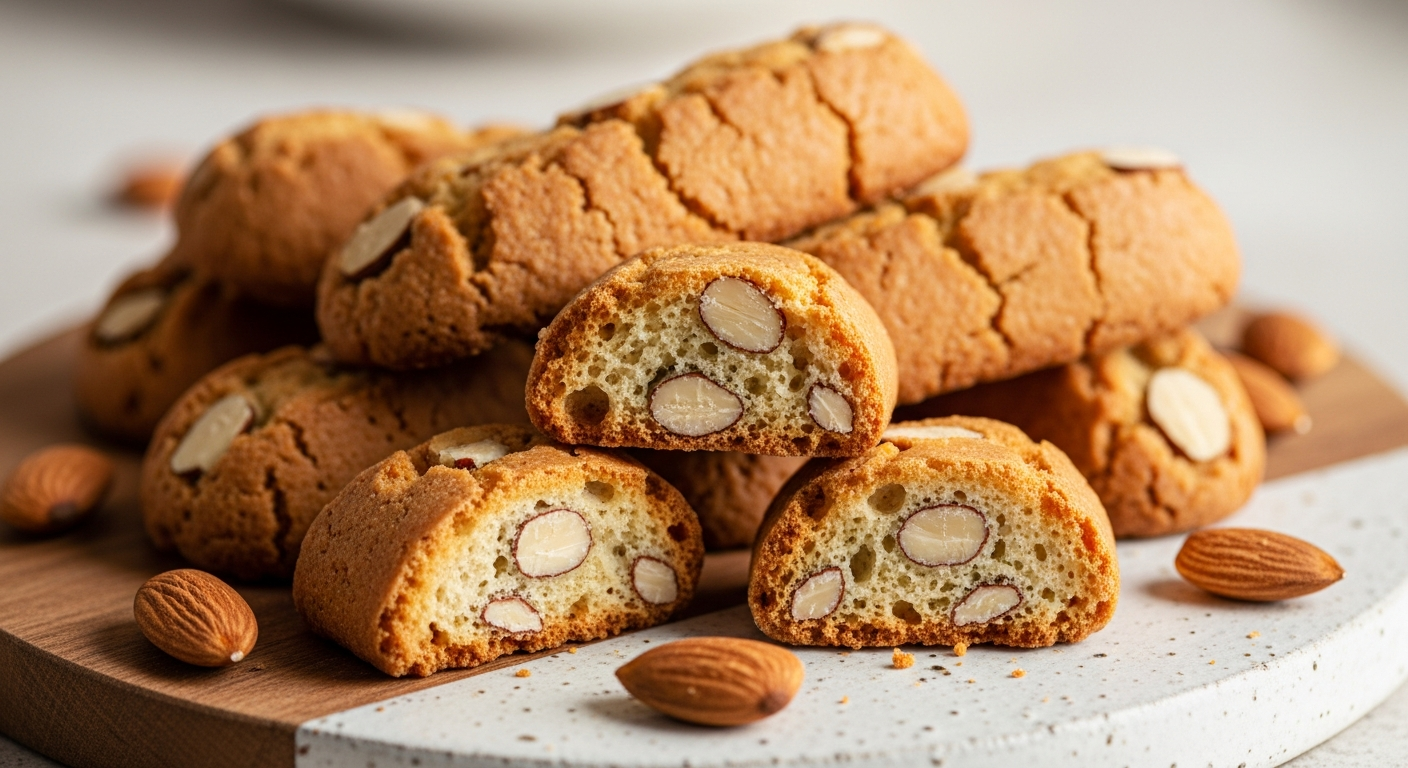
Golden, crunchy, and steeped in centuries of Italian tradition, cantucci and cantuccini are more than just twice-baked cookies-they’re a captivating journey into Italy’s rich culinary heritage. hailing from the sun-kissed Tuscan countryside, these almond-studded delights have earned their place not only on rustic wooden tables but also in the hearts of food lovers around the world. in this article, we’ll explore the origins, variations, and enduring charm of cantucci and cantuccini-those beloved, crispy treasures that pair perfectly wiht a warm cup of Vin Santo, inviting us all to savor a taste of Italy’s timeless sweetness.
Cantucci & Cantuccini, Italy’s beloved twice-baked classics, evoke the irresistible crunch and rustic charm of Tuscany’s countryside. These customary almond biscuits are steeped in history and celebrated for their distinctive texture and subtle sweetness that perfectly complement a glass of Vin Santo or robust espresso. Originating as humble peasant treats designed to last through long journeys, their twice-baked method grants a satisfyingly crisp bite, perfect for dunking and savoring slowly.
Prep and Cook Time
- Preparation: 15 minutes
- First Bake: 25 minutes
- Second Bake: 12 minutes
- Total Time: 52 minutes
Yield
Approximately 24 pieces
Difficulty Level
Easy to Medium - Perfect for bakers cozy with simple dough shaping and timing.
Ingredients
- 2 cups all-purpose flour, sifted
- 1 cup granulated sugar
- 1 teaspoon baking powder
- 3 large eggs
- 1 teaspoon pure vanilla extract
- 1 teaspoon almond extract (optional for richer flavor)
- 1 ½ cups whole almonds, toasted and coarsely chopped
- A pinch of salt
Instructions
- Preheat your oven to 350°F (175°C). Line a baking sheet with parchment paper.
- Mix dry ingredients: In a large bowl, combine sifted flour, baking powder, salt, and sugar.
- Beat eggs and extracts: In a separate bowl, whisk together eggs, vanilla, and almond extracts until smooth.
- form the dough: Slowly add the wet ingredients to the dry mixture,stirring gently until a sticky dough forms.
- Add almonds: Fold in the toasted almonds, ensuring an even distribution.
- shape logs: With lightly floured hands,shape the dough into two 12-inch logs.Place them evenly spaced on the baking sheet.
- First bake: Bake for 25 minutes or until logs are golden and firm to the touch.
- Cool slightly: Remove from oven and let cool for 10 minutes; this rest prevents breakage during slicing.
- Slice and second bake: Using a serrated knife,slice the logs diagonally into ½-inch thick pieces. Arrange biscotti cut-side down on the baking sheet.
- Final crisping: Bake the slices for an additional 10-12 minutes, flipping halfway through until both sides are dry and crisp.
- cool completely: Transfer to a wire rack to cool; this step ensures the traditional crunchy exterior.
Chef’s Notes
- Almond selection: Use raw whole almonds for toasting at 350°F for 8-10 minutes prior to mixing for maximum flavor and crunch.
- Sweetness control: Adjust sugar to taste; some variations lean less sweet, highlighting the nut’s natural earthiness.
- Make-ahead tip: Biscotti store beautifully for weeks in an airtight container, maintaining their texture and flavor.
- Textural tweak: Add citrus zest (orange or lemon) to brighten the dough, a regional nuance from Liguria.
- Gluten-free option: Substitute all-purpose flour with a 1:1 gluten-free blend suitable for baking.
serving Suggestions
For an authentic experience, serve cantucci alongside a small glass of vin Santo, the traditional tuscan dessert wine meant for dipping. Alternatively,pair these twice-baked delights with rich espresso or creamy cappuccino to balance their crunchy,nutty profile. Garnish the serving plate with fresh rosemary sprigs or a dusting of powdered sugar for a touch of elegance.

| Nutrition (per serving) | Calories | Protein | Carbs | Fat |
|---|---|---|---|---|
| One Biscotti (approx.) | 110 kcal | 3 g | 15 g | 5 g |
distinctive Ingredients and Techniques That Define Cantucci & Cantuccini
True to their Tuscan roots, the star ingredients of cantucci rely on simple, high-quality staples-fresh eggs, fragrant almonds, and pure vanilla. The twice-bake technique is their hallmark, transforming a soft dough into a long-lasting, crunchy delicacy. The initial bake cooks the dough through, while the second bake dries out the slices, providing the signature brittle texture. This dual bake also allows cantucci to hold their shape for dipping without crumbling,making them a perfect companion to Italy’s classic Vin Santo.
exploring Regional Variations Across Italy’s countryside
While almonds remain the traditional nut of choice in Tuscany, other regions introduce delightful twists.In nearby Umbria, hazelnuts or pine nuts replace almonds, adding different flavor notes. Liguria might incorporate citrus zest, and some coastal areas enrich the batter with anise seeds, lending a subtle licorice aroma. Each variation reflects the local terroir and palate,making every bite a journey through Italy’s diverse landscapes.
Perfect pairings and serving Suggestions for an Authentic Experience
To enjoy the best cantucci experience, pair these crunchy treats with a warm beverage or dessert wine. Besides the classic dipping in Vin Santo, serve with a robust espresso for a stimulating contrast. For brunch or tea, arrange on a rustic wooden board alongside a selection of dried fruits and mild cheeses, enhancing the textural symphony. A light dust of powdered sugar or a drizzle of dark chocolate can elevate these already beloved biscuits into an irresistible indulgence.
For more Italian baking inspiration, check out our tuscan Biscotti Recipe to explore other regional cookie delights you can recreate at home.
Q&A
Q&A: cantucci & Cantuccini – Italy’s Beloved Twice-Baked Classics
Q: What exactly are cantucci and cantuccini?
A: Cantucci and cantuccini are crunchy, twice-baked Italian biscuits traditionally made with almonds. They hail from Tuscany, where they are cherished as golden, nutty treats perfect for dipping in a glass of vin Santo, a sweet dessert wine. Though the names are often used interchangeably, “cantucci” typically refers to the original, larger almond biscuits from Prato, while ”cantuccini” can denote smaller or slightly varied versions enjoyed throughout Italy.
Q: How did these biscuits get their twice-baked status?
A: The twice-baked process-also known as ”biscotto” (meaning “twice cooked”)-gives cantucci their signature dry crunch.First,the dough is shaped into a log and baked until firm. Then, it’s sliced into individual pieces and baked again, transforming the soft almond bread into a crisp, golden biscuit. This method not only creates their distinctive texture but also helps preserve the biscuits for weeks-a practical delight in pre-refrigeration times.
Q: What ingredients make cantucci so special?
A: The classic cantucci recipe is a harmonious trio: flour, sugar, and whole almonds. Some regional variations add egg yolks,honey,or anise seeds for a hint of spice. The almonds are often toasted beforehand to elevate their nutty aroma.The simplicity of ingredients is key-the magic lies in the balance and baking technique that yields their iconic crunch and subtly sweet flavor.
Q: How are cantucci traditionally enjoyed in Italy?
A: Traditionally, cantucci are dunked into a glass of Vin Santo, a luscious Tuscan dessert wine. The sweet wine softens the biscuit,creating a perfect marriage of textures and flavors-a chewy,nutty biscuit marrying the rich,honeyed warmth of the wine. This ritual is a time-honored way to end a meal, encouraging slow savoring and convivial conversation.
Q: Can cantucci be enjoyed beyond Vin Santo dips?
A: Absolutely! While vin Santo remains the classic companion, cantucci’s versatility invites creativity. They pair beautifully with coffee, tea, or hot chocolate. Crumble them over gelato or yogurt for a crunchy topping, or serve alongside cheese for a sweet-and-savory snack. Modern twists even incorporate dried fruits, chocolate chips, or different nuts, expanding their appeal in contemporary kitchens worldwide.
Q: What makes cantucci a cultural icon in Italy?
A: Beyond their taste, cantucci embody the essence of Tuscan tradition-simple, wholesome ingredients crafted with care and patience. They reflect Italy’s love of conviviality, where food is both comfort and ceremony. Passed down through generations, cantucci connect Italians to their heritage, reminding them that even the humblest biscuit can carry a story, a memory, and a moment of joy.
Q: Where can one find authentic cantucci outside Italy?
A: Thanks to growing global thankfulness,authentic cantucci are found in Italian bakeries across the world. For the adventurous, crafting them at home is an approachable project-just gather almonds, flour, sugar, eggs, and patience. Specialty stores and online retailers also offer artisanal versions imported directly from Tuscany,perfect for those craving a taste of Italy’s beloved twice-baked classic wherever they may be.
In every crunchy bite of cantucci or cantuccini, you taste a slice of Italy’s past and a timeless tradition-simple biscuits baked twice, shared endlessly. Whether dipped, crumbled, or savored solo, they invite you to slow down and appreciate the beauty of old-world baking. Buon appetito!
to sum up
From the sun-drenched hills of Tuscany to tables across the world, cantucci and cantuccini have carved their place as Italy’s cherished twice-baked treasures. These crisp, almond-studded delights invite us not only to savor their nutty sweetness but to partake in a centuries-old tradition that celebrates patience, craftsmanship, and the simple joy of dipping biscotti into velvety Vin Santo. Whether enjoyed as a humble afternoon snack or a festive finale, these classic cookies remind us that sometimes, the richest flavors come from the most enduring processes. So next time you reach for a cantucci or cantuccini, you’re not just tasting a biscuit-you’re biting into a piece of Italian heritage, lovingly baked to perfection.