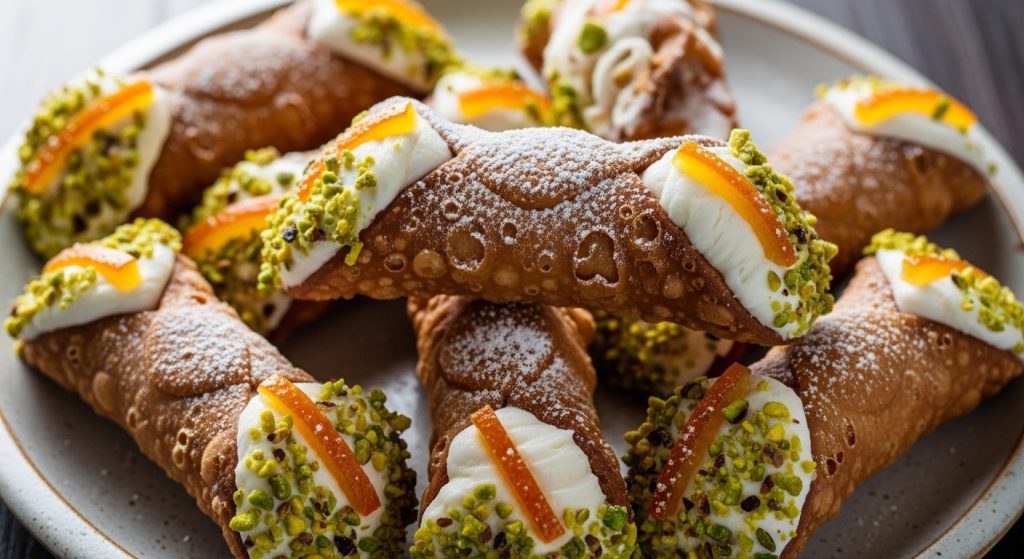

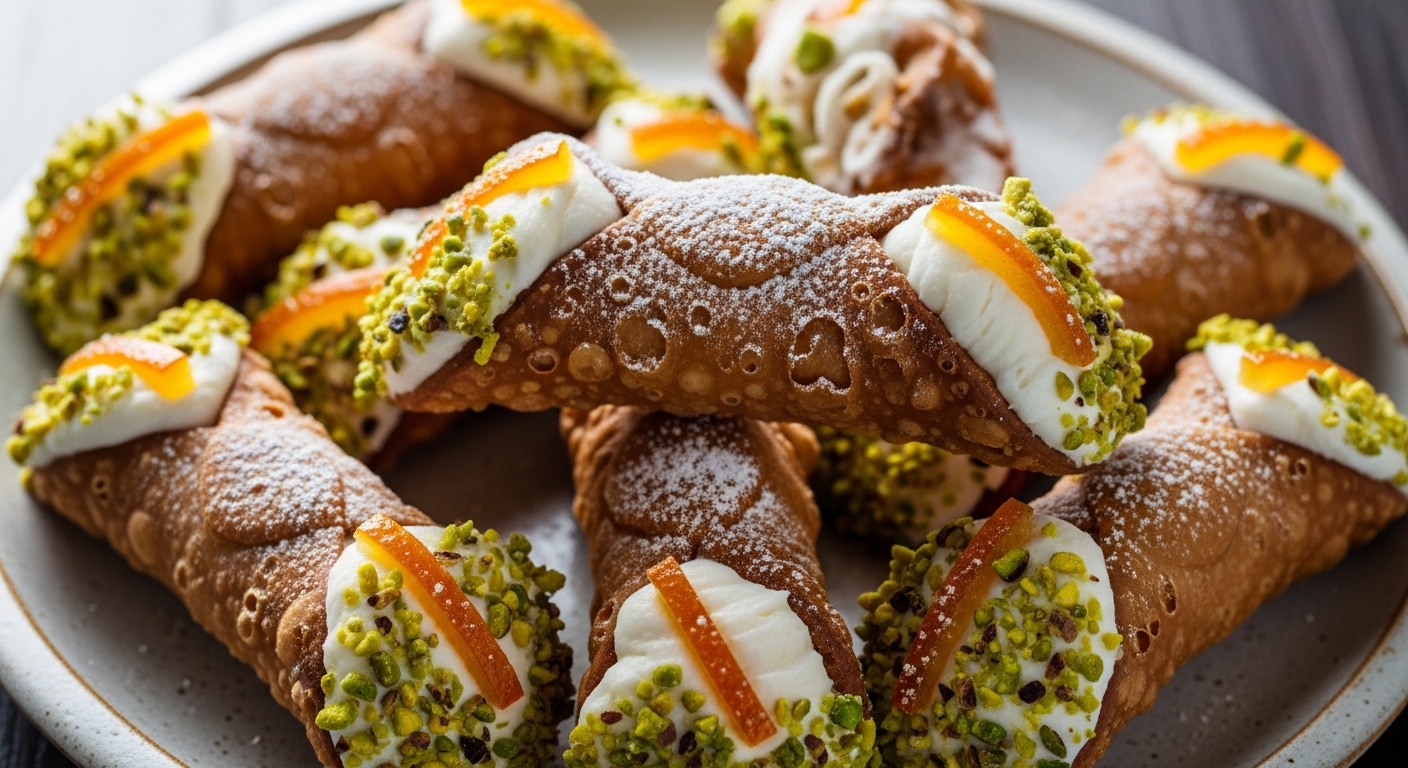
Nestled in the sun-drenched landscapes of Sicily, where history and tradition dance in every corner, lies a treasure that has captivated sweet lovers for centuries: the cannoli. This iconic pastry, wiht its crisp, golden shell embracing a luscious ricotta filling, is more than just a dessert-it’s a story, a festivity, and a symbol of Sicilian culture all rolled into one. In “Cannoli Unwrapped: Exploring Sicily’s Sweetest Delight,” we embark on a flavorful journey to uncover the origins, artistry, and enduring allure of this beloved confection. From bustling street markets to family-run bakeries, prepare to discover why the cannoli remains Sicily’s sweetest and most irresistible gift to the world.
Cannoli Unwrapped reveals the enchanting story of Sicily’s most beloved pastry,a dessert that delights with its crisp shell and luscious ricotta filling. This iconic treat springs from centuries-old traditions rooted in Sicilian culture, where cannoli were originally crafted to celebrate Carnevale, the festive period before Lent. The allure lies not only in its contrasting textures but also in its rich symbolism-as a joyful indulgence signifying abundance and sweet escape.
Prep and Cook Time
- Preparation: 45 minutes
- Cooking: 15 minutes
- total Time: 1 hour
Yield
8 classic cannoli (servings)
Difficulty Level
Medium
Ingredients
-
- For the Shells:
- 2 cups all-purpose flour, sifted
- 2 tbsp granulated sugar
- 1/4 tsp salt
- 2 tbsp unsalted butter, cold and diced
- 1 large egg
- 1/2 cup dry white wine (preferably Marsala or Pinot Grigio)
- Vegetable oil, for frying
- Canoli tubes or metal cylinder molds, for shaping
- For the Filling:
- 2 cups whole milk ricotta, drained overnight
- 3/4 cup powdered sugar, sifted
- 1 tsp pure vanilla extract
- 1/4 cup mini dark chocolate chips (optional)
- 1/4 cup chopped candied orange peel (optional)
- 1/2 tsp cinnamon (optional)
- For Garnish:
- Chopped pistachios
- Powdered sugar (for dusting)
- Extra mini chocolate chips or edible rose petals (optional)
- For the Shells:
Instructions
-
-
- Prepare the dough: In a large bowl, combine flour, sugar, and salt.Add the cold diced butter and rub it into the flour with yoru fingertips until the mixture resembles coarse crumbs.
- Form the dough ball: Whisk the egg and white wine together, then gradually add to the flour mixture. Stir with a fork until loose dough forms, then knead gently on a floured surface until smooth and elastic, about 5-7 minutes. Wrap in plastic and rest for 30 minutes.
- Roll and shape shells: Divide dough into small portions and roll out each to a thin 1/8 inch thickness. use a 4-inch circle cutter to create rounds. Wrap each circle tightly around a cannoli tube, sealing edges with a little water.
- Fry shells: Heat oil in a deep pot to 350°F (175°C). Fry the wrapped dough for 2-3 minutes, turning frequently until golden brown and crisp. Remove carefully with tongs and drain on paper towels. Let cool wholly before removing the metal tubes to avoid breaking.
- Prepare Ricotta filling: In a chilled bowl, beat the drained ricotta with powdered sugar and vanilla extract until smooth and creamy. Fold in mini chocolate chips and candied orange peel if desired. Refrigerate until firm.
- Fill the shells: Just before serving, use a piping bag fitted with a large round nozzle to fill each shell from both ends, ensuring an even, generous filling.
- Garnish & serve: Dip the open ends of the filled cannoli into chopped pistachios or extra chocolate chips. Dust with powdered sugar and optionally decorate with edible rose petals for an elegant touch.
-
Tips for Success
-
-
- Drain Ricotta Thoroughly: To prevent a watery filling, always drain ricotta cheese overnight in a cheesecloth-lined sieve.
- Wine Alternatives: For a non-alcoholic version, replace wine with cold water mixed with a teaspoon of lemon juice or vinegar for tender, crisp shells.
- Frying Safety: Maintain consistent oil temperature for even cooking; use a candy thermometer if possible.
- Make Ahead: The shells can be prepared and stored in an airtight container for up to 2 days, but fill only right before serving to retain crunch.
-
Serving Suggestions
The delicate balance of crunchy shells and smooth ricotta filling makes these cannoli irresistible alone, but they truly shine when paired with a robust espresso or a glass of sweet Marsala wine. Present cannoli on a rustic wooden board garnished with fresh mint sprigs, extra chocolate chips, or crushed pistachios for vibrant color and texture contrast. For a contemporary twist,try serving alongside a scoop of blood orange sorbet or drizzled lightly with dark chocolate sauce.

| Nutrient | Per Cannoli |
|---|---|
| Calories | 280 kcal |
| Protein | 6 g |
| Carbohydrates | 32 g |
| Fat | 14 g |
Discover more about Sicilian sweets like Sicilian Tiramisu to continue your adventure through the island’s rich dessert heritage.For deeper historical context, visit the Encyclopedia britannica’s Cannoli Entry, an authoritative source that details the pastry’s cultural journey across centuries.
Q&A
Q&A: Cannoli Unwrapped – Exploring Sicily’s Sweetest Delight
Q1: What exactly is a cannoli?
A1: Imagine a crispy, golden tube of fried pastry shell, lovingly filled with a luscious, creamy ricotta blend-this is the legendary cannoli. Originating from Sicily,these delightful treats marry crunchy textures with sweet,velvety interiors,creating a bite that’s both decadent and playful.
Q2: Where did the cannoli come from?
A2: Cannoli hail from the sun-kissed island of Sicily, with roots tracing back to the Arab influence during the Middle Ages. Initially made to celebrate Carnevale,their popularity skyrocketed,evolving from festive indulgence to everyday pleasure embraced worldwide.
Q3: What makes Sicilian cannoli unique?
A3: sicilian cannoli are more than just dessert-they’re a cultural emblem. Authentic versions use fresh sheep’s milk ricotta, frequently enough strained for creamy perfection, and shells delicately fried to a crisp golden brown. Traditional garnishes include candied fruit,pistachios,and a dusting of powdered sugar,honoring the island’s rich agricultural bounty.
Q4: How is the ricotta filling prepared?
A4: The magic lies in the ricotta! Sicilians carefully drain fresh ricotta to remove excess moisture, then gently whip it with sugar, sometimes adding hints of vanilla, citrus zest, or cinnamon. This creates a smooth, subtly sweet filling that is both light and indulgent.
Q5: are there variations of cannoli?
A5: Absolutely! While classic cannoli reign supreme,regional and modern takes abound. Some shells are infused with cocoa or wine,fillings may include mascarpone or chocolate chips,and toppings range from crushed nuts to chocolate drizzle-each twist a delicious note on the traditional theme.
Q6: When is the best time to enjoy a cannoli in Sicily?
A6: Anytime you find yourself wandering Sicilian streets craving something sweet! Though, during Carnevale, these treats shine brightest, embodying the festive spirit with extra flair. Pair a cannoli with a strong espresso or a glass of sweet Marsala wine for the full experience.
Q7: Can I make authentic Sicilian cannoli at home?
A7: Yes, but it’s an art! The key challenges are crafting ultra-crisp shells and achieving the perfect ricotta consistency. With patience, quality ingredients, and perhaps a trusty cannoli mold, you can bring a slice of Sicily’s sweetest delight right to your kitchen.
Q8: Why has the cannoli become a beloved global icon?
A8: Cannoli captivate with their harmonious contrast-crispy shell meeting creamy filling, simplicity infused with tradition. They tell a story of heritage, celebration, and sensory delight, making them not just a dessert, but a delicious symbol of Sicilian warmth shared with the world.
Wrapping Up
As the final crumbs of a cannoli melt away, what remains is more than just a lingering sweetness-it is a story of Sicily’s rich history, vibrant culture, and artisanal passion folded delicately into every crispy shell and creamy filling. Unwrapping the mystery behind this beloved pastry reveals not only its irresistible flavors but also the heartbeat of an island where tradition and taste intertwine seamlessly. Whether savored in a bustling Sicilian piazza or recreated in kitchens far beyond the Mediterranean, the cannoli continues to be a delicious testament to Sicily’s enduring spirit-one bite at a time.