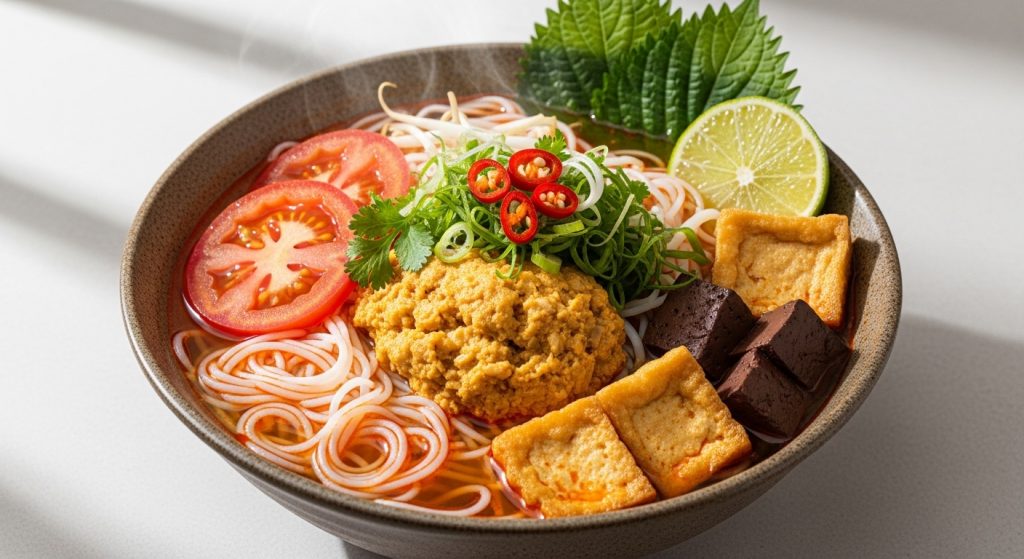

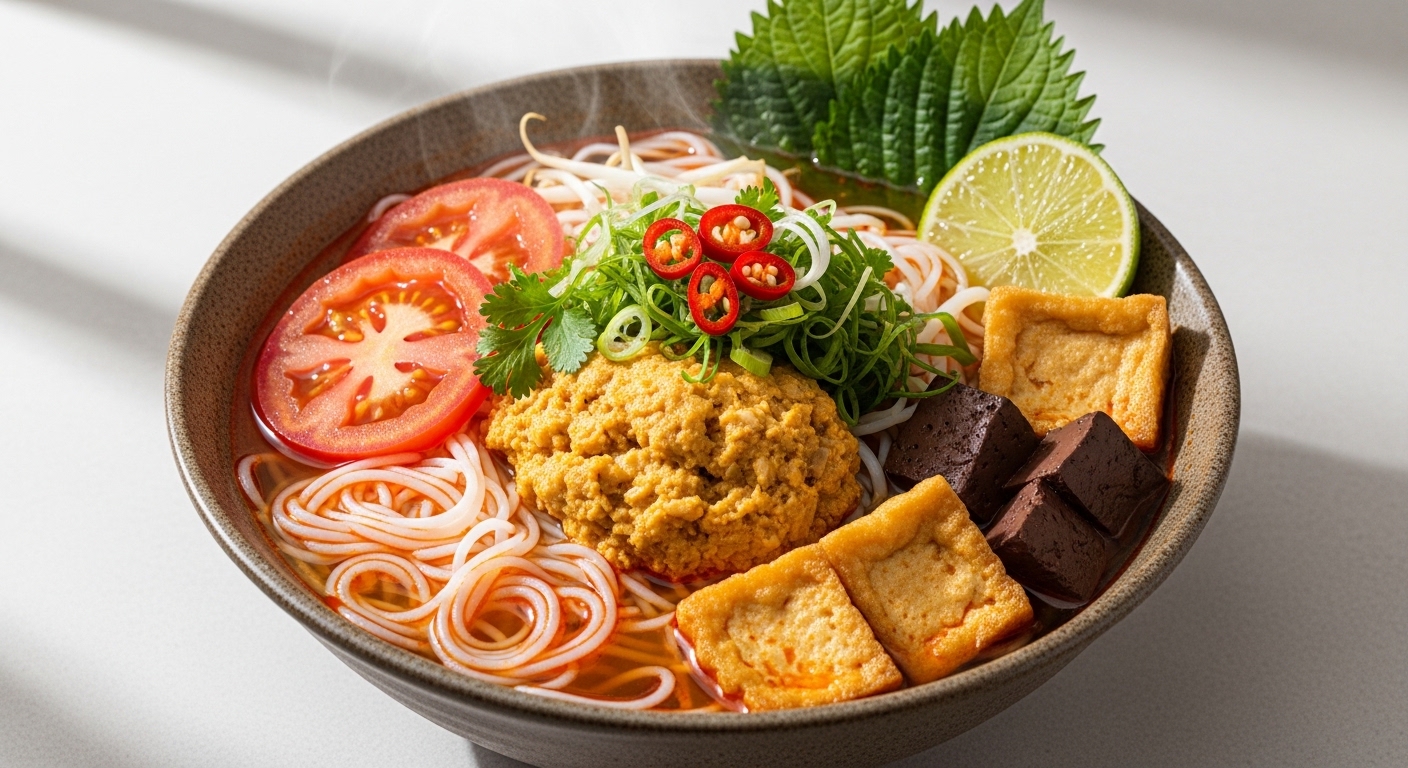
Nestled within the bustling streets of vietnam,Bun Rieu stands as a vibrant testament to the country’s rich culinary heritage-a tangy,aromatic crab soup that awakens the senses with every spoonful. This beloved dish, brimming with tomatoes, fresh herbs, and delicate crab meat, offers a harmonious dance of flavors that capture the essence of Vietnam’s coastal charm. Whether you’re a passionate foodie or an adventurous home cook, mastering the art of Bun Rieu unlocks a delicious gateway to authentic Vietnamese comfort food. In this article, we’ll guide you through the secrets and steps to recreate this savory, soul-warming soup-so get ready to dive into a bowl of tradition and tang!
Bun Rieu Recipe invites you to experience the vibrant flavors of Vietnam through its tangy and fragrant crab soup. This iconic dish, rooted in humble street-side origins, bursts with fresh herbs, succulent crab meat, and a distinctly sour broth balanced by sweet tomatoes and fermented shrimp paste. my first encounter with Bun Rieu on the bustling streets of Hanoi hooked me instantly-the way the broth tingles your palate while the ribbons of vermicelli soak up every nuance of flavour is nothing short of magical.Now, let’s embark on crafting this authentic recipe with the freshest ingredients and techniques that celebrate every layer of this traditional masterpiece.
Prep and Cook Time
- Readiness Time: 30 minutes
- Cook Time: 1 hour 15 minutes
- Total Time: 1 hour 45 minutes
Yield
Serves 4 generous bowls
Difficulty Level
Medium – Requires attention to detail but very rewarding
Ingredients
- 300g fresh crab meat (preferably blue crab or freshwater crab), picked clean
- 500g pork ribs or pork bones, for broth base
- 200g rice vermicelli noodles (bún)
- 4 medium ripe tomatoes, quartered
- 2 tbsp fermented shrimp paste (mắm tôm), adjusted to taste
- 1 tbsp cooking oil
- 3 cloves garlic, finely minced
- 1 small onion, quartered
- 2 liters water
- 2 eggs, lightly beaten
- Salt and white pepper, to taste
- 2 tbsp fish sauce
- Fresh herbs for garnish: vietnamese perilla leaves, mint, shredded banana blossoms, scallions, and cilantro
- Optional: Fried tofu puffs and thinly sliced green papaya
Instructions
- Build the broth base: Rinse pork ribs thoroughly. In a large pot, add 2 liters of water and pork ribs. Bring to a gentle boil, skimming off any foam to keep broth clear. Simmer for 45 minutes until flavorful.
- Sauté aromatics and tomatoes: In a separate pan, heat 1 tbsp cooking oil over medium heat. Add minced garlic and quartered onion. Sauté for 2-3 minutes until fragrant but not browned. Add tomatoes and cook until they soften and release juice, about 8 minutes.
- Combine sautéed mixture with broth: Transfer the tomato mixture into the pork broth. Stir in the fermented shrimp paste, adjusting quantity gradually while tasting to achieve the iconic tangy-salty depth. Simmer an additional 15 minutes to marry flavors.
- Add crab meat and eggs: reduce heat to low. Gently fold in fresh crab meat, distributing evenly. slowly drizzle in beaten eggs in a thin stream to create silky egg ribbons. Allow to warm through for 5 minutes without boiling to keep delicate texture.
- Cook vermicelli noodles: Meanwhile, soak rice vermicelli according to package instructions, or boil for 2 minutes until al dente. Drain and rinse with cold water to stop cooking.
- Season the broth: Taste and adjust seasoning with fish sauce, salt, and white pepper. The broth should be tangy with a subtle savory backbone and no overpowering saltiness.
- Prepare garnishes and serve: Arrange fresh herbs, sliced green papaya, and fried tofu puffs in small bowls. Place drained vermicelli in serving bowls, ladle piping hot crab broth over noodles, and top with garnishes. serve immediately to capture the soup’s vibrant aroma and texture.
Tips for Success
- Use the freshest crab meat possible-ask your fishmonger for live crabs or recently cooked blue crab meat for the best flavor and texture.
- Fermented shrimp paste is potent; add slowly and taste frequently to avoid overpowering the broth.
- simmer the pork bones gently-vigorous boiling clouds the broth and diminishes clarity.
- For a vegetarian alternative, replace crab and pork with tofu and mushrooms-though the flavor profile will differ.
- Make the broth one day ahead to deepen flavors; store in refrigerator and skim fat before reheating.
- Use ripe, sweet tomatoes as they contribute a natural brightness and tang essential to bun rieu’s character.
Serving Suggestions
Presentation is key to elevating your Bun Rieu recipe experience.Serve in deep bowls layered with tender vermicelli noodles topped by the vibrant red crab broth. Scatter finely shredded banana blossoms and fresh Vietnamese perilla leaves on top, adding a burst of texture and anise-like fragrance. Include plates of lime wedges and thin slices of fresh chili for diners to customize the tang and heat.A dish of fried tofu puffs adds delightful contrast in texture when dunked into the luscious broth. Pair with a refreshing iced jasmine tea or crisp Asian lager for a complete sensory journey.

| Nutrient | Per Serving |
|---|---|
| Calories | 320 kcal |
| Protein | 25g |
| Carbohydrates | 35g |
| Fat | 8g |
For a deeper dive into Vietnamese noodle soups, check out our Pho Recipe. Want to learn more about the history and cultural meaning of vietnamese fermented shrimp paste used in this Bun Rieu recipe? Visit the extensive overview at Serious Eats.
Q&A
Q&A: Mastering the Art of vietnam’s Tangy Crab soup – Bun Rieu Recipe
Q1: What exactly is Bun Rieu?
A1: Bun Rieu is a beloved Vietnamese noodle soup that dances on your palate with its lively, tangy broth and delicate crab flavors. Traditionally made with freshwater crab paste, tomatoes, and sometimes pork or fermented shrimp, this vibrant dish boasts a harmonious blend of savory, sour, and sweet notes – a true culinary gem from Vietnam’s northern regions.
Q2: What makes the broth in Bun Rieu so special?
A2: The magic lies in its balance. The broth is a radiant, ruby-red elixir infused with the sweetness of ripe tomatoes and the umami hit from crab paste.A subtle hint of tamarind or dried shrimp powder often adds a refreshing tartness that awakens the senses. Slow-simmered pork bones or chicken stock serves as a rich base, ensuring depth and warmth beneath the zesty surface.
Q3: What are the key ingredients in a traditional bun Rieu recipe?
A3: Essential stars in Bun Rieu include:
- Freshwater crab paste or minced crab meat (for that signature briny punch)
- Tomatoes (for sweetness and acidity)
- Pork bones or chicken stock (as broth base)
- Rice vermicelli noodles (bun)
- Tofu (fried or fresh)
- Eggs (sometimes whisked into the broth creating delicate ribbons)
- Aromatics like garlic, shallots, and lemongrass
- Herbs such as Vietnamese perilla, cilantro, and shredded banana blossom
- Condiments: lime wedges, chili, and fermented shrimp paste for extra kick
Q4: Is Bun Rieu difficult to make at home?
A4: While Bun Rieu might appear complex, it’s surprisingly approachable! The key is to prepare each component carefully and build layers of flavor. Fresh ingredients and a bit of patience in simmering the broth go a long way. With a decent crab paste or substitute, fresh tomatoes, and a bit of practise, you can create a bowl that rivals street vendors in Hanoi.
Q5: Can I substitute crab paste if I can’t find it?
A5: Absolutely! If fresh or paste crab isn’t available, ground shrimp, canned crab meat, or even dried shrimp powder can provide similar umami flavors. Just remember, the crab paste’s slightly fermented sweetness is unique, so consider balancing with a touch of fish sauce and extra tomato acidity to mimic that bright tang.
Q6: What sides or garnishes traditionally accompany Bun Rieu?
A6: Bun Rieu is always served with a vibrant garden of fresh herbs and crunchy veggies. Expect generous plates of shredded banana blossom,bean sprouts,scallions,Thai basil,mint,and perilla leaves. Lime wedges, sliced bird’s eye chili, and a dollop of fermented shrimp paste or chili paste let you personalize each spoonful for an extra burst of flavor and texture.
Q7: Any pro-tips for making the broth irresistibly delicious?
A7: To elevate your broth:
- Simmer pork bones for at least 2-3 hours to extract deep flavor.
- Roast tomatoes slightly before adding for a smoky sweetness.
- Lightly fry the crab paste with garlic and shallots to release aroma before introducing liquids.
- Adjust seasoning gradually – a splash of sugar alongside fish sauce balances the sourness beautifully.
- Add beaten eggs near the end to create silky ribbons and a luscious mouthfeel.
Q8: How is Bun Rieu typically enjoyed in Vietnam?
A8: It’s often a bustling breakfast or brunch delight enjoyed steaming hot alongside friends and family. Slurped up eagerly on the streets or at home,each bowl is customized with your choice of herbs,lime,and chili,making every bite a lively celebration of Vietnam’s rich culinary tapestry.
Q9: Can bun Rieu be made vegetarian or vegan?
A9: Yes! Substitute crab paste with fermented soybean paste or mushroom powder to build umami depth, and use vegetable stock instead of meat broth. Tofu and mushrooms can replace protein elements,while tomatoes continue to provide that crucial tang. The fresh herbs and crunchy garnishes remain essential to capture the authentic experience.
Q10: Why should I try making Bun Rieu at home?
A10: Beyond its unforgettable flavor, bun Rieu offers an opportunity to connect with Vietnamese culture and cooking traditions. Crafting this soup teaches patience, layering flavors, and embracing fresh, wholesome ingredients. Each bowl is a sensory journey to the bustling streets of Hanoi – with a tangy, soulful warmth that comforts and delights.
To wrap It Up
As you’ve journeyed through the vibrant flavors and delicate techniques of Bun Rieu, you’re now equipped to bring a taste of Vietnam’s coastal kitchens into your own home. This tangy crab soup is more than just a dish-it’s a celebration of tradition, a symphony of fresh ingredients, and a comforting bowl that warms both body and soul. Whether you’re sharing it with loved ones or savoring a quiet moment,mastering Bun Rieu invites you to experience a beloved culinary art that transcends borders. So gather your ingredients, embrace the process, and let each spoonful transport you to the bustling streets of Hanoi, where every bowl tells a story. Happy cooking!