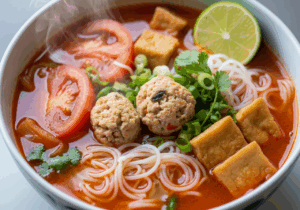

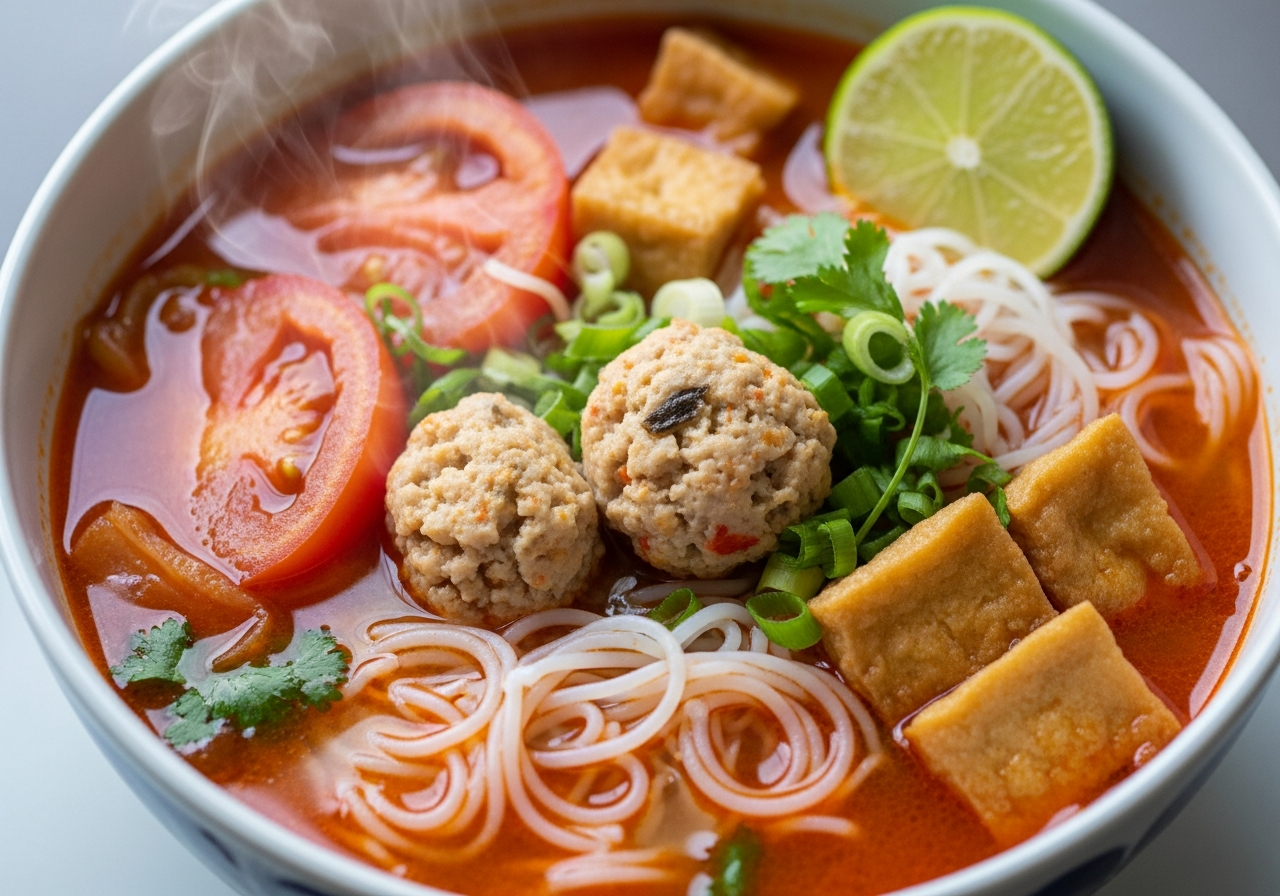
In the vibrant tapestry of Vietnamese cuisine, one dish stands out for its harmonious blend of tangy, savory, and aromatic flavors: Bun Rieu. This beloved crab noodle soup,with its shining red broth and delicate crab meat,offers more than just a meal-its a sensory journey through the bustling streets and rich culinary traditions of Vietnam. In this article, we’ll dive into the origins, ingredients, and cultural significance of Bun Rieu, uncovering what makes this tangy crab noodle delight a must-try for food lovers around the world. Whether you’re a seasoned foodie or a curious traveler, prepare to explore the enticing world of Bun Rieu, where every spoonful tells a story.
Bun Rieu Vietnam captures the vibrant soul of Vietnamese cuisine with its uniquely tangy, fragrant, and heartwarming crab noodle soup. Born from humble origins in northern vietnam,this dish tells a tale of coastal abundance and ingenious pantry mastery,transforming simple ingredients into a symphony of flavors. The bright tartness of tamarind and the gentle sweetness of fresh crab combine in a savory broth that instantly transports you to bustling street markets or cozy family kitchens along the Red River Delta.
Prep and Cook Time
- Planning: 30 minutes
- Cooking: 1 hour 15 minutes
- Total: 1 hour 45 minutes
Yield
Serves 4 hearty portions
Difficulty Level
Medium – a rewarding challenge for those eager to master authentic Vietnamese broths
Ingredients
- 300g fresh blue crab meat, picked and drained
- 150g minced pork (optional for texture contrast)
- 200g rice vermicelli noodles, soaked and drained
- 3 large tomatoes, quartered
- 1 large onion, finely sliced
- 3 tablespoons dried shrimp paste
- 2 tablespoons tamarind paste, dissolved in ½ cup warm water
- 1 tablespoon annatto seeds, soaked in ½ cup warm oil
- 4 garlic cloves, minced
- 1 teaspoon sugar
- 1 liter chicken or pork broth
- Salt and white pepper, to taste
- fresh herbs: shredded perilla leaves, thinly sliced scallions, shredded banana flower
- Bean sprouts, lime wedges, chili slices for serving
Instructions
- Prepare the crab broth base: In a large pot, heat the annatto-infused oil until vibrant red. sauté the minced garlic and sliced onion until fragrant and slightly translucent, about 5 minutes.
- Add dried shrimp paste: Stir in the dried shrimp paste and cook for 2 more minutes to release a deep umami aroma. This step creates the foundational flavor of the broth.
- Incorporate tomatoes: Add quartered tomatoes, stirring gently until they soften and begin to break down, roughly 8 minutes.this infuses the broth with natural sweetness and acidity.
- Add crab meat and pork: Introduce the fresh crab meat and minced pork. Stir carefully to combine, letting the proteins absorb the rich flavors for about 5 minutes.
- Pour broth and simmer: Slowly pour in the chicken or pork broth. bring to a gentle simmer and cook uncovered for 40 minutes. Skim off any impurities floating on the surface for a clean broth.
- Season the broth: Mix tamarind water into the pot, balancing the tanginess with sugar, salt, and white pepper.Taste frequently to achieve the signature bright and savory profile that distinguishes Bun Rieu Vietnam.
- Prepare noodles and garnishes: While the broth simmers, blanch rice vermicelli noodles in boiling water until tender, then drain and divide among four bowls.
- Assemble and serve: Ladle the steaming crab broth over the noodles. Top each bowl with fresh herbs, shredded banana flower, bean sprouts, lime wedges, and sliced chili for an explosion of fresh textures and flavors.
Chef’s Notes
- Crab meat quality: Use fresh blue crab or canned crab meat if fresh is unavailable, but always drain thoroughly to avoid excess water diluting the broth.
- Tamarind balance: If tamarind is too intense, dilute with a little broth or water; the balance between tangy and savory is key to mastering the dish.
- Protein variations: Minced pork is optional but adds a delightful textural contrast to the delicate crab; feel free to omit it for a seafood-only version.
- Make-ahead: The broth tastes even better the next day as flavors deepen. Store separately from noodles and fresh toppings to keep textures crisp and vibrant.
- For a vegetarian twist: Substitute crab with tofu and mushroom broth. Use fermented soybean paste instead of shrimp paste for a similar umami punch.
Serving Suggestions
Present your Bun Rieu Vietnam with an abundant platter of condiments on the side-sliced bird’s eye chili, extra lime wedges, and fresh herbs. Encourage diners to add bean sprouts and herbs to their own bowls, creating an interactive and aromatic experience. Accompany the meal with a light Vietnamese iced tea or a crisp lager to enhance the broth’s zesty brightness. Serve in wide bowls to allow the colorful tomatoes, green herbs, and bright crab meat to visually pop against the deep red broth-a feast for both the eyes and palate.
| Nutrient | Per Serving |
|---|---|
| Calories | 380 kcal |
| Protein | 30 g |
| Carbohydrates | 45 g |
| fat | 8 g |
discover more about Vietnamese noodle soups in our Pho Recipe Guide and explore authentic flavors worldwide through Britannica’s overview of Vietnamese cuisine.

Q&A
Q&A: Bun Rieu Vietnam – Exploring the Tangy Crab Noodle Delight
Q1: What is Bun Rieu, and why is it so beloved in Vietnamese cuisine?
A1: Bun Rieu is a conventional Vietnamese noodle soup that bursts with tangy, savory flavors. At its heart,it features a bright,tomato-infused broth enriched with crab paste and often complemented with freshwater crab or crab cakes. This soup strikes a beautiful balance between sour,sweet,and umami notes,making it a beloved comfort food throughout Vietnam.
Q2: How does Bun Rieu differ from other Vietnamese noodle soups like Pho or Bun Bo Hue?
A2: While Pho focuses on clear, aromatic beef broth and Bun Bo Hue offers a spicy, lemongrass-rich experience, bun Rieu stands out with its distinctively tangy and slightly sweet crab-based broth. The addition of tomatoes and fermented shrimp paste gives it a unique,vibrant character. Plus, the use of crab cakes and freshwater crab adds a special seafood twist not typically found in other Vietnamese soups.
Q3: What ingredients make Bun Rieu’s broth so flavorful and tangy?
A3: The broth is a harmonious marriage of fresh crab paste, ripe tomatoes, shrimp paste (mam tom), and sometimes dried squid. These ingredients meld during slow simmering to create a broth that’s bright, slightly sour, and rich in umami. The tomatoes provide acidity and sweetness, while the fermented shrimp paste lends a deep, savory complexity.Q4: Are there regional variations of Bun Rieu within Vietnam?
A4: Absolutely! Northern, central, and Southern Vietnam each offer subtle twists. For example,Northern variations may be lighter and less spicy,focusing on a cleaner crab flavor,while Southern styles often feature more pronounced sourness,additional herbs,and sometimes a sweeter profile. Some regions also add tofu, blood jelly, or different seafood to enrich the dish.
Q5: What type of noodles are traditionally used in Bun Rieu?
A5: The noodles are typically thin rice vermicelli,known as “bún” in Vietnamese.These noodles have a delicate texture that absorbs the flavorful broth perfectly, creating a balanced bite with the crab cakes, tomatoes, and fresh herbs that are served atop.
Q6: What garnishes and accompaniments enhance the Bun Rieu experience?
A6: Freshness is key in Bun Rieu! Common garnishes include shredded banana blossom, bean sprouts, scallions, cilantro, and perilla leaves.A squeeze of lime,a dash of chili,and a splash of Vietnamese shrimp paste sauce (mam tom) at the table allow diners to customize the tang and heat to their liking.
Q7: Can Bun Rieu be made at home, or is it best enjoyed at Vietnamese restaurants?
A7: while Bun Rieu can be made at home, it requires patience and access to certain specialty ingredients like fresh crab paste and shrimp paste. Many home cooks take pride in perfecting their recipes, but for newcomers, enjoying this dish at a Vietnamese restaurant-especially one specializing in hue or Southern Vietnamese cuisine-is a appetizing introduction to its complex flavors.
Q8: Why should food adventurers add Bun Rieu to their culinary bucket list?
A8: Bun Rieu offers a uniquely vibrant and comforting flavor journey that’s unlike any other noodle soup.Its tangy, rich broth paired with delicate noodles and fresh herbs delivers a complex yet approachable taste experience. Exploring Bun Rieu means diving deep into Vietnam’s coastal culinary heritage and savoring a dish that’s as culturally rich as it is indeed delicious. If you love flavors that dance on your palate and stories in every bowl, Bun Rieu is an absolute must-try!
Final Thoughts
As the fragrant aromas of Bun Rieu linger in your mind, it becomes clear that this vibrant Vietnamese dish is more than just a meal-it’s a celebration of flavors, history, and culture all in one bowl. With its harmonious blend of tangy tomatoes,succulent crab,and delicate noodles,Bun Rieu invites food lovers on a culinary journey that’s both comforting and invigorating. Whether enjoyed at a bustling street stall in Hanoi or recreated in your own kitchen, this tangy crab noodle delight offers a taste of Vietnam’s rich gastronomic heritage that’s as memorable as it is indeed delicious. so next time you seek a dish that’s uniquely flavorful and endlessly satisfying, let Bun Rieu be your guide to a truly tangy, savory adventure.