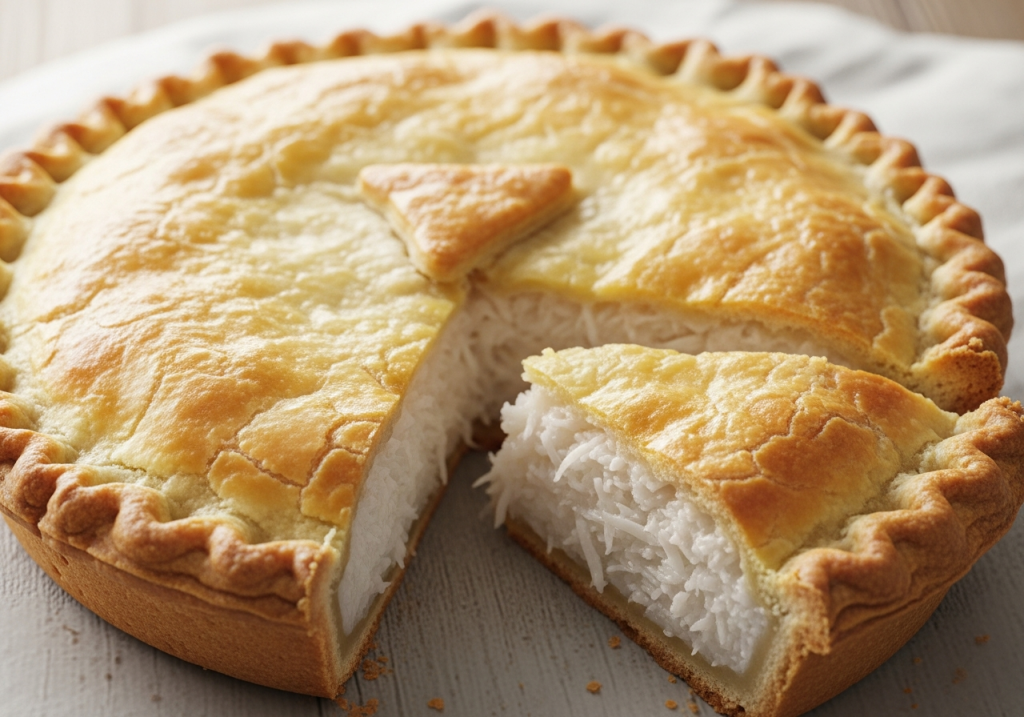

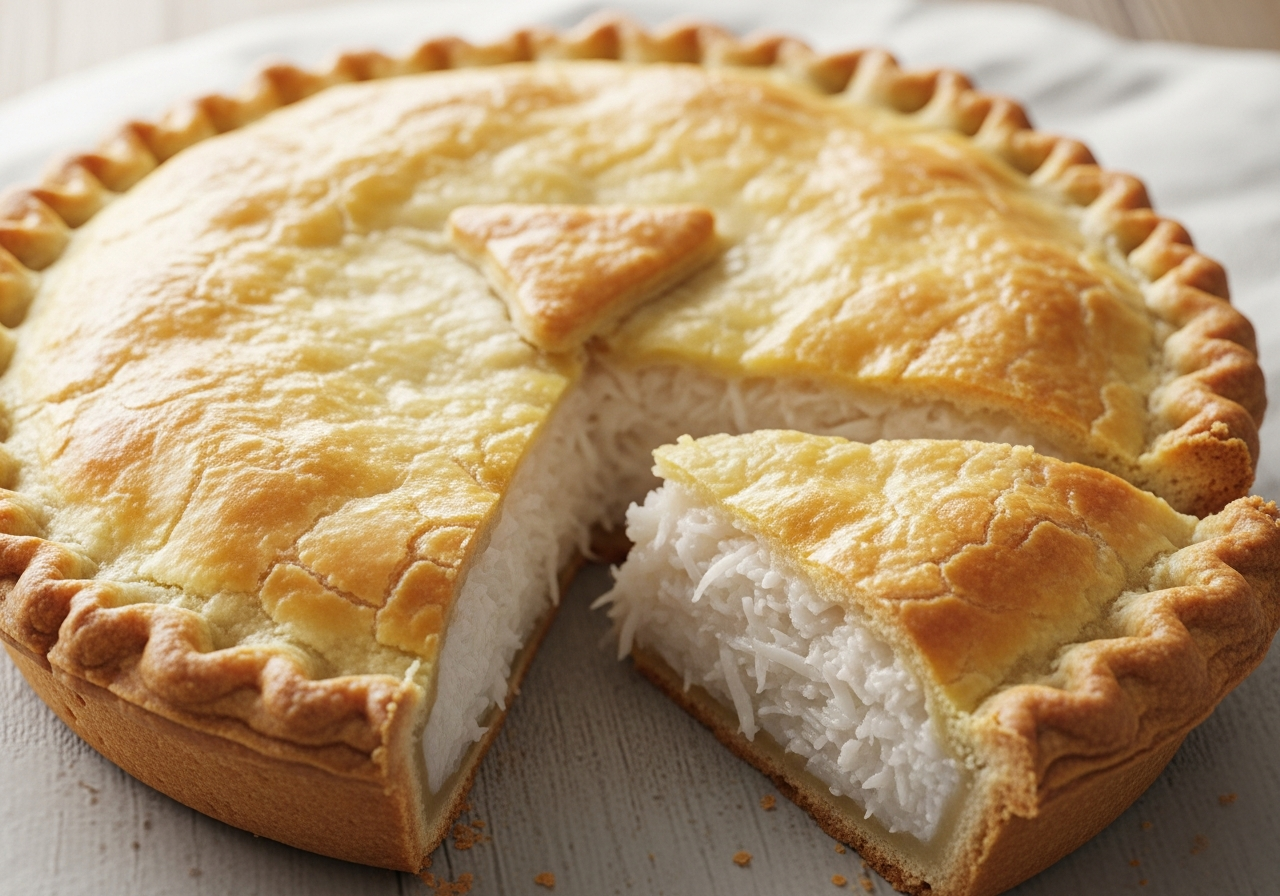
There’s something irresistibly enchanting about the sweet, creamy goodness of buko pie-a beloved Filipino treat that captures the essence of the islands in every bite. Nestled within a flaky, buttery crust lies the rich, tender flesh of young coconut, transforming a humble dessert into a mouthwatering celebration of tradition and tropical flavor. Whether you’re a curious food lover or a home baker eager too explore new culinary horizons, this easy buko pie recipe guide will walk you through the steps to create your own slice of the Philippines. Get ready to bring a taste of sunshine and heritage to your kitchen, one delightful pie at a time.
The Sweet Taste of the Philippines: Easy Buko Pie Recipe Guide begins with the essential step of selecting the perfect young coconut, or “buko,” to achieve that luscious, creamy coconut filling iconic to this beloved Filipino dessert. Choosing a fresh, ripe young coconut ensures your pie bursts with natural sweetness and tender, succulent meat that melts effortlessly into the flaky crust.
Prep and Cook time
- Preparation: 30 minutes
- Cooking: 50 minutes
- Total: 1 hour 20 minutes
Yield
Serves 8 generous slices
Difficulty Level
Medium - Perfect for home bakers with some experience seeking an authentic Filipino treat
ingredients
- For the filling:
- 2 cups fresh young coconut meat, shredded
- 1 ½ cups coconut milk (fresh or canned)
- 1 cup granulated sugar
- ½ cup evaporated milk
- ¼ cup all-purpose flour, sifted
- 1 tsp vanilla extract
- Pinch of salt
- For the crust:
- 2 ½ cups all-purpose flour, sifted
- 1 tsp salt
- 1 tbsp sugar
- 1 cup cold unsalted butter, cubed
- 6-8 tbsp ice water
Instructions
- Selecting the buko: Look for a young coconut with a green exterior, slightly soft when pressed but free of dark spots or cracks.Fresh meat should be tender yet firm enough to shred easily.
- Prepare the crust: In a large bowl, combine 2 ½ cups sifted flour, 1 tsp salt, and 1 tbsp sugar. Cut in the cold butter using a pastry cutter or fingertips until the mixture resembles coarse crumbs.
- Add ice water: Gradually mix in 6-8 tablespoons of ice water, stirring with a fork until dough just comes together. Do not overwork. Divide into two discs, wrap in plastic, chill for at least 30 minutes.
- Make the filling: In a saucepan over medium heat, whisk together 1 ½ cups coconut milk, ½ cup evaporated milk, and 1 cup sugar until sugar dissolves. Stir in ¼ cup sifted flour gradually, stirring constantly to avoid lumps.
- Cook the mixture: Continue stirring until the filling thickens into a creamy custard, about 5-7 minutes. Remove from heat and fold in shredded 2 cups fresh young coconut meat, 1 tsp vanilla, and a pinch of salt.
- Assemble the pie: Preheat oven to 375°F (190°C). Roll out one disc of dough on a floured surface into a 12-inch circle and fit into a 9-inch pie pan.
- Pour filling: Spoon the coconut custard filling evenly into the pie shell. Roll out the second dough disc and cover as a top crust or create a lattice pattern.
- Seal and vent: Pinch edges together and cut slits in the top crust to let steam escape. Optional: Brush with a beaten egg yolk for a golden finish.
- Bake: Place pie on the center rack and bake for 45-50 minutes, or until crust is golden brown and filling bubbles gently at the edges.
- Cool: Let the pie cool wholly on a wire rack to allow the filling to set for the perfect slice.
Tips and Tricks for a Flawless Buko Pie
- For the freshest filling, try extracting coconut milk from your buko’s juice if available.
- Keep all ingredients cold when making the crust to ensure flakiness.
- If fresh young coconut is unavailable, canned young coconut strips can be a convenient substitute without sacrificing too much flavor.
- Do not overfill the pie, as the custard expands during baking.
- Use a glass pie pan to monitor crust browning for even baking.
- make the pie a day ahead-the flavors deepen and texture improves after resting overnight.
Serving Suggestions to Elevate Your buko Pie Experience
Present your Sweet Taste of the Philippines masterpiece warm or at room temperature. A scoop of rich vanilla ice cream or a dollop of whipped cream complements the silky coconut filling beautifully. Garnish with toasted desiccated coconut flakes for an added crunch and aromatic finish. Pair your slice with a fresh cup of brewed Barako coffee or a chilled calamansi juice to balance the sweetness with refreshing acidity.

| Nutritional Info (per slice) | Calories | Protein | Carbs | Fat |
|---|---|---|---|---|
| Buko Pie | 320 kcal | 4 g | 45 g | 12 g |
Unlock more about traditional Filipino desserts and tantalize your taste buds with our detailed Filipino Desserts Guide and explore the rich cultural roots behind each bite. For in-depth coconut varieties and health benefits,visit the National Center for Biotechnology Information.
Q&A
Q&A: Sweet Taste of the Philippines - Easy Buko Pie Recipe Guide
Q1: What is buko Pie and why is it so beloved in the Philippines?
A1: Buko Pie is a traditional Filipino dessert made from young coconut (buko) meat baked inside a flaky, buttery crust. It’s beloved for its creamy, subtly sweet filling paired with a crisp pastry-a perfect harmony of textures that embodies the warm, tropical flavors of the Philippines.It’s more then just a pie; it’s a nostalgic bite of home and heritage.
Q2: What makes Buko pie different from other coconut desserts?
A2: Unlike coconut candies or drinks, Buko Pie highlights the tender strips of fresh young coconut baked in a custard-like filling, encased in pie crust. It’s a delightful contrast – the softness of the coconut and custard inside, with the golden crunch outside – making it a unique Filipino twist on classic pies.
Q3: Can I make Buko Pie easily at home using simple ingredients?
A3: Absolutely! One of the joys of Buko Pie is its simplicity. With common pantry staples like all-purpose flour, butter, sugar, eggs, milk, and fresh or frozen young coconut strips, you can whip up this tropical treat without fuss. The key is a good balance of sweetness and a flaky crust to hold it all together.
Q4: What tips will help me get that perfect flaky crust in my Buko Pie?
A4: Work quickly and keep your butter cold to ensure flakiness. use cold water and avoid overworking the dough. Chilling the dough before rolling out helps it hold its shape. And when assembling,handle the crust gently – this preserves the delicate layers that bake into crisp,buttery goodness.
Q5: Is it possible to make Buko Pie healthier or with dietary substitutions?
A5: Definitely! You can swap all-purpose flour for whole wheat or gluten-free blends. Use coconut milk or almond milk instead of regular milk for added flavor or dietary needs. Reducing sugar or using natural sweeteners like coconut sugar can also lighten the sweetness while keeping that authentic tropical vibe.
Q6: How should I serve and store Buko Pie for the best experience?
A6: Buko Pie tastes heavenly warm from the oven, perhaps with a scoop of vanilla ice cream or a drizzle of caramel. For storage, wrap it tightly and refrigerate – it keeps well for 3-4 days. Reheat gently in the oven to revive that flaky crust and creamy filling before serving.
Q7: Can I get creative with the filling?
A7: Of course! while classic Buko Pie uses simple young coconut custard, adding a hint of pandan leaf, a sprinkle of toasted macadamia nuts, or a dash of vanilla or cinnamon can elevate your pie. Just remember to keep the balance so the delicate coconut flavor remains the star.
Q8: Where can I find fresh young coconut meat if I don’t live in the Philippines?
A8: Many Asian supermarkets carry frozen young coconut strips or fresh buko. Canned young coconut strips can be a convenient option but drain excess liquid well. If fresh coconut is unavailable, frozen products work well and retain great flavor and texture.
Q9: What occasions are perfect for enjoying Buko Pie?
A9: Buko Pie is a festive treat at family gatherings, holidays, and town fiestas. It’s equally perfect as a sweet afternoon snack paired with coffee or tea. Sharing a slice is like sharing a piece of Filipino culture-sweet, warm, and full of heart.
Q10: Where can I learn more authentic Filipino recipes like Buko Pie?
A10: Dive into Filipino cookbooks, food blogs, and YouTube channels dedicated to Filipino cuisine. Local Filipino communities often share treasured recipes and cooking tips, bridging generations through food. Exploring these resources can turn your kitchen into a mini Filipino fiesta!
Enjoy bringing a slice of the philippines to your table with this easy, delicious Buko Pie guide! Whether you’re a seasoned baker or a curious newbie, this tropical delight is sure to sweeten your culinary adventures.
Wrapping Up
As the last flaky crumb of your homemade buko pie melts away, you’re not just savoring a dessert-you’re experiencing a slice of Filipino tradition, rich with tropical sweetness and heartfelt warmth. This easy buko pie recipe isn’t just a guide; it’s an invitation to bring a piece of the Philippines into your kitchen, blending simple ingredients with a story steeped in culture.Whether you share it with loved ones or enjoy it as a personal treat, the sweet taste of buko pie is sure to leave a lasting impression-one that beckons you to return again and again to this delightful, coconut-kissed classic. So go ahead, bake with love, and let every bite transport you to the sun-drenched shores of the Philippines.