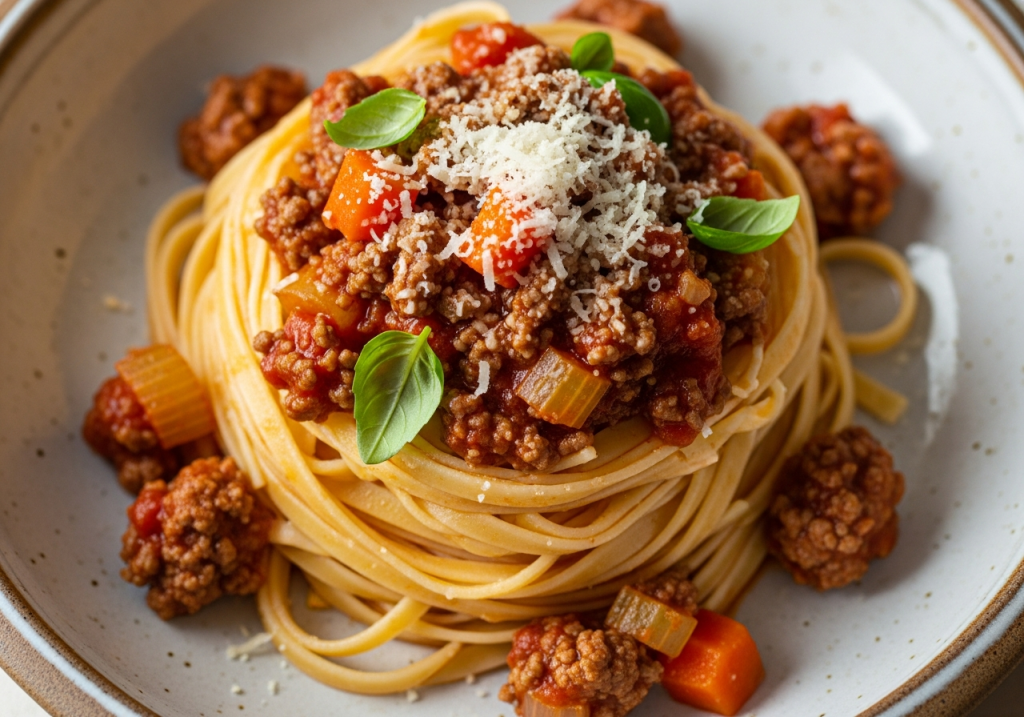

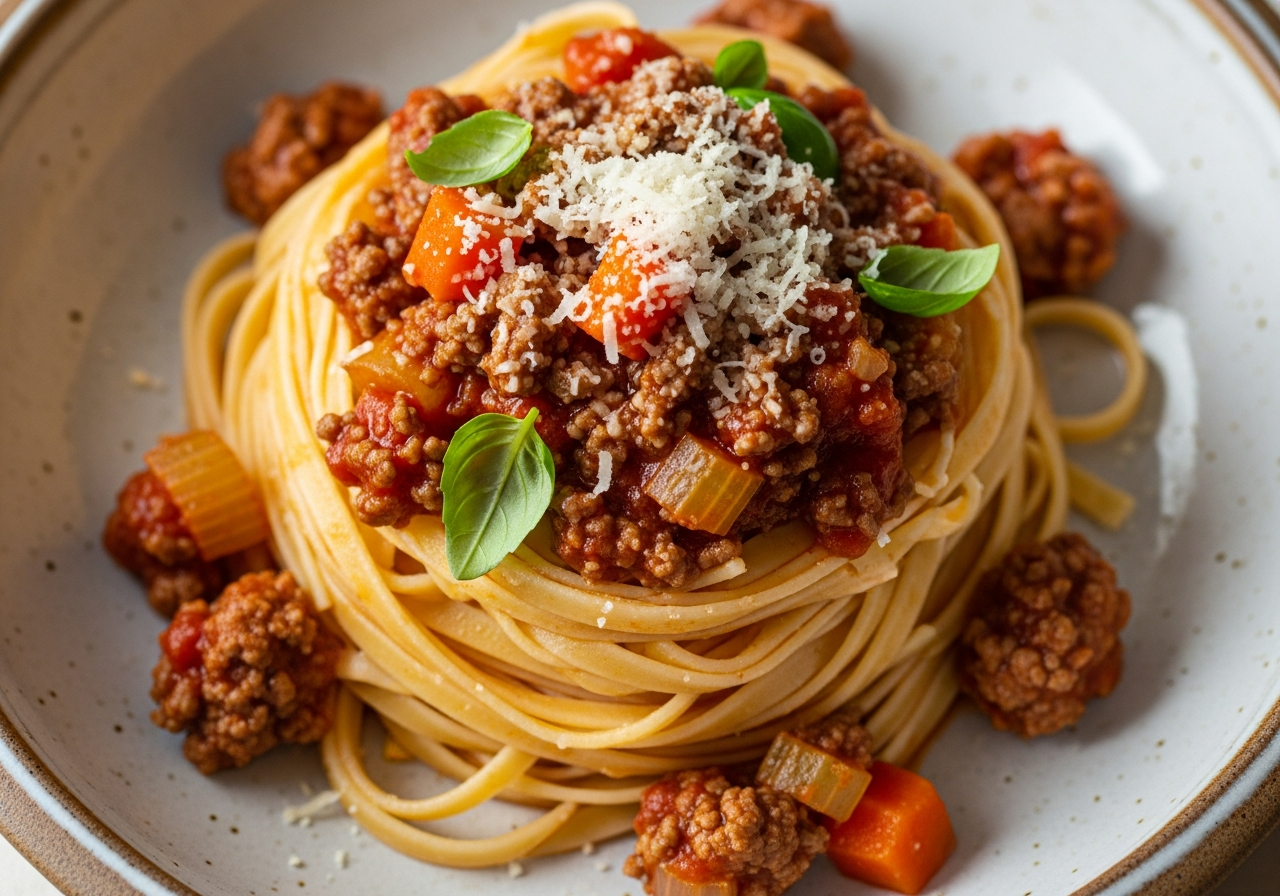
there’s more to Bolognese sauce than meets the eye-a rich tapestry of flavors, traditions, adn techniques woven together over centuries in the heart of Italy. Unlocking the secrets of authentic Bolognese sauce mastery is like embarking on a culinary journey that transcends mere ingredients,inviting you to explore the art of slow-cooked harmony and rustic elegance. In this article, we delve beyond the fast fixes and shortcuts, revealing the essence of what makes a true Ragù alla Bolognese beloved around the world. Prepare to discover how time, patience, and a handful of humble ingredients transform into a sauce bursting with depth, character, and soul.
Unlocking the secrets of authentic Bolognese sauce mastery begins with appreciating the harmonious blend of humble,carefully selected ingredients and the artistry of slow simmering. This sauce is the embodiment of Italian culinary heritage-each bite a journey through rich, slow-cooked flavors that build from the very first sautéed morsel to the last simmered hour.
Prep and Cook Time
- Readiness: 20 minutes
- Cooking: 3 hours 30 minutes
- Total Time: 3 hours 50 minutes
Yield
Serves 6 generously
Difficulty Level
Medium
Ingredients
- 2 tbsp extra virgin olive oil
- 3 tbsp unsalted butter
- 1 medium yellow onion, finely diced
- 2 celery stalks, finely diced
- 2 medium carrots, finely diced
- 4 oz pancetta, finely chopped
- 500 g (1.1 lbs) ground beef chuck
- 250 g (0.55 lbs) ground pork
- 1 cup whole milk
- 1 cup dry white wine
- 1 can (28 oz) whole peeled San marzano tomatoes,crushed by hand
- Salt and freshly ground black pepper,to taste
- Freshly grated Parmigiano-Reggiano,for serving
crafting the Perfect Sofrito: Building Flavor from the Ground Up
The soul of this sauce lies in its soffritto-the classic trio of finely chopped onion,celery,and carrot. When sautéed slowly in a marriage of extra virgin olive oil and unsalted butter, these vegetables release a symphony of aromas and sweetness that form the essential base.Precision in chopping and gentle heat are key-aim for a translucent, soft soffritto without browning.This foundational step sets the stage for the sauce’s complexity.
Simmering Secrets: Patience and Technique for Rich Depth
Once the soffritto is perfected, adding pancetta introduces a subtle smoky richness. Browning the ground beef and pork in batches over medium-high heat ensures a deep, caramelized crust which seals in juices and intensifies flavor. Incorporating whole milk early softens the meat’s texture and mellows acidity,a trademark of authentic preparation.
Throughout the simmering process, combine the hand-crushed San Marzano tomatoes and dry white wine before reducing the sauce over very low heat. Maintain a gentle bubble-never a hard boil-to coax out layers of savory depth, allowing flavors to meld beautifully over at least 3 hours. this slow cooking is where magic happens, drawing out the sauce’s signature velvety consistency.
Balancing Taste and Texture: Expert Tips for Serving and Storing
The final seasoning with salt and pepper is crucial-taste regularly to keep the balance vibrant without overpowering the delicate sweetness and earthiness developed in the long cook. for ideal texture, serve your Bolognese tossed with al dente tagliatelle or pappardelle, letting the ribbon pasta embrace every luscious strand of sauce.
Leftovers improve overnight, resting in an airtight container in the fridge. Reheat gently with a splash of broth to regain silkiness. This sauce also freezes beautifully, making it a versatile staple for effortless gourmet meals any day.
Instructions
- Prepare the soffritto: In a large heavy pot, heat olive oil and butter over medium-low heat.Add finely diced onion, celery, and carrot. Sauté gently until soft and translucent, about 10 minutes, stirring frequently to avoid browning.
- Add pancetta: Stir in chopped pancetta and cook until lightly crisp, about 5 minutes.
- Brown the meats: Increase heat to medium-high. Add ground beef in small batches to avoid steaming; cook until well-browned, about 6 minutes per batch. Repeat with ground pork. Return all meat to the pot.
- Incorporate milk: pour in milk and simmer gently, stirring frequently, until completely absorbed, about 20 minutes. This softens the meat and cuts acidity.
- Add wine: Stir in white wine and cook until mostly reduced, around 15 minutes.
- Tomatoes join in: Add crushed San Marzano tomatoes. Bring to a very gentle simmer, skimming any fat off the surface.
- Simmer low and slow: Reduce heat to the lowest setting. Cook uncovered, stirring occasionally, for 3 to 3.5 hours. The sauce should thicken to a rich, velvety consistency.
- Season to taste: Salt and pepper generously, tasting as you go to balance the flavors perfectly.
- Serve: Toss with freshly cooked pasta and finish with a generous grating of Parmigiano-Reggiano.
Chef’s Notes
- For a deeper umami note, add a splash of beef stock during the simmering stage.
- If you prefer a leaner sauce, substitute pork with ground veal or turkey, though flavor will be milder.
- finely chopping soffritto vegetables by hand yields the best texture; however, a food processor pulse can speed up prep.
- Leftovers develop richer flavor after resting overnight-feel free to make this sauce ahead for celebrations.
Serving Suggestions
Present this luxurious Bolognese over broad ribbons of fresh tagliatelle or pappardelle pasta, allowing the sauce to cling to every strand. Garnish with torn fresh basil leaves or a sprig of flat-leaf parsley for vibrant color and freshness. A delicate drizzle of high-quality extra virgin olive oil before serving enhances silkiness. Pair with a crisp Italian white wine like Verdicchio or a medium-bodied Chianti for an authentic dining experiance.
| Nutrient | Per Serving |
|---|---|
| Calories | 420 kcal |
| Protein | 32 g |
| Carbohydrates | 18 g |
| Fat | 24 g |
Explore more classic Italian pasta recipes to expand your culinary repertoire.
For detailed insights on the nutritional benefits of ingredients like tomatoes and lean meats, visit The Academy of Nutrition and Dietetics.

Q&A
Q&A: Unlocking the Secrets of Authentic Bolognese Sauce Mastery
Q1: what makes authentic Bolognese sauce different from other meat sauces?
A1: Authentic Bolognese, or Ragù alla Bolognese, is a symphony of slow-cooked, finely balanced ingredients rather than a quick, chunky meat sauce.Unlike a typical spaghetti sauce, it emphasizes a delicate soffritto base, minced beef and pork, a splash of milk to soften acidity, and a long, patient simmer that melds flavors into a rich, velvety masterpiece.
Q2: What are the essential ingredients for a true Bolognese sauce?
A2: The heart of Bolognese is a trio of finely chopped onion, carrot, and celery (the soffritto), combined with ground beef and often pork, pancetta for depth, whole milk, white wine for brightness, and a touch of tomato paste. Notably, fresh tomatoes are minimal-this isn’t a tomato-forward dish, but rather a meat-centered ragu with tomato as a gentle accent.
Q3: Why is milk added to Bolognese sauce?
A3: Milk is the unsung hero in Bolognese, mellowing the acidity of tomatoes and wine, tenderizing the meat, and adding luscious silkiness to the sauce. It creates a creamy background that enhances the umami without overwhelming the palate.
Q4: How long should authentic Bolognese be cooked?
A4: Patience is key-authentic Bolognese simmers gently for at least 2 to 4 hours, allowing the ingredients to break down and flavors to harmonize. This slow cooking transforms humble components into a sauce with depth, body, and an irresistible aroma.
Q5: What pasta pairs best with Bolognese?
A5: Thick, sturdy pastas like tagliatelle or pappardelle are customary companions, their broad ribbons ready to catch the luscious meat sauce. Unlike the popular spaghetti pairing, these wider noodles hold the ragù’s rich texture far better, allowing you to savor every bite.
Q6: Can Bolognese be made vegan or vegetarian while staying authentic?
A6: While traditional Bolognese is anchored firmly in meat, modern culinary creativity offers plant-based alternatives using mushrooms, lentils, or textured vegetable proteins to mimic the texture and umami depth. Though these versions won’t be “authentic” in the strictest sense, they can honor the spirit of the dish’s slow-cooked richness and comforting heartiness.
Q7: What common mistakes should be avoided when making Bolognese?
A7: Beware of rushing the process or overloading the sauce with tomatoes, resulting in a tangy marinara rather than a true ragù. Also, skipping the milk or not finely chopping the soffritto can rob the sauce of its traditional creamy texture and balanced flavor. don’t forget the slow simmer-without time, the flavors remain disparate, never fully blossoming.
Q8: Any tips for elevating home-cooked Bolognese to restaurant quality?
A8: Use high-quality meats, preferably a mix of beef and pork for richness. Finely chop all vegetables for uniform cooking, and don’t skip the soffritto-this flavor base is indispensable. Add the milk early to soften the sauce’s edges, and simmer gently, stirring occasionally.Serve freshly grated Parmigiano-Reggiano on top to add salty, nutty complexity.
Unlocking the secrets of authentic Bolognese takes time, respect for tradition, and a passion for slow cooking, but the reward is a sauce that sings with warmth, depth, and centuries of Italian culinary heritage. Buon appetito!
Key Takeaways
As you’ve journeyed through the rich tapestry of ingredients, techniques, and traditions that define an authentic Bolognese sauce, you now hold the keys to unlocking its full potential in your own kitchen. Mastery of this iconic Italian classic is less about rigid recipes and more about embracing patience, quality, and a genuine respect for time-honored methods. So, next time you stir your pot, remember: every simmer, every aromatic whisper, and every lovingly folded ingredient brings you one step closer to creating a sauce that’s not just a meal, but a story-rich, soulful, and unmistakably Bolognese.Buon appetito!