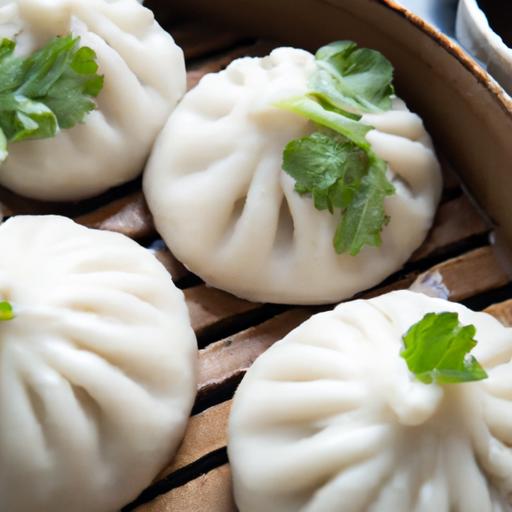

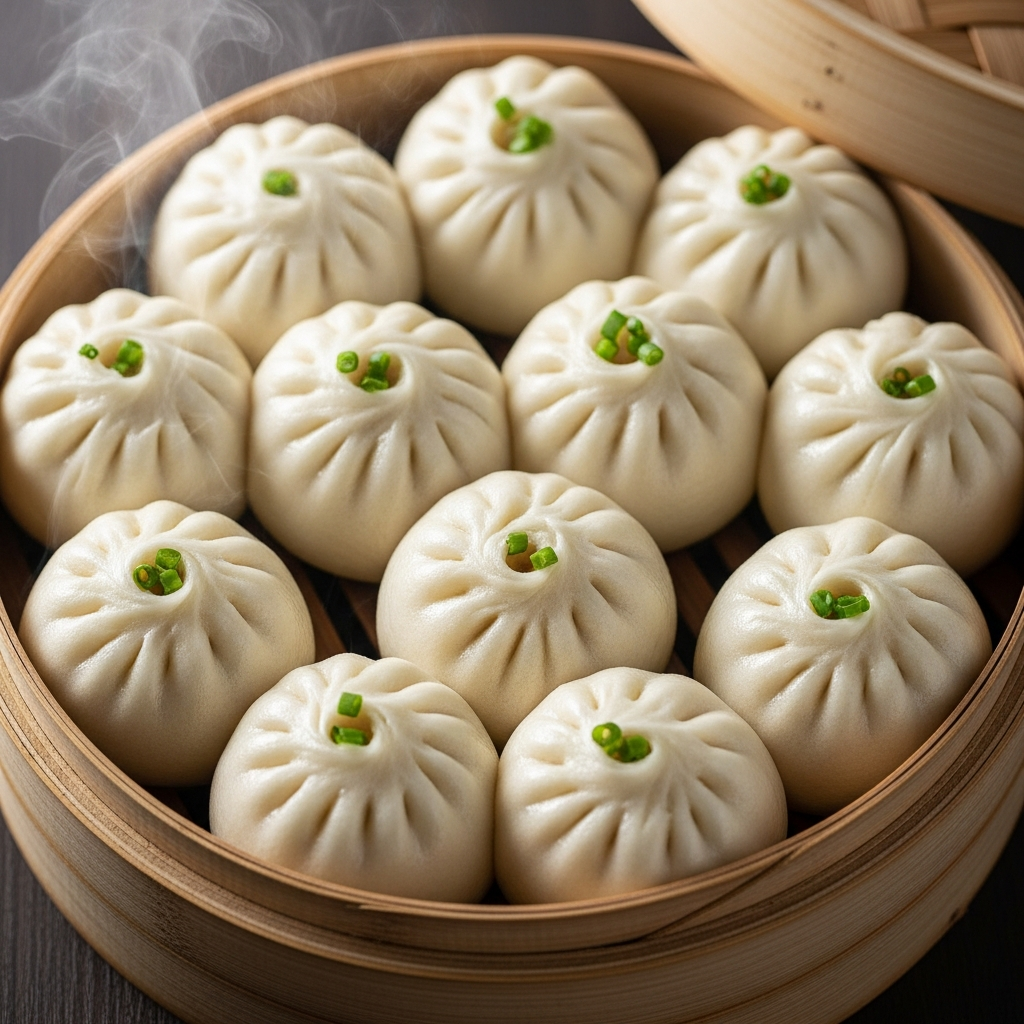
In the bustling streets of China, where ancient aromas dance through the air and every corner tells a story, one humble creation steals the spotlight with its tender embrace: the baozi. These soft, pillowy buns, steamed to perfection and bursting with vibrant fillings, have long been a beloved staple of Chinese cuisine. But beyond their simple appearance lies a rich tapestry of history, culture, and culinary artistry waiting to be unwrapped.Join us as we embark on a steamy journey into the heart of Chinese flavor, uncovering the secrets, traditions, and irresistible tastes behind the enchanting baozi.
Baozi Unwrapped: A Steamy Journey into Chinese Flavor
Baozi Unwrapped: A Steamy Journey into Chinese Flavor invites you to explore the delicate balance of dough and filling that makes customary Chinese baozi so irresistibly fluffy and flavorful. These little steamed buns have been a staple comfort food for centuries-each bite a harmonious blend of pillowy texture and savory or sweet surprises inside. From bustling street markets in Beijing to quaint family kitchens in sichuan, mastering the art of baozi unleashes a world of regional tastes and culinary secrets that you can recreate at home with confidence and joy.
Prep and Cook Time
- Planning: 30 minutes
- Proofing: 1 to 1.5 hours
- Steaming: 15-20 minutes
- total: Approximately 2 hours
Yield
Makes 12 medium-sized baozi
Difficulty Level
Medium – Perfect for adventurous home cooks ready to embrace traditional techniques.
Ingredients
- Dough:
- 3 cups all-purpose flour, sifted
- 1 cup warm water (110°F / 43°C)
- 2 tsp active dry yeast
- 2 tbsp sugar
- 1 tbsp vegetable oil
- 1/2 tsp salt
- Pork Filling:
- 1/2 lb ground pork (preferably with some fat)
- 2 scallions, finely chopped
- 1 tbsp ginger, minced
- 1 tbsp soy sauce
- 1 tbsp oyster sauce
- 1 tsp sesame oil
- 1/4 cup finely diced napa cabbage or bok choy, drained
- Salt and white pepper, to taste
Instructions
- Activate Yeast: Dissolve sugar in warm water in a small bowl. Sprinkle yeast on top and let it bloom for 5-7 minutes, until foamy and fragrant.
- Make Dough: In a large mixing bowl, combine sifted flour and salt. Slowly pour in the yeast water and vegetable oil while stirring with a wooden spoon until a rough dough forms.
- Knead Dough: Transfer dough to a floured surface and knead for 8-10 minutes until smooth and elastic. If it feels sticky, add flour sparingly. Place dough in a lightly oiled bowl, cover with a damp cloth, and let rise for 1 to 1.5 hours,until doubled in size.
- Prepare Filling: While dough is proofing, combine ground pork, scallions, ginger, soy sauce, oyster sauce, sesame oil, cabbage, salt, and white pepper in a bowl. Mix thoroughly until slightly tacky-this helps the filling bind and develop flavor.
- Divide Dough: Punch down the dough and transfer to a floured surface. Roll into a log and cut into 12 equal pieces (~1.5 oz each). Cover with a kitchen towel to prevent drying.
- Shape Baozi: Flatten each piece into a 4-inch round disc using a rolling pin, leaving the center slightly thicker. Place 1 tablespoon of filling in the center of each disc.Carefully pleat the dough edges upwards, pinching tightly to seal the bun neatly at the top.
- Final Proof: Place each shaped baozi on parchment squares inside a steamer basket,spacing them generously apart. cover and let rest for 15-20 minutes, allowing a second rise for the fluffiest texture.
- Steam to Perfection: Bring a wok or large pot of water to a boil, then reduce to medium-high steam. Position steamer baskets over boiling water-ensure water doesn’t touch buns. Cover and steam for 15-18 minutes. Avoid opening the lid during steaming to preserve texture.
- Rest and Serve: Turn off heat and let baozi rest in the steamer for 5 minutes before uncovering to prevent collapse. Serve warm with soy sauce, chili oil, or a simple vinegar dip.
Chef’s Notes: Tips for Success
- Perfect Dough Texture: The key to baozi’s signature fluffiness is a well-proofed dough with good gluten development. Be patient during kneading and proofing – this allows the dough to trap steam beautifully.
- Filling Variations: Explore regional flavors such as spicy Sichuan-style with chili bean paste or sweet red bean paste for dessert baozi. Vegetarians can substitute pork with shiitake mushrooms and tofu.
- Seal Carefully: A tight seal prevents juicy filling from leaking while steaming. Practice pleating and pinching technique by watching videos or practicing with smaller buns until yours become uniform.
- Make Ahead: Assemble baozi and freeze uncooked on baking sheets, then transfer to a freezer bag. Steam directly from frozen, adding extra steaming time (about 5 minutes).
- Steaming Equipment: Bamboo steamers impart a mild aroma to baozi and allow excellent steam circulation. Alternatively, use a metal steamer basket or heatproof colander over a pot.
Serving Suggestions
Baozi are best enjoyed fresh and steaming hot. Serve alongside a dipping trio of light soy sauce, black vinegar, and spicy chili oil to amplify the complex savory notes. Garnish with finely sliced scallions or fresh coriander to add brightness and color. Pair your baozi with a warm cup of jasmine tea or a fragrant Chinese pu’erh, replicating that authentic street food experience. For a festive touch, present them stacked on a layered bamboo steamer or rustic wooden platter with parchment paper for a visually irresistible spread.

Nutritional Information per Baozi
| Calories | Protein | Carbohydrates | fat |
|---|---|---|---|
| 210 kcal | 12 g | 26 g | 6 g |
For curious cooks eager to dive deeper into Chinese steamed delicacies, check out our Ultimate Guide to Dim Sum. To learn more about the engaging history and science behind yeast fermentation in dough, visit this informative article from Encyclopedia Britannica.
Q&A
Q&A: Baozi Unwrapped – A Steamy Journey into Chinese Flavor
Q1: What exactly is a baozi?
A: Baozi (包子) are fluffy,steamed buns originating from China,typically filled with savory or sweet ingredients. Think of them as edible pillows bursting with flavor, delivering a comforting bite that has warmed Chinese hearts for centuries.
Q2: How did baozi become such a staple in Chinese cuisine?
A: Baozi’s roots trace back to the Three Kingdoms period (220-280 AD), where legend credits Zhuge Liang for inventing these steamed buns as a clever substitute for human heads to appease enemies. Over time, their appetizing taste and portable nature turned them into an everyday favorite, from street stalls to imperial kitchens.
Q3: What are the classic fillings for baozi?
A: The most iconic baozi fillings include juicy pork with cabbage or chives, fragrant mushrooms, or a sweet red bean paste. Regional variations add their own twist-like spicy beef in Sichuan or seafood-infused versions along the coast-each bite telling a story of local ingredients and culture.
Q4: how are baozi different from other dumplings like jiaozi or mantou?
A: While all are beloved Chinese staples, baozi are distinguished by their soft, leavened dough and enclosed fillings, steamed to fluffy perfection. Jiaozi are typically unleavened,boiled or pan-fried,and have thinner skins,while mantou are plain steamed buns without any filling.
Q5: what makes the baozi dough so special?
A: The magic lies in its simplicity-a mix of flour, water, yeast, and a pinch of sugar that ferments and puffs up into a pillowy texture. The dough’s softness acts as a neutral canvas, allowing the vibrant fillings to shine with every bite.
Q6: Is baozi only a breakfast food?
A: Even though commonly enjoyed as a breakfast treat or snack,baozi’s versatility means it can be part of any meal.From street vendors serving early risers to family dinners across China, these buns transcend time and occasion.
Q7: Can baozi be made at home?
A: Absolutely! While crafting perfect baozi takes practice-mastering dough elasticity and folding techniques-the process is deeply rewarding. Homemade baozi invite creativity, from experimenting with fusion fillings to perfecting traditional recipes passed down through generations.
Q8: How has baozi influenced global cuisine?
A: Baozi’s global journey has inspired countless adaptations,from Korean steamed buns (hobbang) to Japanese nikuman and modern fusion creations in trendy eateries worldwide. Their universal appeal lies in the comforting warmth and satisfying chew that crosses cultural boundaries.
Q9: Where should a flavor adventurer start their baozi exploration?
A: Seek out authentic Chinese markets or specialized baozi shops that steam buns fresh daily. Don’t hesitate to try regional varieties-each offers a unique window into China’s diverse culinary landscape. And if you’re feeling bold, try making your own baozi adventure in the kitchen!
Q10: Why is baozi more than just food?
A: Baozi is a cultural symbol of warmth, community, and ingenuity. Sharing buns around a steamer basket creates connections, celebrating heritage and innovation with every delicious, steamy bite. It’s food that tells a story-and invites you to become part of it.
The Way Forward
As the last wisps of steam rise from a perfectly pleated baozi,we’re reminded that this humble bun is more than just a snack-it’s a vessel of history,culture,and culinary artistry.Whether filled with savory pork, vibrant vegetables, or sweet red bean paste, each baozi tells a story that stretches across time and regions. By unwrapping these delicate parcels, we unwrap a rich tapestry of Chinese flavor traditions, inviting us to savor not only their taste but also the heritage they carry. So next time you lift a baozi to your lips, remember: you’re not just biting into a bun-you’re partaking in a steamy journey that connects past and present, East and West, with every delicious bite.