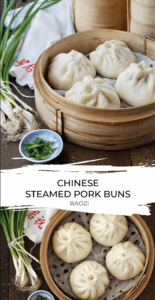

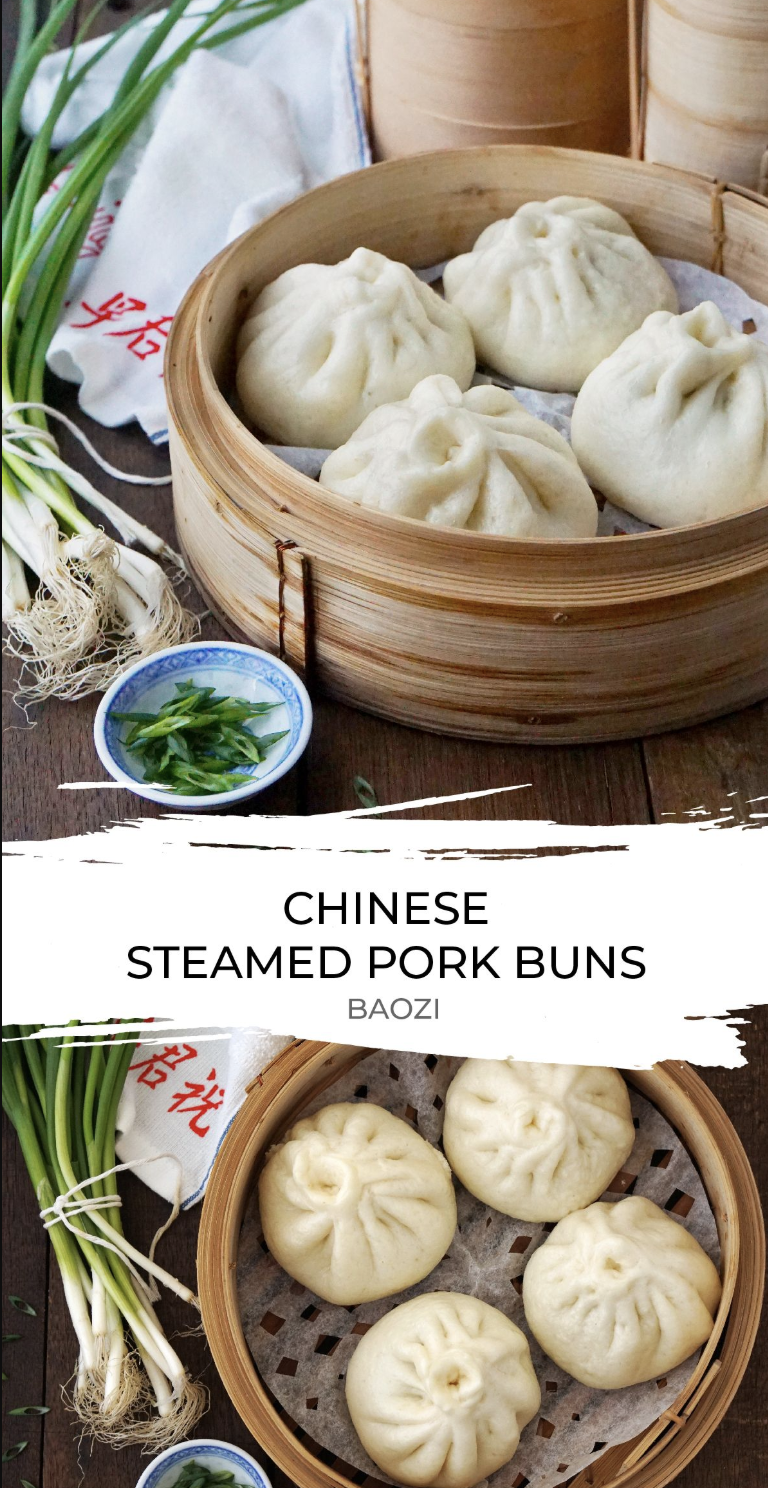
Steaming gently rises from baskets woven like stories of old, revealing a world where tradition meets tantalizing taste. Baozi-those soft, pillowy Chinese steamed buns-are more than just food; they are edible legends, wrapped in delicate dough and bursting wiht flavor. In “Baozi Unwrapped: The Art and Flavor of Chinese Steamed Buns,” we peel back the layers of this culinary icon to explore its rich history, meticulous craftsmanship, and the vibrant fillings that have captured the hearts and palates of millions. Join us as we journey through bustling street markets and serene tea houses, uncovering the secrets behind baozi’s enduring appeal and the cultural tapestry stitched within every bite.
Baozi Unwrapped reveals the exquisite journey of Chinese steamed buns, a culinary treasure beloved across centuries and cultures.These tender pockets of dough, meticulously crafted and filled with delicious ingredients, are more than just food-they’re a symbol of heritage, party, and comfort. Originating from the Han dynasty, baozi evolved as a versatile street food across China, embodying the artistry of dough mastery and regional flavors. My first encounter with baozi was on a misty morning in Chengdu, where steaming baskets unveiled fragrant morsels that melted delightfully in my mouth-an experiance so memorable, it’s the heart of this recipe.
Prep and Cook Time
- Preparation: 40 minutes
- Resting/Dough Proofing: 1 hour 30 minutes
- Cooking (Steaming): 15 minutes
- Total Time: 2 hours 25 minutes
Yield
Makes approximately 16 fluffy baozi
difficulty Level
Medium: Requires patience for dough proofing and shaping, but fully approachable with step-by-step guidance.
Ingredients
- For the dough:
- 3 cups all-purpose flour, sifted
- 2 teaspoons instant dry yeast
- 2 tablespoons sugar
- 1 teaspoon baking powder
- 1 cup warm water (110°F/43°C)
- 2 tablespoons vegetable oil
- Traditional pork filling:
- 1/2 lb (225g) ground pork, preferably fatty
- 3 scallions, finely chopped
- 1 tablespoon soy sauce
- 1 tablespoon oyster sauce
- 1/2 teaspoon sesame oil
- 1 teaspoon freshly grated ginger
- 1 clove garlic, minced
- 1/4 teaspoon ground white pepper
- 1 tablespoon cornstarch
- optional modern fillings: sautéed shiitake mushrooms, minced tofu with hoisin, or sweet red bean paste for dessert baozi
Instructions
- Activate the yeast: In a small bowl, dissolve sugar in warm water. Sprinkle yeast on top and let bloom for 5-10 minutes until bubbly.
- Prepare the dough: In a large mixing bowl, combine flour and baking powder. Pour in the yeast mixture and vegetable oil. Stir with a wooden spoon until a shaggy dough forms.
- Knead for softness: Turn dough onto a floured surface. Knead vigorously for 10 minutes until smooth and elastic. This step is essential to achieve the characteristic fluffy texture.
- First proof: Place the dough ball in an oiled bowl, cover with a damp cloth, and let it rise in a warm place for 1 hour or until doubled in size.
- Prepare filling: In a bowl, combine ground pork, scallions, soy sauce, oyster sauce, sesame oil, ginger, garlic, white pepper, and cornstarch. Mix until sticky and well integrated for juicy filling.
- Shape the buns: Punch down the dough and divide into 16 equal portions. Roll each piece into a 4-inch circle, thick in the center and thinner at edges.
- fill and seal: Place 1 tablespoon of filling in the center of each dough circle. Gather edges and pleat the dough, twisting at the top to seal entirely.
- Second proof: Arrange buns on parchment squares in a bamboo steamer basket,leaving space to expand. Cover and let rise 20 minutes.
- Steam to perfection: Fill a wok or pot with water and bring to a gentle boil. Place the steamer basket over the pot. Cover and steam for 15 minutes. Turn off heat and let buns rest 5 minutes before opening steamer to prevent collapse.
- Serve warm: Transfer to a serving platter and garnish with fresh sliced scallions or a drizzle of chili oil if desired.
Tips for Success
- Dough texture: Use warm water (not hot) to activate yeast without killing it.Knead long enough to develop gluten strength, ensuring soft, springy buns.
- Filling moisture: Mix pork filling until slightly sticky; the cornstarch helps bind juices and prevents sogginess in the bun.
- Steaming: Don’t rush! Proper steam and gentle heat guarantee the signature fluffy, pillowy baozi texture.
- Make-ahead: Shi find it handy to freeze shaped buns on parchment before proofing. When ready, thaw and steam directly.
- Experiment: Try plant-based fillers like spiced jackfruit or savory kale and tofu for a modern twist on tradition.
Serving Suggestions
Present baozi hot from the steamer, crisp white and puffy. Offer alongside a selection of dipping sauces-soy, black vinegar with ginger strips, or chili oil-to elevate each bite. For a splash of color and freshness, sprinkle chopped scallions or coriander over the bun platter. Pair with warm jasmine tea or a light broth soup for a comforting meal experience.

| Nutrient | Per Baozi |
|---|---|
| Calories | 140 kcal |
| Protein | 7 g |
| Carbohydrates | 18 g |
| Fat | 4 g |
For an authoritative dive into the art of steamed buns and their cultural resonance, visit China Highlights’ complete baozi guide. Unlock the secrets of dough mastery and savory fillings right in your kitchen and savor the essence of Chinese culinary craftsmanship with every bite of these delicate steamed buns.
Q&A
Q&A: Baozi Unwrapped – The Art and Flavor of Chinese Steamed Buns
Q1: What exactly is a baozi?
A: Baozi, frequently enough simply called “bao,” are soft, fluffy steamed buns that cradle a delicious filling inside. Originating from China, they’re a beloved staple that can be sweet or savory, ranging from juicy pork and aromatic vegetables to sweet red bean paste. Think of them as edible little pillows bursting with flavor.
Q2: How did baozi become such an iconic part of Chinese cuisine?
A: Baozi have a rich history that dates back over a thousand years. Legend attributes their creation to Zhuge Liang,a famed military strategist of the Three Kingdoms era,who designed them as a clever substitute for human heads as offerings. Over centuries, baozi evolved from ritual food to everyday comfort, beloved by all walks of life – from street vendors to imperial courts.
Q3: What makes baozi different from other steamed buns or dumplings?
A: While all may seem similar, baozi stand apart thanks to their airy, slightly chewy dough and generous fillings. Unlike smaller, thinner-skinned dumplings like jiaozi, baozi’s thicker dough creates a satisfying bite that perfectly balances with the moist, frequently enough juicy center. their size and fluffiness make them ideal hand-held snacks or full meals.Q4: what are the key ingredients in baozi dough and filling?
A: The dough is deceptively simple: primarily flour, water, yeast, and a touch of sugar to enhance fermentation and create that soft, pillowy texture.Fillings are where creativity shines-ground pork with ginger and scallions, braised mushrooms with tofu, or sweet red bean paste, to name a few. Regional twists abound, reflecting local tastes and seasonal ingredients.
Q5: How do you perfect the art of folding baozi?
A: folding baozi is where craftsmanship meets creativity.The classic pleated bun involves carefully wrapping the filling with dough and pinching it together to form elegant, swirling folds on top-a signature look that seals in the juices. This technique requires practice, a gentle touch, and patience, but it’s part of the joy that elevates bao-making from cooking to art.
Q6: Why is steaming the preferred cooking method for baozi?
A: Steaming preserves the bao’s soft texture while cooking the filling evenly and keeping it moist. Unlike frying or baking, steaming uses gentle heat and abundant moisture, resulting in buns that are tender on the outside and juicy inside. Plus, it’s a healthier option that highlights the natural flavors without added fats.
Q7: Can baozi be enjoyed beyond traditional breakfast or street food?
A: Absolutely! While baozi are frequently enough breakfast staples or speedy snacks, their versatility means they can star at any meal. Modern chefs are reinventing baozi with gourmet fillings and inventive presentations, bringing this humble bun into fine dining, fusion cuisine, and even dessert menus around the world.Q8: How can someone new to chinese cuisine start exploring baozi?
A: Start with classic flavors like pork and cabbage or chicken with mushrooms from a trusted dim sum or street vendor. Experiment with dipping sauces like soy-vinegar or chili oil to enhance the experience. Then, dive deeper into regional varieties-try sweet soupy xiaolongbao or spicy Sichuan-style versions to appreciate the breadth of baozi culture.
Q9: What cultural significance do baozi hold in China today?
A: Baozi remain an enduring symbol of comfort, family, and tradition. Many Chinese families prepare homemade baozi for festivals and gatherings, using the process as a way to connect generations. Beyond food, baozi embody warmth and hospitality, inviting all to share in a taste of Chinese heritage.
Q10: Where can one learn to make authentic baozi at home?
A: The journey begins with mastering the dough and understanding fermentation dynamics. Numerous cooking classes-both online and in person-guide you through the steps, from kneading and filling to steaming. Immersing yourself in tutorials and practicing your folding skills unlocks not just recipes,but the soul of this timeless culinary treasure.
Unwrapping the baozi is like peeling back layers of Chinese culture itself – simple on the outside, rich and complex within. Whether your savoring one fresh off the steamer or crafting your own, baozi offer a delicious pathway to experience tradition, artistry, and flavor in a single bite.
To conclude
As the delicate steam settles and the last bite of a perfectly crafted baozi melts away, we are reminded that these humble buns are much more than mere food-they are edible stories woven from centuries of culture, craftsmanship, and flavor.Baozi beckon us to slow down, unwrap their secrets, and savor the artistry hidden within each fold. Whether enjoyed as a quick street-side snack or a centerpiece of a celebratory feast, they continue to bridge tradition and innovation, inviting palates worldwide to experience a bite of China’s rich culinary heritage. So next time you lift a warm, pillowy bao, remember: you’re not just tasting a bun-you’re unfolding history itself.