
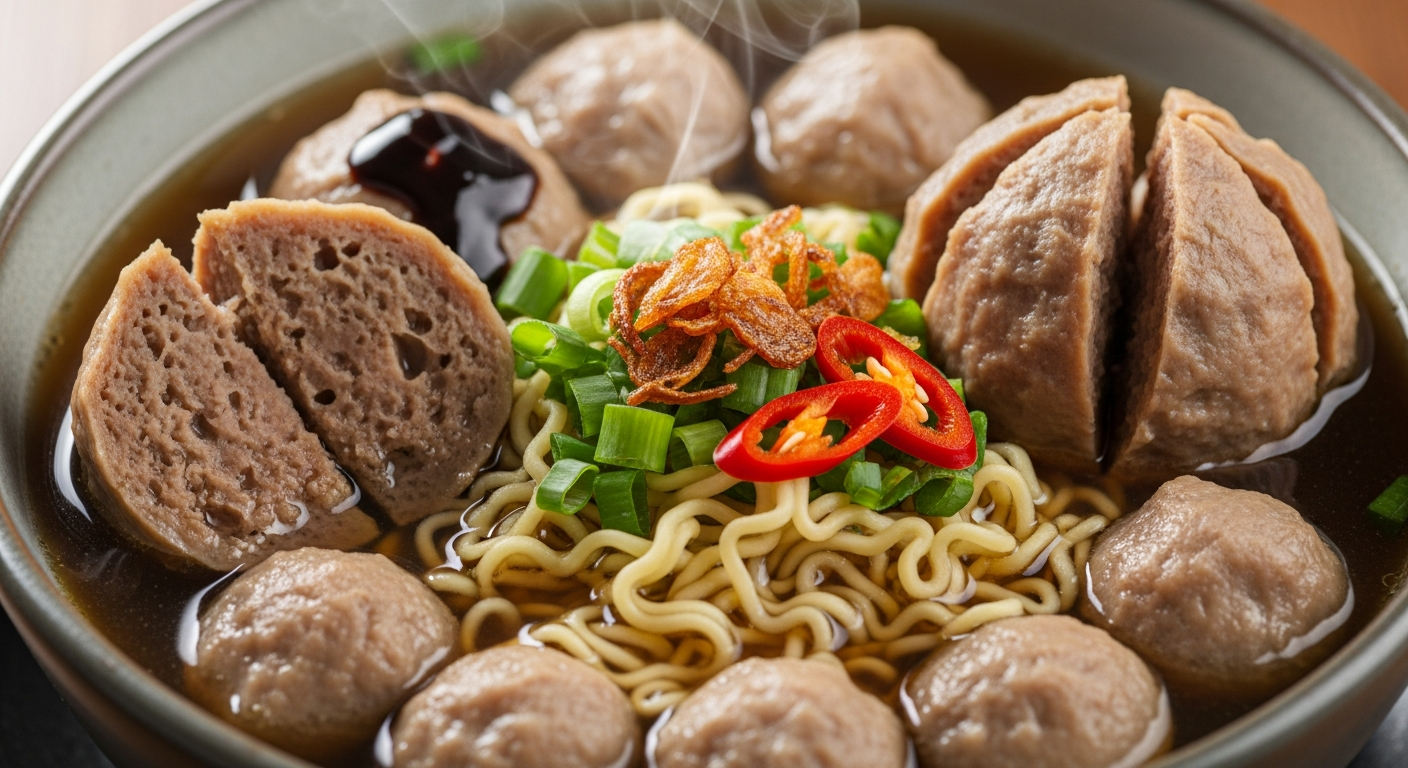
In teh bustling streets of Indonesia,amidst a symphony of sizzling woks and fragrant spices,lies a culinary treasure that has captivated taste buds for generations: bakso. This humble meatball,often steeped in rich broth and served with an array of delightful accompaniments,is far more than just a street food staple-it is a flavorful emblem of Indonesian culture and heritage. “Bakso Unveiled: Indonesia’s Savory Meatball Delight Explored” takes you on a savory journey through the origins, variations, and cultural significance of this beloved dish, revealing the stories and flavors that make bakso a cherished comfort food across the archipelago and beyond. Weather you’re a seasoned foodie or a curious newcomer, prepare to discover the irresistible charm behind Indonesia’s iconic meatball.
Exploring the Unique Ingredients and Customary Preparation Methods of Bakso
Bakso Unveiled is more than a simple recipe; it’s a party of Indonesia’s culinary heritage that transforms humble ingredients into a comforting, mouthwatering experience. Originating centuries ago, bakso’s roots trace back to Chinese influences, later evolving with local flavors and techniques. This savory meatball delight has become an iconic street food cherished nationwide, known for its springy texture and the rich, aromatic broth that cradles each perfectly shaped ball.
The magic of bakso lies in the unique combination of finely ground beef or chicken, tapioca starch for that signature bounce, and a blend of traditional spices like white pepper and garlic.Preparing bakso requires patience and precision, especially during the grinding and kneading stages, to achieve the ideal tenderness and chewiness that bakso enthusiasts crave.
Prep and Cook Time
- Preparation: 45 minutes
- Cooking: 30 minutes
- Total Time: 1 hour 15 minutes
Yield
- Serves 4-6 people
Difficulty Level
- Medium - Requires some hands-on preparation and technique
Ingredients
- 500g lean beef mince (or a 50/50 mix of beef and chicken for lighter bakso)
- 100g tapioca starch (for the perfect springy texture)
- 3 cloves garlic, minced
- 1 medium shallot, finely chopped
- 1 tsp white pepper powder
- 1 tsp salt
- 1 tsp baking powder (optional, to enhance fluffiness)
- 100ml ice-cold water
- 2 liters beef broth, homemade or high-quality store-bought
- 3 stalks green onion, chopped for garnish
- Fried shallots, for garnish
- 2 tbsp sweet soy sauce (kecap manis), optional
- Rice vermicelli or egg noodles, cooked (optional, for serving)
Instructions
- Prepare the Meat Mixture: In a food processor or with a meat grinder, pulse the beef mince, garlic, and shallot until finely ground and smooth. This step ensures an ultra-fine texture crucial for authentic bakso.
- Combine Ingredients: Transfer the ground mixture to a large bowl. add the tapioca starch, white pepper, salt, baking powder, and ice-cold water.Knead everything together thoroughly by hand or with a stand mixer fitted with a dough hook. The mixture should form a slightly sticky, elastic dough; keep it cold as warmth can affect the texture.
- Shape the Meatballs: With wet hands, pinch off portions of the dough and roll into smooth balls about 3-4 cm in diameter. A small trick is to drop one ball into boiling water to test the texture - it should float and have a firm yet springy bite.
- Cook the Meatballs: In a large pot, bring the beef broth to a gentle boil. Add the bakso balls and cook until they float to the surface,then simmer for an additional 5 minutes to ensure they’re cooked through.
- Prepare the Soup Base: While the bakso cooks, you can add sliced garlic or peppercorns to the broth for extra aroma.Adjust seasoning with salt or a splash of soy sauce to taste.
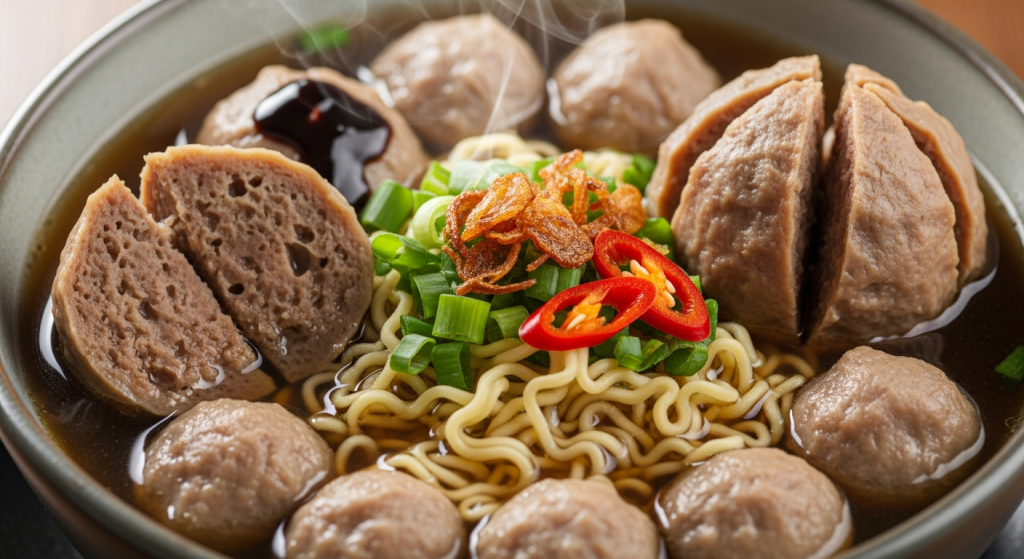
- Serve: Place cooked bakso in deep bowls; ladle hot broth over them. Garnish with chopped green onions, fried shallots, and a drizzle of sweet soy sauce.Serve alongside steamed rice noodles or vermicelli and fresh greens like kangkung or bean sprouts for a classic presentation.
Chef’s Notes & tips for success
- Ingredient Quality Matters: Use fresh,lean beef for the best flavor and texture. Avoid fatty cuts to prevent greasiness.
- Keep It Cold: Cold water and chilled mixing bowls help maintain the firm texture of bakso, preventing it from becoming mushy.
- Grinding Twice: For ultra-smooth bakso, grind the meat twice or pulse longer in a food processor.
- Test the Dough: Always test-cook one meatball first to adjust seasoning or texture before shaping the entire batch.
- Freezing: You can pre-shape bakso balls and freeze them before cooking. Just cook them directly from frozen by adding a few extra minutes to the simmer time.
- Make it Your Own: Try mixing in minced shrimp or adding a dash of nutmeg for a regional flavor twist.
Serving Suggestions
For the fullest bakso experience, serve the meatballs hot in a clear broth alongside steamed rice noodles, fresh bean sprouts, and crunchy fried shallots. Complement with sambal (Indonesian chili paste) on the side for those who want a spicy kick. Fresh sliced cucumbers and boiled eggs are classic accompaniments that introduce crisp and creamy textures. Garnish generously with chopped scallions and cilantro to elevate the aroma and color - a feast for both eyes and palate.Don’t forget a squeeze of lime to brighten the rich, savory broth before digging in.

| Nutrient | Per Serving |
|---|---|
| Calories | 280 kcal |
| Protein | 28 g |
| carbohydrates | 15 g |
| Fat | 8 g |
Discover more about Indonesian street food culture in our Indonesian Street Food Guide.If you want to dive deeper into the science of meatball textures and Asian meatball traditions, see this excellent resource at Serious eats.
Q&A
Q&A: Bakso Unveiled – Indonesia’s Savory Meatball Delight explored
Q1: What exactly is Bakso?
A1: Bakso is Indonesia’s iconic savory meatball, beloved across the archipelago. Made primarily from finely ground beef (or sometiems chicken, fish, or even shrimp), mixed with tapioca flour, garlic, and a secret blend of spices, these meatballs boast a unique springy texture and juicy flavor that’s unlike any western meatball.
Q2: How did Bakso become so popular in Indonesia?
A2: Bakso’s popularity traces back to Chinese immigrants who introduced meatballs to Indonesia centuries ago. Over time, Indonesians infused local flavors and cooking techniques, transforming Bakso into a versatile street food phenomenon. Today, it’s found in humble street carts, bustling warungs, and upscale restaurants alike-an everyday comfort food that transcends social boundaries.
Q3: What makes Bakso different from other meatballs around the world?
A3: Unlike the dense Italian or Swedish meatballs, Bakso is renowned for its bouncy, almost chewy texture, achieved through a meticulous blending and pounding of the meat mixture.The broth it’s served in also plays a starring role – a clear, fragrant beef broth often garnished with fried shallots, spring onions, and sometimes tofu or noodles, elevating the humble meatball into a soulful bowl of comfort.
Q4: How is Bakso typically served?
A4: A classic Bakso dish is served steaming hot in a savory beef broth, accompanied by yellow noodles or vermicelli, boiled eggs, fried tofu, and crispy wontons. Some variations even include a side of sambal chili sauce for an added kick. This medley creates a delightful balance of flavors and textures-a true Indonesian culinary embrace.
Q5: Are there regional variations of bakso in Indonesia?
A5: Absolutely! From “Bakso Malang” in East Java, often served with tofu and crispy wontons, to “Bakso Solo” in Central Java, which features a sweeter broth and different noodle types, regional spins are abundant.Some cities boast enormous Bakso, stuffed with quail eggs or cheese, turning each bite into an unexpected surprise.
Q6: Can Bakso be enjoyed by vegetarians or those with dietary restrictions?
A6: Traditional Bakso is meat-based, but with Indonesia’s growing culinary creativity, vegetarian bakso versions made from mushrooms, tofu, or tempeh are emerging. These plant-based meatballs mimic the texture and flavor profile, allowing more people to savor this beloved dish without compromising dietary choices.
Q7: Where can a traveler best experience authentic Bakso in Indonesia?
A7: For the ultimate Bakso experience, street vendors in Jakarta, Bandung, and Surabaya are gold mines. Each vendor’s broth and spice blend offers a unique interpretation. Don’t miss visiting small local warungs or famed Bakso stalls-where the aroma alone promises a journey into Indonesia’s heart and soul through every bite.
Q8: Why has Bakso become such a cultural icon in Indonesia?
A8: beyond its delicious taste, Bakso symbolizes community and comfort. It’s a dish that brings people together-from bustling markets to family dinners-reflecting Indonesia’s vibrant diversity and warmth. Celebrated in festivals,street food tours,and even pop culture,Bakso embodies resilience and joy,making it more than just meatballs-it’s a savory piece of Indonesian identity.
This Q&A offers a flavorful glimpse into Bakso, inviting readers to savor Indonesia’s savory meatball delight with curiosity and appreciation.
In Retrospect
From bustling street corners to cozy family kitchens, bakso stands as a savory symbol of Indonesia’s rich culinary tapestry. This humble meatball, with its tender texture and flavorful broth, offers more than just a meal-it tells a story of tradition, community, and innovation. As we’ve peeled back the layers of bakso’s history and ingredients, we discover a dish that continues to evolve while honoring its roots. Whether you savor it steaming hot with noodles or enjoy it as a quick snack on the go,bakso remains a delicious invitation to experience Indonesia’s vibrant food culture,one bite at a time.