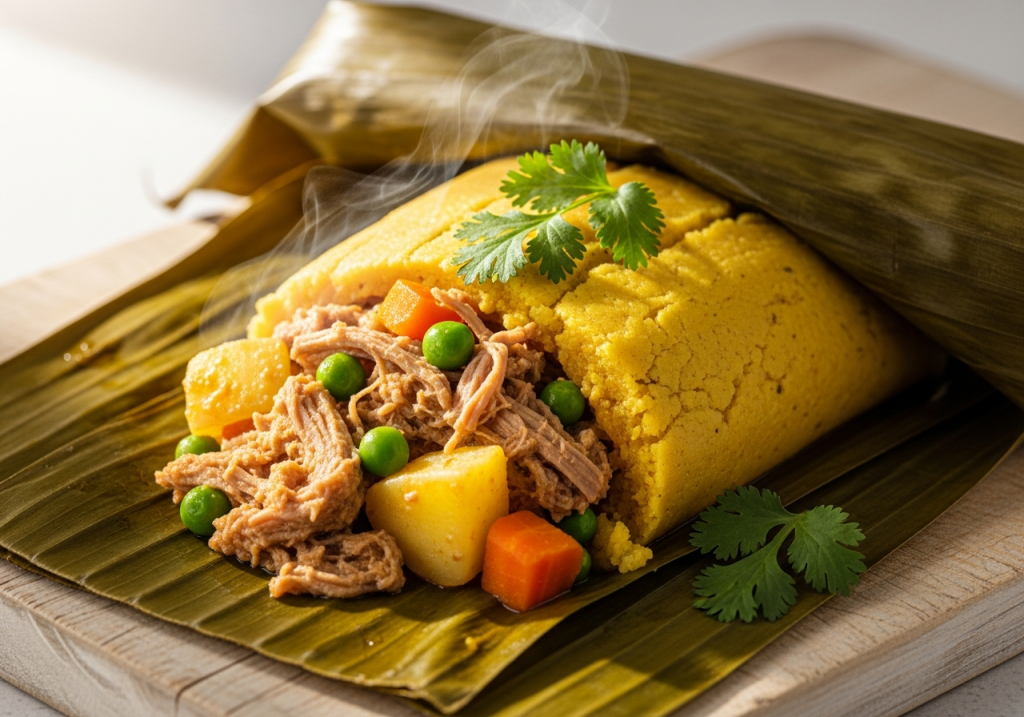

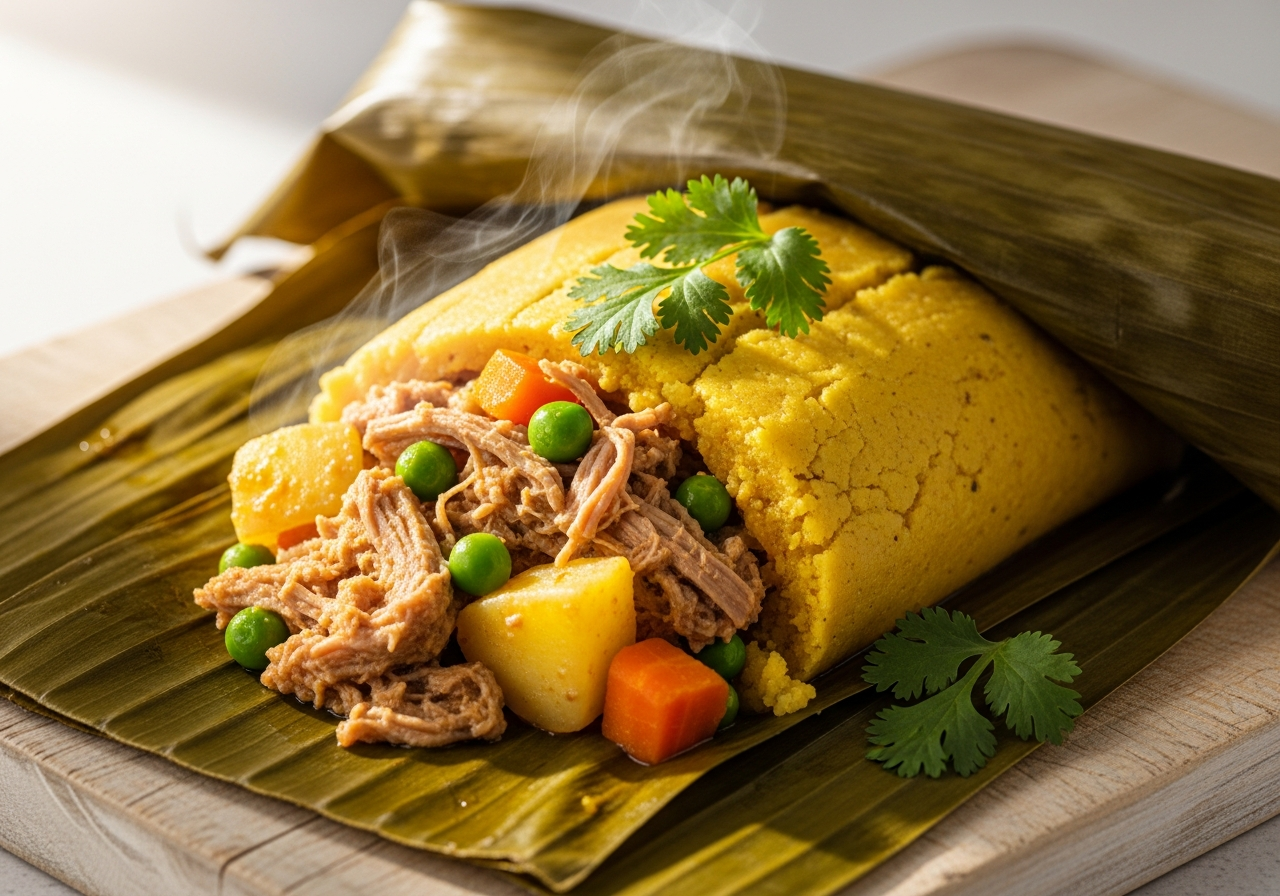
Hidden within the vibrant heart of Colombia’s Antioquia region lies a culinary treasure that has warmed countless tables for generations: the authentic Antioquian tamale. More than just a dish, this tamale embodies the rich tapestry of culture, history, and tradition woven into every carefully folded banana leaf. In this article, we unveil the secrets behind crafting an authentic Antioquian Colombian tamale-a savory masterpiece that balances hearty ingredients and time-honored techniques. Whether you’re a seasoned cook or a curious food adventurer,prepare to embark on a flavorful journey that celebrates the soul of Antioquia,one tamale at a time.
authentic Antioquian Colombian Tamales Recipe Unveiled
Authentic Antioquian Colombian tamales capture the heart of Colombia’s vibrant culinary heritage,weaving together rich history,bold spices,and time-honored traditions.This beloved dish, hailing from the Antioquia region, is more than just food-it’s a festive symbol of community and warmth, often prepared in large family gatherings where stories flavor the steam rising from the wrapped tamales. as you embark on this cooking journey, you’ll uncover not only the secrets of its essential ingredients but also techniques that deliver tamales bursting with authentic flavor and tender texture that melts in your mouth.
Prep and Cook Time
- Planning: 45 minutes
- Cooking: 2 hours
- Total time: 2 hours 45 minutes
Yield
Approximately 8 hearty tamales
Difficulty Level
Intermediate – Perfect for keen home cooks ready to embrace customary methods.
Ingredients
- 4 cups masa harina (corn dough)
- 1 ½ pounds pork shoulder, cut into 1-inch cubes
- 8 slices bacon or pork belly, diced
- 1 cup cooked peas (green peas preferred)
- 2 cups chicken broth
- 3 large red bell peppers, roasted and sliced thin
- 2 cups cooked potatoes, peeled and cubed
- 1 cup chopped onions
- 4 cloves garlic, minced
- 2 teaspoons ground cumin
- 1 teaspoon ground achiote (annatto) for color and subtle earthiness
- 1 teaspoon dried oregano
- 2 tbsp salt, adjust to taste
- ½ teaspoon freshly ground black pepper
- Banana leaves or corn husks, soaked and cleaned for wrapping
- 2 tbsp vegetable oil or pork fat (manteca)
Instructions
- Marinate the pork: In a large bowl, combine pork cubes with minced garlic, cumin, oregano, black pepper, and 1 tablespoon salt. Cover and refrigerate at least 2 hours, preferably overnight for deep flavor infusion.
- Prepare the masa dough: In a large mixing bowl,gradually add warm chicken broth to the masa harina. Knead with your hands until a soft, pliable dough forms. Add vegetable oil or pork fat to enrich the masa and season with remaining salt.
- Sauté the bacon and onions: Heat a skillet over medium heat,cook diced bacon until crisp. Add onions and cook until softened and golden, about 5 minutes. Remove from heat and let cool slightly.
- blend the achiote: Mix ground achiote with a little warm broth. Stir into the masa dough to incorporate a vibrant reddish hue and authentic flavor.
- Assemble the tamales: Lay a softened banana leaf or corn husk flat. Spread a generous spoonful of masa dough in the centre,about ¼-inch thick. Layer marinated pork, bacon-onion mix, roasted bell peppers, peas, and seasoned potatoes on top. cover with another light layer of masa, folding the edges neatly to enclose the filling.
- Wrap securely: Fold leaf or husk tightly and tie with kitchen twine or strips of banana leaf to keep tamales intact during steaming.
- Steam the tamales: Arrange tamales upright in a steamer basket over boiling water. Cover and steam for 2 hours, ensuring water doesn’t dry out-add more boiling water as needed.
- Check for doneness: Tamales are ready when the masa is firm and easily pulls from the leaf. Let them cool slightly before unwrapping to preserve moisture and flavor.
Tips for Success: Chef’s Notes
- Banana leaves impart subtle smokiness and are key for traditional flavor,but if unavailable,soaked corn husks work well as a substitute.
- Maintain moisture: Keep an eye on the water level while steaming. Using a tightly sealed pot helps trap steam and guarantees tender tamales.
- Customize fillings: For a vegetarian twist, omit pork and add mushrooms, carrots, and chickpeas for texture and protein.
- Make-ahead: Prepare tamales a day in advance and refrigerate them wrapped. Re-steam gently before serving for fresh warmth.
- Masa texture: the dough should feel soft yet firm enough to hold its shape. Adjust broth amount gradually during mixing.
Serving Suggestions
Serve thes Authentic Antioquian Colombian tamales warm with a side of hogao sauce, a vibrant Tomatillo salsa, or avocado slices. A sprinkle of fresh cilantro and a wedge of lime add brightness to the plate. Pair with hearty black beans or a simple green salad for a balanced, festive meal. Tamales are perfect for sharing-unwrap them with loved ones and enjoy the rich aromas and comforting tastes that bring Colombian tradition to life.

| Nutrient | Per Serving |
|---|---|
| Calories | 420 kcal |
| Protein | 28 g |
| carbohydrates | 33 g |
| Fat | 18 g |
For more colombian cooking treasures, explore our collection of classic colombian stews and traditional recipes. Dive deeper into Latin American flavors at FAO’s Food and Agriculture Organization for inspiring insights on regional cuisines worldwide.
Q&A
Q&A: Authentic Antioquian Colombian Tamales Recipe Unveiled
Q1: What makes Antioquian tamales different from other Colombian tamales?
A1: Antioquian tamales stand out for their rich blend of flavors and hearty ingredients, reflecting the vibrant culinary traditions of Colombia’s Antioquia region.Unlike some milder varieties, Antioquian tamales pack a savory punch with a combination of pork, chicken, vegetables, peas, and distinctive spices, all lovingly wrapped in plantain leaves.Their robust texture and aromatic complexity bring to life the soul of Antioquia’s festive kitchen.
Q2: What are the key ingredients in an authentic Antioquian tamale?
A2: at the heart of Antioquian tamales is a lovingly prepared corn dough (masa), infused with pork broth to deepen its flavor. The filling typically includes tender pork and chicken,carrots,potatoes,green peas,capers,and sometimes olives,giving a subtle briny contrast. Everything is wrapped tightly in fragrant plantain leaves,which impart a unique aroma and keep the tamales moist during steaming.
Q3: Why use plantain leaves instead of corn husks?
A3: Plantain leaves are the traditional wrapping in Antioquia because they add a subtle, earthy fragrance that harmonizes beautifully with the fillings. Unlike corn husks, plantain leaves are thicker and more durable, helping the tamales steam evenly and remain juicy. They also reflect the tropical bounty of the region, making them an essential authenticity marker.
Q4: How long does it typically take to prepare Antioquian tamales?
A4: Crafting authentic Antioquian tamales is a labor of love that may take several hours. Preparing the masa, seasoning the meat, assembling the tamales, wrapping them carefully in plantain leaves, and finally steaming them can stretch a whole afternoon. This lengthy process enriches the depth of flavors and is often a cherished family ritual passed down through generations.
Q5: Can Antioquian tamales be made ahead and frozen?
A5: Absolutely! Once assembled and cooled,Antioquian tamales freeze beautifully,making them a perfect make-ahead meal. When ready to enjoy, just steam them gently until heated through to revive that fresh, tender texture and aromatic bliss.Freezing tamales is a practical way to savor traditional Colombian comfort food anytime.
Q6: What beverages traditionally accompany Antioquian tamales?
A6: These hearty tamales traditionally pair wonderfully with hot chocolate or a warm cup of Colombian coffee, balancing the savory richness with comforting warmth. During festive occasions, a refreshing glass of aguapanela (a sweet drink made from panela and lime) often complements the meal, enlivening the palate with its citrusy sweetness.
Q7: Are Antioquian tamales vegetarian-pleasant?
A7: Traditional Antioquian tamales are meat-centric, but you can create a vegetarian version by swapping meats for hearty mushrooms, assorted vegetables, and perhaps some beans, while keeping the authentic masa and plantain leaf wrapping. this adaptation respects the tamale’s essence while welcoming plant-based diners.
Q8: What is the cultural significance of tamales in Antioquia?
A8: Tamales are more than just food in Antioquia-they are a symbol of community and festivity. Often prepared during holidays, family gatherings, and special occasions, making tamales is a communal event that brings loved ones together. The recipe itself is a culinary heirloom, embodying Antioquian identity, history, and a deep love for flavor.
Q9: where can one find authentic plantain leaves for making tamales?
A9: Authentic plantain leaves can be sourced at Latin American grocery stores,specialty markets,or fresh from local farmers’ markets in tropical regions. If fresh leaves aren’t available,frozen or commercially packaged leaves can be gently thawed and used,though fresh is always preferable for that vibrant aroma and pliability.
Q10: What’s the best tip for wrapping tamales so they don’t leak during cooking?
A10: The secret is a snug, secure fold! After spooning the masa and filling onto the softened plantain leaf, fold the leaf tightly around the filling, then fold or tie the ends to prevent steam from escaping. Using kitchen twine or strips of plantain leaf to tie tamales can help maintain their shape and keep all that delicious filling inside during steaming.
Unlocking the secrets of Antioquian tamales invites you into a world where tradition steams in every leaf and history blends with flavor. Ready your wrapping leaves-the tamale adventure awaits!
In retrospect
As the fragrant aroma of the Antioquian tamales fills your kitchen, you’re not just cooking a meal – you’re breathing life into a cherished Colombian tradition that has been lovingly passed down through generations.This authentic recipe invites you to savor the vibrant flavors, the careful craftsmanship, and the cultural heritage woven into every bite.Whether you’re sharing them with family or delighting friends, these tamales are more than food; they’re a flavorful story waiting to be told.So roll up your sleeves, embrace the process, and let this timeless dish transport you straight to the heart of Antioquia. Buen provecho!