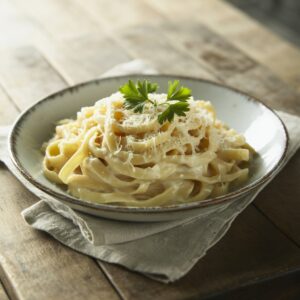

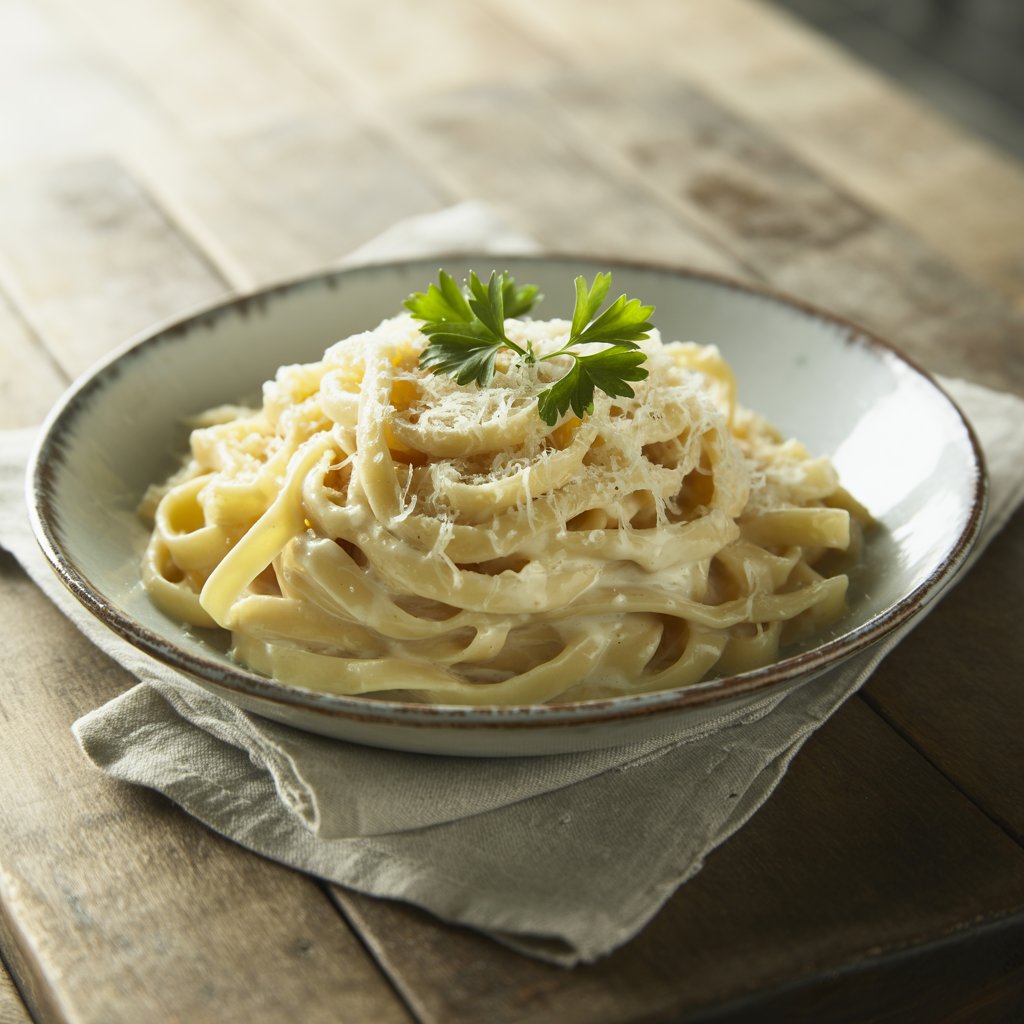
There’s a reason alfredo sauce has become a beloved staple in kitchens around the world: its irresistibly creamy texture and rich, buttery flavor transform simple pasta into an indulgent experience. But beyond its luscious taste lies a engaging story and an artful culinary tradition that dates back over a century. In this exploration, we peel back the layers of Alfredo sauce-uncovering its origins, the secrets behind its velvety consistency, and tips to master this classic delight in your own cooking. Whether you’re a seasoned chef or a curious home cook, get ready to dive into the creamy world of Alfredo and elevate your dishes to a whole new level of comfort and elegance.
Alfredo Sauce Uncovered: Creamy classic Cooking Delight
Alfredo sauce uncovered reveals the sumptuous simplicity behind one of Italy’s most beloved creamy pasta accompaniments. Originating from Rome in the early 20th century, this velvety sauce was born from a humble combination of butter, Parmesan cheese, and pasta water-crafted to celebrate pure, rich flavor without the complexity of cream or flour. Today, its evolution spans kitchens worldwide, inviting countless variations that elevate its classic essence while maintaining that unmistakable silky texture. Whether you’re a seasoned chef or a home cook eager to master the perfect Alfredo, this recipe will guide you through every step and inspire your creativity in the kitchen.
Prep and Cook Time
- Preparation: 10 minutes
- Cooking: 12 minutes
- Total Time: 22 minutes
Yield
Serves 4 generous portions
Difficulty Level
Easy - Perfect for beginners aiming for creamy Italian comfort food
Ingredients
- 12 oz fettuccine pasta, cooked al dente
- 1 cup unsalted butter (2 sticks), cubed
- 2 cups freshly grated Parmigiano-Reggiano cheese
- 1 cup reserved pasta cooking water, hot
- 1 teaspoon freshly cracked black pepper
- 1/2 teaspoon fine sea salt, or to taste
- 2 cloves garlic, finely minced (optional, for a subtle aroma)
- Fresh parsley, chopped for garnish
Instructions
- Cook the pasta: Bring a large pot of salted water to a boil. Add fettuccine and cook until al dente according to package instructions (usually 10-12 minutes). Reserve 1 cup of the starchy pasta water and drain the pasta.
- Prepare the base: In a large skillet over medium heat, melt the butter slowly. Add minced garlic if using, and sauté until fragrant but not browned (~1 minute).
- Create the creamy sauce: Slowly pour in the reserved pasta water, stirring constantly to emulsify the butter and water into a golden, creamy base.
- Add the cheese: Remove the skillet from heat and promptly stir in the freshly grated Parmigiano-Reggiano, mixing vigorously to prevent clumping and create that luscious, smooth texture.
- Season and combine: Add sea salt and cracked black pepper to taste. Return skillet to very low heat if necessary to gently warm (avoid boiling). Toss the cooked fettuccine in the sauce until well coated.
- Serve promptly: Plate the pasta, garnishing with extra grated cheese and chopped fresh parsley for a pop of color and freshness.
Tips for Success
- Use freshly grated Parmigiano-Reggiano: Pre-grated cheese often contains anti-caking agents that inhibit melting and smooth integration.
- Reserve pasta water wisely: The starch in this water is crucial to bind the sauce, so don’t drain it all away.
- Temperature control is key: Avoid high heat once cheese is added to prevent oil separation or graininess in the sauce.
- Try alternative cheeses: For a sharper note, mix in some Pecorino Romano.
- Make it your own: Stir in sautéed mushrooms, grilled chicken, or toss with roasted veggies to customize beyond tradition.
- make ahead tip: Alfredo sauce is best made fresh, but you can prepare the butter and cheese base ahead and finish with pasta water just before serving.
Creative Pairings and Serving Suggestions
Alfredo sauce uncovered is a versatile canvas for endless culinary expressions. Naturally paired with fettuccine pasta, its rich creaminess also complements delicate proteins like seared scallops or crisp pan-fried chicken breasts. For a vegetarian twist, drizzle it over roasted cauliflower or blanched asparagus spears.Garnish with freshly ground black pepper, vibrant parsley, or a sprinkle of nutmeg for warmth. A light arugula salad with lemon vinaigrette balances the richness, while a glass of chilled Pinot Grigio enhances the indulgence beautifully.
| Nutrient | Per Serving |
|---|---|
| Calories | 520 |
| Protein | 18g |
| Carbohydrates | 56g |
| Fat | 26g |

For an authoritative history of alfredo sauce and its role in Italian culinary tradition, visit Saveur’s exploration of alfredo sauce.
Q&A
Q&A: Alfredo Sauce Uncovered: Creamy Classic Cooking Delight
Q1: What is Alfredo sauce, and where did it originate?
A1: Alfredo sauce is a rich, creamy pasta sauce traditionally made from butter, heavy cream, and Parmesan cheese. Its origins trace back to early 20th century Rome, crafted by Alfredo di Lelio to satisfy his wife’s picky appetite. This simple yet decadent concoction quickly won hearts and palates worldwide.
Q2: What makes Alfredo sauce diffrent from other creamy sauces?
A2: Unlike many creamy sauces that rely heavily on thickening agents or flour, classic Alfredo is celebrated for its minimalist approach-just butter, cream, and Parmesan melded to silky perfection. Its velvety texture and sharp, nutty cheese flavor stand apart from richer béchamel or cheese-laden sauces.
Q3: can Alfredo sauce be customized for dietary preferences?
A3: Absolutely! Conventional Alfredo can be adapted for various diets. For a lighter version, substitute half-and-half or milk for cream. Vegans can use plant-based butter, coconut or cashew cream, and nutritional yeast rather of Parmesan to recreate that cheesy umami punch.Q4: What are the best dishes to pair with Alfredo sauce?
A4: While Fettuccine alfredo is the iconic pairing, Alfredo sauce also elevates a medley of dishes: drizzled over roasted vegetables, as a base for creamy chicken casseroles, or even as a decadent dip. Its versatility is a canvas for culinary creativity.
Q5: How do I avoid common pitfalls when making Alfredo sauce?
A5: The key is patience and balance. Use fresh, high-quality Parmesan and melt it slowly into gently heated cream and butter to avoid curdling or greasy separation. Stir continuously and resist boiling to keep the texture luscious and smooth.
Q6: Why does Alfredo sauce have such lasting popularity?
A6: Its enduring appeal lies in comforting simplicity-rich, creamy, and indulgent without fuss. Alfredo sauce embodies a feeling of home-cooked warmth, making every mouthful a timeless classic that brings people together around the table.
Q7: Can Alfredo sauce be stored or frozen?
A7: Alfredo sauce is best enjoyed fresh to maintain its creamy texture. storing in the refrigerator for up to 3 days is fine, but freezing is tricky-sauces with cream may separate upon thawing. Reheat gently, adding a splash of cream or milk to restore smoothness.
Embrace the creamy classic and let Alfredo sauce transform your kitchen into a Roman trattoria, one luscious bite at a time!
Key Takeaways
Whether drizzled generously over steaming pasta, swirled into casseroles, or transformed with a touch of herbs and spices, Alfredo sauce remains a timeless emblem of comfort and indulgence. This creamy classic, with its roots deeply planted in Italian tradition, continues to inspire cooks both novice and seasoned to explore the rich harmony of butter, cream, and Parmesan. As you uncover the secrets behind its velvety texture and luscious flavor, may you be encouraged to bring a little more decadence to your kitchen creations-because sometimes, the simplest ingredients combine to create the most unforgettable culinary delights.