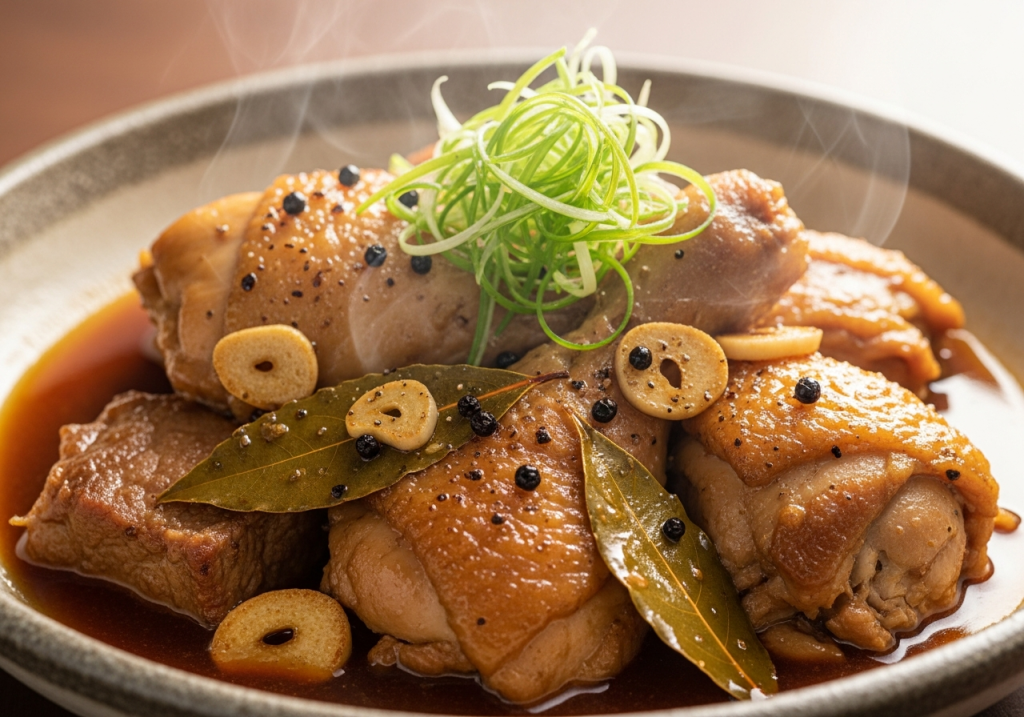

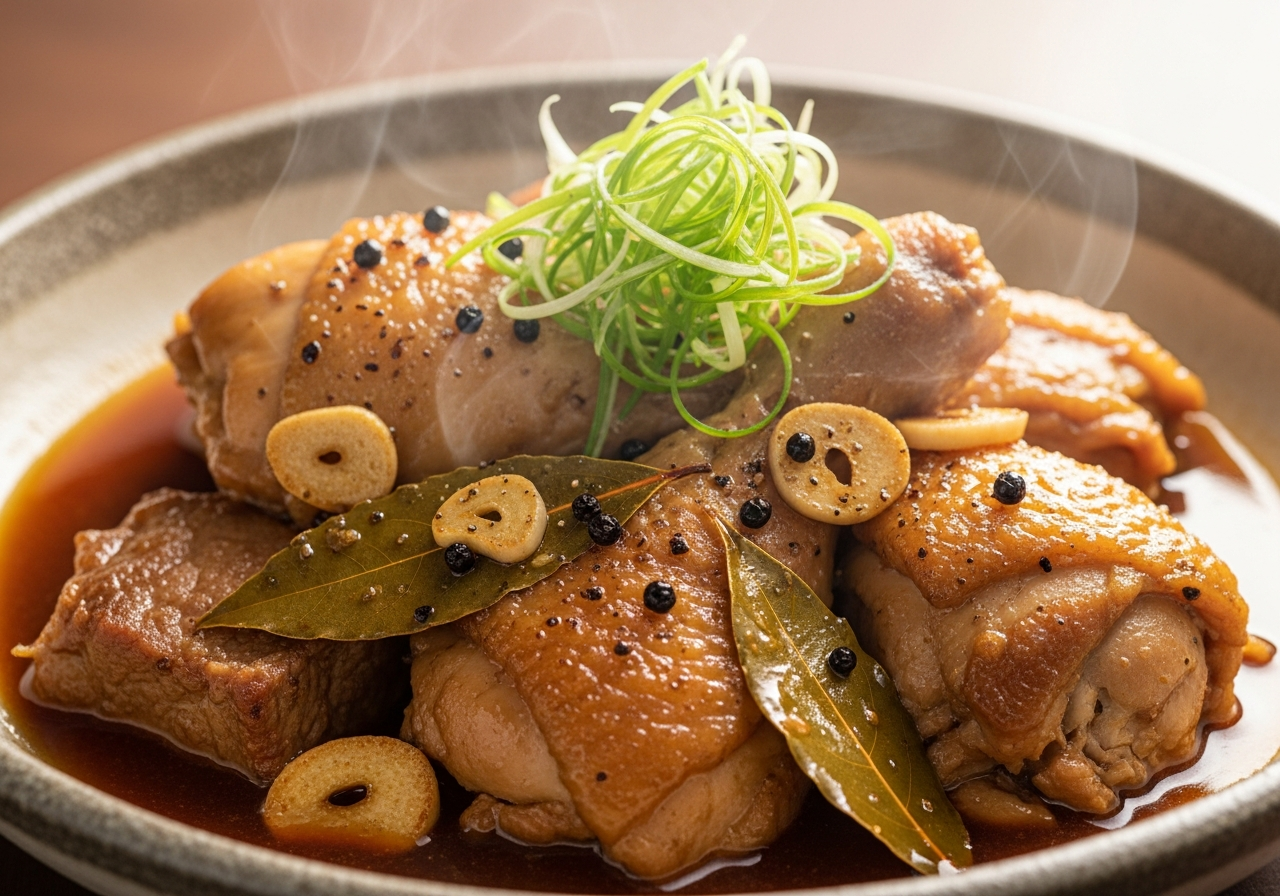
In the heart of Filipino kitchens, a timeless melody simmers-a harmonious blend where vinegar’s tang meets the deep, savory embrace of soy sauce. “Adobo Unveiled: The Soulful Dance of Vinegar & Soy Sauce” invites you to explore more than just a dish; it’s a story steeped in history, culture, adn flavour that transcends mere cooking. This iconic filipino classic is a culinary pas de deux, where sharp acidity and umami-rich soy sauce twirl together, creating a symphony that has captivated palates for centuries. Join us as we peel back the layers of adobo’s essence, revealing the artistry and soul behind every succulent bite.
Discovering the Heartbeat of Filipino Cuisine through Adobo Unveiled
Adobo Unveiled: The Soulful Dance of Vinegar & Soy Sauce captures more than just a recipe-it tells a story of history, culture, and culinary harmony.Originating from the Philippines, this iconic dish transcends regional boundaries, showcasing how simple ingredients like vinegar and soy sauce come together in a symphony of bold, savory, and tangy flavors. My first encounter with adobo was at a bustling Manila kitchen where its aroma told tales of home, family, and resilience-a true comfort food that brings people together.
Prep and Cook Time
- planning: 15 minutes
- Cooking: 45 minutes
- Total Time: 1 hour
Yield
Serves 6 generous portions
Difficulty Level
Medium – requires basic sautéing and simmering techniques
Ingredients
- 2 lbs pork belly or chicken thighs, skin-on and bone-in, cut into chunks
- 1/2 cup soy sauce (use Filipino brand if possible, for authentic depth)
- 1/2 cup cane vinegar (white vinegar can be substituted, but cane vinegar lends a fruity tang)
- 1 head garlic, peeled and crushed
- 2 bay leaves
- 1 tsp whole black peppercorns
- 1 large onion, sliced
- 1 tbsp brown sugar (optional, to balance the acidity)
- 2 tbsp cooking oil
- 1 cup water or chicken broth
- Salt to taste
Instructions
- Marinate the meat in soy sauce, vinegar, crushed garlic, bay leaves, and peppercorns for at least 30 minutes, preferably overnight. This allows the flavors to deeply penetrate.
- Heat oil in a heavy-bottomed pan over medium heat. Sauté sliced onions untill translucent, about 3 minutes, enhancing the base flavor.
- Remove the meat from the marinade, reserving the liquid. Brown the pork or chicken pieces in batches until golden on all sides-about 6 minutes per batch. This caramelization builds complexity in your adobo.
- Return all the browned meat to the pan. Pour in the marinade along with 1 cup of water or broth, adding brown sugar if using. Stir gently to combine.
- bring to a boil, then reduce to a simmer.Cover and cook for 30-40 minutes, or until the meat is tender and the sauce has reduced slightly, thickening to a luscious coating.
- Uncover and crisp the meat by increasing heat for the last 5 minutes,stirring occasionally. This final step unlocks delightful texture contrasts.
- Taste and adjust seasoning with salt or additional soy sauce/vinegar if needed, to perfect the balance of tang and savoriness.
Chef’s Notes: Mastering the Flavor Dynamics
- Balancing acidity and salt: The secret in Adobo Unveiled lies in the delicate dance between vinegar’s sharp bite and soy sauce’s salty depth. Start conservatively, and adjust after simmering for a rounder taste.
- Meat options: Pork belly delivers richness, while chicken thighs offer tenderness and absorb the sauce elegantly. Experiment with seafood or even vegetables for creative twists.
- Make-ahead magic: Adobo tastes even better the next day as flavors meld. Store refrigerated and gently reheat for a soulful meal anytime.
- vinegar varieties: Cane vinegar adds fruity brightness; you can substitute with coconut vinegar or apple cider vinegar for nuanced profiles.
- Layering techniques: Searing meat before simmering develops complex Maillard flavors crucial to this dish’s character.
Serving Suggestions: Elevate Your Adobo Experience
Present your adobo with a steaming bowl of garlic fried rice to complement its savory richness. Garnish with freshly chopped green onions and a wedge of calamansi or lemon to amplify brightness. For traditional flair,pair with pickled papaya (atchara)-the sweet,crisp contrast cuts through the saucy intensity brilliantly.
Adobo also pairs wonderfully with contemporary sides like roasted root vegetables or simple kimchi, bridging east and west.A chilled glass of crisp white wine or a lightly hopped craft beer can refresh the palate, highlighting the dish’s soulful layers.

| nutrient | Per Serving |
|---|---|
| Calories | 420 kcal |
| Protein | 32 g |
| Carbohydrates | 6 g |
| Fat | 28 g |
For more on the vibrant world of Filipino cuisine and pairing tips, check out our Filipino Food Guide. To deepen your understanding of vinegar’s role in global dishes, visit Healthline’s extensive article on vinegar.
Q&A
Q&A: Adobo Unveiled – The Soulful Dance of Vinegar & Soy Sauce
Q1: What makes adobo more than just a dish?
A1: Adobo is not merely a recipe; it’s a culinary symphony that tells the story of the Philippines’ rich history and cultural fusion. It embodies the soulful dance of vinegar and soy sauce, harmonizing tangy acidity with deep umami notes, creating a flavor that transcends borders and generations.
Q2: Why are vinegar and soy sauce considered the heart of adobo?
A2: Vinegar and soy sauce are the yin and yang of adobo’s soul. Vinegar brings a sharp, cleansing brightness that tenderizes the meat and lifts the flavors, while soy sauce adds a savory depth and color, anchoring the dish with its complex saltiness.Together, they perform a timeless duet that defines adobo’s character.
Q3: Is adobo the same everywhere in the Philippines?
A3: Absolutely not! Adobo is a canvas where regional palettes paint their own masterpieces. In some provinces, coconut milk sways into the mix, adding richness; in others, garlic steps forward as the led performer. The adaptability of adobo reflects the Philippines’ diverse cultural landscape-each version telling its own unique,flavorful tale.
Q4: How does cooking technique influence adobo’s flavor?
A4: The magic of adobo lies in slow simmering, where vinegar and soy sauce gently coax the meat into tenderness and infuse it with flavor. The simmering time allows the sauce to reduce and thicken, intensifying the fusion of acidity and umami. This gradual process creates a melody of tastes that dance on your palate with every bite.
Q5: Can adobo be considered a symbol beyond food?
A5: Indeed! Adobo is a gastronomic metaphor for resilience and unity. Just as vinegar and soy sauce meld disparate notes into a harmonious whole, adobo unites diverse cultural influences-native, Spanish, Chinese-into a single, comforting embrace.It’s a dish that nourishes not just the body, but the Filipino spirit.
Q6: How can home cooks bring out the soulful essence of adobo?
A6: to awaken adobo’s soulful dance, start with quality vinegar-traditionally cane or coconut-and a robust soy sauce. Embrace the patient simmering process, and don’t shy away from customizing spices-bay leaves, peppercorns, and garlic are your allies. let the flavors rest; adobo often shines brightest after a day or two, allowing the vinegar and soy sauce to fully entwine.
Q7: What does adobo reveal about the Filipino approach to cooking and life?
A7: Adobo reveals a graceful balance of complexity and simplicity, much like Filipino life itself. It shows a reverence for humble ingredients transformed through patience and creativity. This dish teaches us that even the boldest flavors can coexist in harmony-an edible reminder that life’s richness comes from embracing contrasts with warmth and grace.
In Retrospect
As the final simmer of adobo’s rich, tangy symphony settles, we come to appreciate that this beloved dish is far more than the sum of its vinegar and soy sauce. It is a vibrant tapestry woven from history, culture, and flavor-a soulful dance that continues to evolve with every kitchen and every hand that stirs the pot. In unveiling adobo, we glimpse not just a recipe but a living legacy, inviting us to savor tradition while celebrating innovation. So, whether you’re a seasoned cook or a curious newcomer, may every bite of adobo nourish your palate and your thankfulness for the beautiful complexity beneath its humble surface.