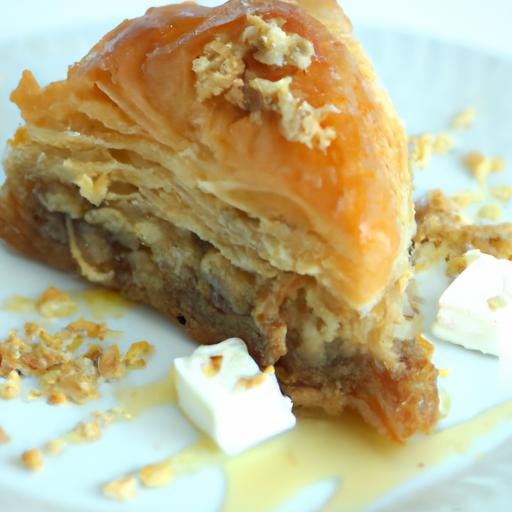

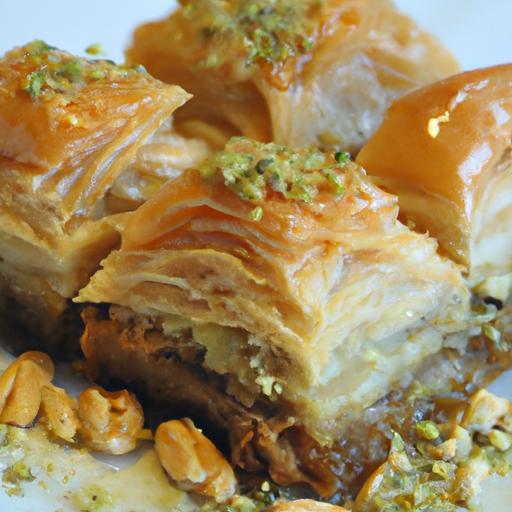
There’s a certain magic in the way golden layers of flaky pastry cradle a sweet, nutty filling, all drenched in fragrant honey-welcome to the world of baklava, a dessert as rich in history as it is in flavour. In our ”Golden Layers: Authentic Greek-Style Baklava Recipe Guide,” we invite you to uncover the secrets behind this iconic Mediterranean treat. From the artful layering of delicate phyllo dough to the perfect blend of walnuts and spices that define its soulful character, this guide is your key to recreating a timeless classic in your own kitchen. Whether you’re a seasoned pastry enthusiast or a curious beginner,prepare to embark on a culinary journey that celebrates tradition,craftsmanship,and the irresistible allure of golden,syrup-soaked layers.
Golden Layers Greek-Style Baklava is a timeless treasure of Mediterranean cuisine,where flaky phyllo sheets meet a symphony of toasted nuts and luscious honey syrup. This recipe invites you to embrace the art of creating those delicate, crisp sheets that, when baked, transform into a stunning mosaic of golden layers, each bite bursting with authentic flavor and delightful texture.
Prep and Cook Time
Readiness: 45 minutes (includes layering and syrup prep)
Cooking: 50 minutes
Cooling & Soaking: 3 hours (minimum)
Yield
Serves 12 generous portions
Difficulty Level
Intermediate – Requires patience and meticulous layering but yields bakery-quality results.
Ingredients
- 1 package (16 oz) phyllo dough, thawed according to package instructions
- 2 cups walnuts, finely chopped
- 1 cup pistachios, finely chopped
- 1 cup almonds, finely chopped
- 1 teaspoon ground cinnamon
- 1 cup unsalted butter, melted
- 1 cup granulated sugar
- 1 cup water
- 1/2 cup honey, preferably greek thyme honey
- 1 tablespoon fresh lemon juice
- 1 teaspoon vanilla extract
- 1 pinch ground cloves (optional)
Instructions
- Prepare the nut mixture: In a large bowl, combine the finely chopped walnuts, pistachios, almonds, and cinnamon. Toss thoroughly so the spices are evenly distributed.
- Preheat your oven to 350°F (175°C). Butter a 9×13 inch baking dish generously to ensure a non-stick,golden crust.
- Work with the phyllo dough carefully: Keep the sheets covered with a damp cloth while layering to prevent drying and tearing. Layer two sheets at a time, brushing each layer liberally with melted butter before proceeding to the next.
- Build the base: Layer about 8 sheets of phyllo in the pan, buttering each layer. This base will give a sturdy, flaky bottom.
- Add the nut filling: Spread about one-third of your nut mixture evenly over the layered dough. Continue layering 4 sheets of phyllo dough on top, each brushed with butter.
- Repeat layers: Add another one-third of the nut mixture, followed by 4 more phyllo sheets, buttered. Finish with the remaining nut filling.
- top layers & scoring: Finish layering the remaining phyllo (about 8 sheets), buttering each sheet carefully. Using a sharp knife, score the unbaked baklava into diamond or square shapes to ease cutting after baking.
- Bake: Place the tray in the oven and bake for about 45-50 minutes or untill the baklava turns a deep golden brown and the layers are delightfully crisp.
- Meanwhile, prepare the honey syrup: Combine sugar, water, honey, lemon juice, vanilla extract, and optional cloves in a saucepan. Bring to a boil, then reduce heat and simmer gently for 10-15 minutes until slightly thickened and fragrant. Remove from heat and let cool.
- Pour the warm syrup: Once the baklava emerges from the oven, immediately pour the cooled syrup evenly over the hot pastry. This soaking step is crucial to achieving the signature moistness balanced with crispness.
- Let it rest: Allow the baklava to cool entirely at room temperature for at least 3 hours, ideally overnight, to let the syrup be fully absorbed and layers harmonize into a sweet masterpiece.
- Serve: Carefully separate along scored lines and enjoy.
Tips for Success
- Always handle phyllo dough gently; keep it covered with a damp towel to maintain moisture and prevent breakage.
- use unsalted butter for better control of saltiness; melted butter ensures even, golden crisping between layers.
- Pre-toast nuts for a richer, toasty flavor before chopping and layering into the baklava.
- Cut baklava before baking to prevent crust breakage and allow syrup penetration through scored cuts.
- Store leftover baklava in an airtight container at room temperature to maintain crispness for up to 4 days.
- For a vegan alternative, substitute butter with melted coconut oil, keeping in mind it will impart a subtle coconut aroma.
Serving Suggestions
Present your golden layers baklava with a sprinkle of finely chopped pistachios for a vibrant green touch. A dusting of powdered cinnamon or a fresh mint sprig adds aroma and color contrast. Pair baklava with a cup of strong Greek coffee or a glass of sweet dessert wine to elevate every indulgent bite.For festive occasions, serve alongside fresh, seasonal fruits like figs or pomegranate seeds to enhance visual appeal and balance sweetness.
| Nutrient | Per Serving |
|---|---|
| Calories | 320 kcal |
| Protein | 5 g |
| Carbohydrates | 34 g |
| Fat | 18 g |
| Sugar | 22 g |

Discover more recipes for Mediterranean desserts in our Mediterranean Desserts collection or deepen your understanding of Greek culinary traditions by visiting the official Greek tourism site.
Q&A
Q&A: Golden Layers – Your Ultimate Guide to Authentic Greek-Style Baklava
Q1: What makes Greek-style baklava different from other versions?
A: Greek baklava is all about those luscious, golden layers of ultra-thin phyllo dough, handcrafted with meticulous care. Unlike some Middle Eastern variations that may use different nuts or spices, the greek classic typically boasts a fragrant blend of walnuts, cinnamon, and a touch of clove-all drenched in a honey-lemon syrup that crisps and caramelizes every tender bite. It’s a harmonious dance between flaky texture and sticky sweetness, rooted deeply in tradition.
Q2: Why is the layering technique so important in baklava?
A: Think of baklava’s layers like a symphony-each phyllo sheet a delicate note that must be perfectly timed and placed. Proper layering ensures a crunch that fractures beautifully under your fork, while simultaneously cradling the nut filling.It also allows the syrup to seep evenly,so every bite bursts with that signature golden sweetness and nuanced flavor complexity.
Q3: How do I keep phyllo dough from tearing while making baklava?
A: Phyllo dough is notoriously delicate-like paper-thin magic that dries out instantly. To keep it pliable, always cover the sheets with a damp kitchen towel while you work. Work quickly but gently,brushing each layer with olive oil or melted butter to add flavor and prevent sticking. Think of it as pampering the dough-tender handling begets crispy, flaky perfection.
Q4: What’s the secret to making the perfect syrup for Greek baklava?
A: The syrup is the sticky soul of baklava. conventional Greek syrup is a blend of honey, water, sugar, and a hint of lemon juice to balance the sweetness with a subtle tang. Some recipes whisper in a dash of cinnamon or even a splash of orange blossom water. The key is to simmer gently until it thickens, then pour it over the hot baklava-allowing the syrup to soak in and create that irresistible glaze.
Q5: Can I substitute walnuts with other nuts in this recipe?
A: Absolutely! While walnuts are the classic choice in Greek baklava, pistachios, almonds, or a mix can offer delightful variations. Each nut brings its own flavor story-pistachios add a vibrant color and earthy sweetness, almonds lend a subtle crunch and mildness. Just ensure your nuts are finely chopped but not powdery for the best texture.
Q6: How long should baklava rest before serving?
A: Patience is a virtue here! Once drizzled with syrup,baklava needs several hours-ideally overnight-to fully absorb that honeyed goodness.This resting period transforms it from a pile of layers to a cohesive, melt-in-your-mouth masterpiece where every golden shard sings with flavor.Q7: Can baklava be made ahead, and how should I store it?
A: Yes! Baklava actually benefits from sitting a day or two, allowing flavors to deepen. Store it airtight at room temperature, away from humidity to preserve the crisp layers. If you make it in advance, just bring it to room temperature before serving to revive its glory.
Q8: Any tips for serving baklava like a Greek pro?
A: Serve baklava in small, elegant squares paired with a strong Greek coffee or a lightly sweetened black tea to cut through the richness. Garnish with a sprinkle of finely chopped pistachios or a light dusting of cinnamon. And remember-a little goes a long way, so savor it slowly and let those golden layers tell their ancient tale.
Ready to roll up your sleeves and create golden sheets of history and sweetness? This authentic Greek baklava recipe guide will have you layering, drizzling, and savoring your way to perfect homemade bliss.Opa!
Key Takeaways
as you close the final page of this golden journey through the art of crafting authentic Greek-style baklava, may you carry with you more than just a recipe. Behind each crisp, honey-kissed layer lies centuries of tradition, patience, and love-ingredients as essential as the nuts and phyllo themselves. Whether you’re a seasoned baker or a curious novice, embracing these golden layers connects you to a rich cultural tapestry that celebrates sweetness in every bite. So, roll up your sleeves, gather your ingredients, and let the fragrant aroma of cinnamon and honey transform your kitchen into a slice of Greece. Because making baklava is not just about dessert-it’s about creating memories, one golden layer at a time.