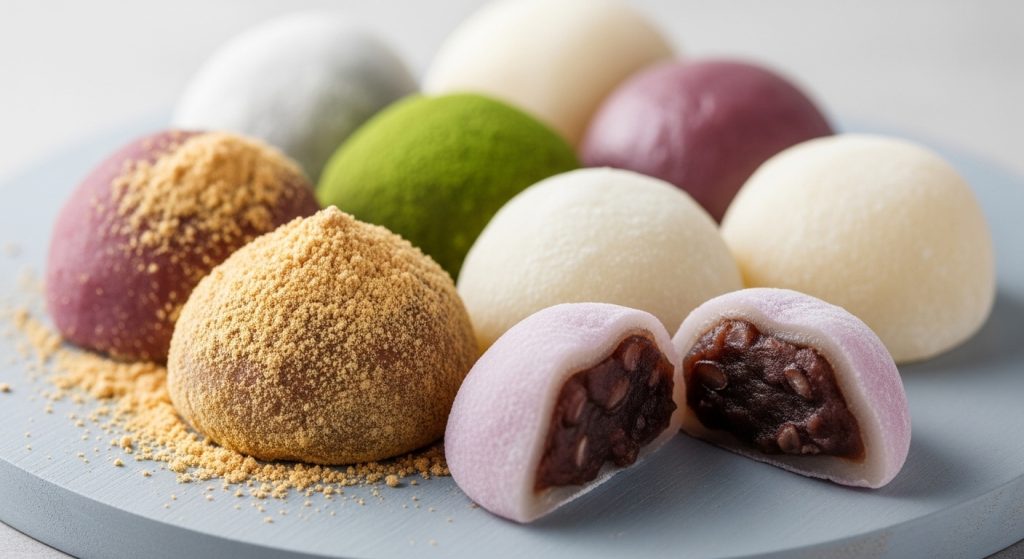

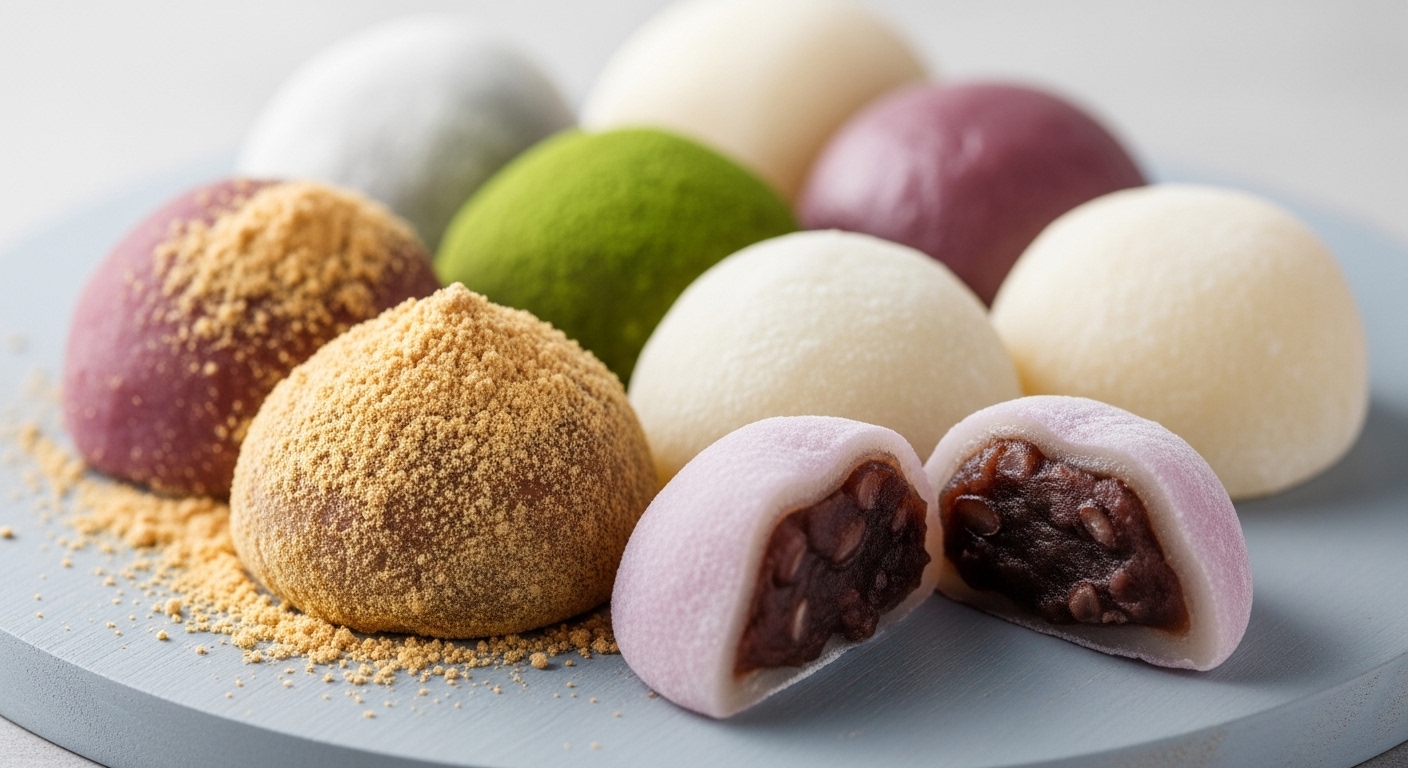
In the heart of Japan’s rich culinary tapestry lies a sweet, sticky treasure that has enchanted taste buds and traditions for centuries-mochi. this humble rice cake, with its chewy texture and subtle sweetness, is far more than just a delightful treat; it’s a symbol of festivity, craftsmanship, and cultural heritage. From ancient rituals to modern desserts, mochi’s magic has captured the imagination of food lovers around the world. Join us as we unravel the story behind Japan’s beloved sticky rice cake, exploring its origins, its role in festivals, and the many flavorful forms it takes today. Prepare to be immersed in the enchanting world of mochi-where tradition and taste unite in every tender bite.
mochi Magic: Exploring Japan’s Beloved Sticky Rice Cake
Mochi Magic captures the essence of Japan’s iconic sticky rice cake, a treat that is both a culinary marvel and a cultural treasure. From New Year celebrations to tea ceremonies, mochi’s chewy texture and delicate sweetness create moments of joy and connection across generations. This recipe guide will take you on an inspiring journey through customary crafting methods, enticing fillings, and tips for mastering mochi’s perfect texture in your own kitchen.
Prep and Cook time
- Readiness: 30 minutes
- Cooking: 15 minutes
- Total Time: 45 minutes
Yield
About 12 mochi pieces, depending on size
Difficulty Level
medium: requires practice for perfect sticky texture but straightforward with clear steps.
Ingredients
- 1 cup mochiko (sweet rice flour)
- 3/4 cup water, room temperature
- 1/4 cup granulated sugar
- Cornstarch or potato starch, for dusting to prevent sticking
- 1/2 cup sweet red bean paste (anko), for filling (optional)
- toasted kinako (roasted soybean flour), for garnish (optional)
Instructions
- Combine dry ingredients: In a microwave-safe bowl, whisk 1 cup mochiko with 1/4 cup sugar untill blended evenly.
- Add water gradually: Pour in 3/4 cup water slowly, stirring with a wet spatula to form a smooth batter free of lumps.
- Microwave cooking: Cover bowl with plastic wrap or a damp towel. Microwave on high for 2 minutes. Carefully remove and stir vigorously with a wet spatula to redistribute heat and avoid clumps.
- Second cooking phase: Microwave again for 1 minute, then stir once more. Repeat a final 1-minute microwave cycle until the dough turns glossy, sticky, and slightly translucent.
- Prepare work surface: Dust parchment paper or a clean tray with ample cornstarch or potato starch to prevent sticking.
- Shape mochi: Transfer the hot mochi dough onto the dusted surface. Allow to cool just enough to handle safely (about 5 minutes).
- Divide and fill: Dust hands with starch and pinch off a portion of mochi,flattening it gently. For filled mochi, place ~1 teaspoon of red bean paste in the center, then fold edges over and pinch closed, shaping into a smooth ball.
- Final dusting: Roll each mochi lightly in starch to coat and avoid stickiness.
Tips for Success: Crafting Mochi Magic at Home
- Use authentic mochiko: Sweet rice flour is essential for achieving the traditional chewy texture.
- Keep stirring: Stirring during microwave intervals ensures even cooking and the signature glossy finish.
- Moist hands: Wetting hands with water or starch helps in handling sticky mochi effortlessly.
- Experiment with fillings: Try variations like matcha paste, strawberry jam, or even creamy custard for modern twists.
- Make ahead tip: Store mochi in an airtight container at room temperature up to 1 day; refrigerating can harden the texture.
Serving Suggestions: Presenting Mochi Magic
Arrange your mochi pieces on a minimalist Japanese serving plate or bamboo leaf for aesthetic authenticity. Lightly dust with toasted kinako or drizzle with a sweet syrup such as kuromitsu (black sugar syrup) for extra flavor depth. Pair mochi with a cup of matcha green tea to create a harmonious balance of sweetness and earthiness, paying homage to its ceremonial roots.

Nutritional Information per Serving
| Calories | Protein | Carbs | Fat |
|---|---|---|---|
| 120 | 1g | 28g | 0.1g |
Embrace the Mochi Magic that has transcended centuries as both a sweet indulgence and cultural symbol.To deepen your understanding of traditional Japanese desserts, explore our extensive guide on wagashi. For rich history and diverse mochi varieties, consider visiting the official Japan National Tourism Organization’s page on traditional sweets here.
Q&A
Q&A: Mochi Magic – Exploring Japan’s Beloved Sticky Rice Cake
Q1: What exactly is mochi?
A1: Mochi is a traditional Japanese delicacy made from glutinous rice that’s been pounded into a smooth, sticky, and chewy cake. Its texture is uniquely soft and stretchy, making it both fun to eat and a cultural icon in Japan. More than just food, mochi embodies centuries of tradition and celebration.
Q2: How did mochi become such a beloved treat in Japan?
A2: Mochi’s roots trace back to ancient Japan,where it was not only a staple food but also a spiritual offering during Shinto ceremonies and New Year festivities. Over time,its versatility and comforting chewiness captured hearts across the contry,turning it into a symbol of luck,prosperity,and togetherness.
Q3: What makes mochi so sticky and stretchy?
A3: The magic lies in its main ingredient-glutinous rice (called mochigome). When steamed and vigorously pounded, the rice’s starches gelatinize, creating a stretchy, sticky consistency that distinguishes mochi from regular rice cakes. This process is both an art and a celebration known as mochitsuki.
Q4: Are there different types of mochi?
A4: Absolutely! Mochi comes in many delightful forms. There’s plain mochi, often enjoyed grilled or in soups, as well as stuffed mochi filled with sweet red bean paste (anko), fruit, or even ice cream. Regional variations add unique twists, reflecting Japan’s rich culinary tapestry.
Q5: How is mochi traditionally prepared?
A5: Traditionally, mochi-making is a communal event.Steamed glutinous rice is placed in a mortar (usu) and pounded rhythmically with heavy wooden mallets (kine) by two people working in harmony. One pounds while the other turns the rice-a teamwork rhythm full of energy, laughter, and a touch of magic.
Q6: Can mochi be enjoyed beyond japanese cuisine?
A6: Definitely! Mochi’s chewy texture and mild flavor make it a versatile ingredient worldwide. From mochi ice cream to fusion sweets, creative chefs incorporate mochi into desserts, drinks, and savory dishes everywhere. it’s a sticky rice cake with global appeal!
Q7: Is mochi healthy?
A7: Mochi is relatively simple-mainly rice with little added fat or sugar unless filled or flavored. It’s a good source of carbohydrates and energy.Though, as it’s dense and sticky, it should be eaten mindfully, especially by children and the elderly, to avoid choking hazards.
Q8: How can someone try making mochi at home?
A8: Home cooks can experiment by buying mochiko (glutinous rice flour) to create easy mochi without the traditional pounding. simply mix mochiko with water and sugar, steam or microwave until sticky, then shape and enjoy! For a true experience, watching or attending a mochitsuki festival is a must.
Q9: What cultural significance does mochi hold today?
A9: Mochi remains deeply embedded in Japanese culture. It’s central to New Year rituals, symbolizing good fortune and health. Sharing mochi is an expression of community and respect. Beyond food, it reminds us of history, celebration, and the sweet stickiness of life itself.
Discovering mochi is like peeling back a layer of Japan’s soul-one elastic bite at a time.Whether enjoyed at a bustling festival or wrapped in delicate sweets, mochi continues to enchant and connect generations with its timeless chewy charm.
Future Outlook
As the last bite of mochi melts gently on the tongue, it leaves behind more than just a sweet taste-it carries the rich tapestry of Japan’s history, culture, and creativity. From festive celebrations to everyday treats, mochi’s sticky charm continues to enchant palates around the world, proving that this humble rice cake is much more than meets the eye. Whether enjoyed soft and chewy, filled with luscious red bean paste, or shaped into whimsical seasonal designs, mochi remains a delectable symbol of tradition and innovation.So next time you savor this magical morsel, remember-you’re partaking in a delicious story that has been crafted with care for centuries, a true testament to the enduring spirit of Japan’s beloved sticky rice cake.