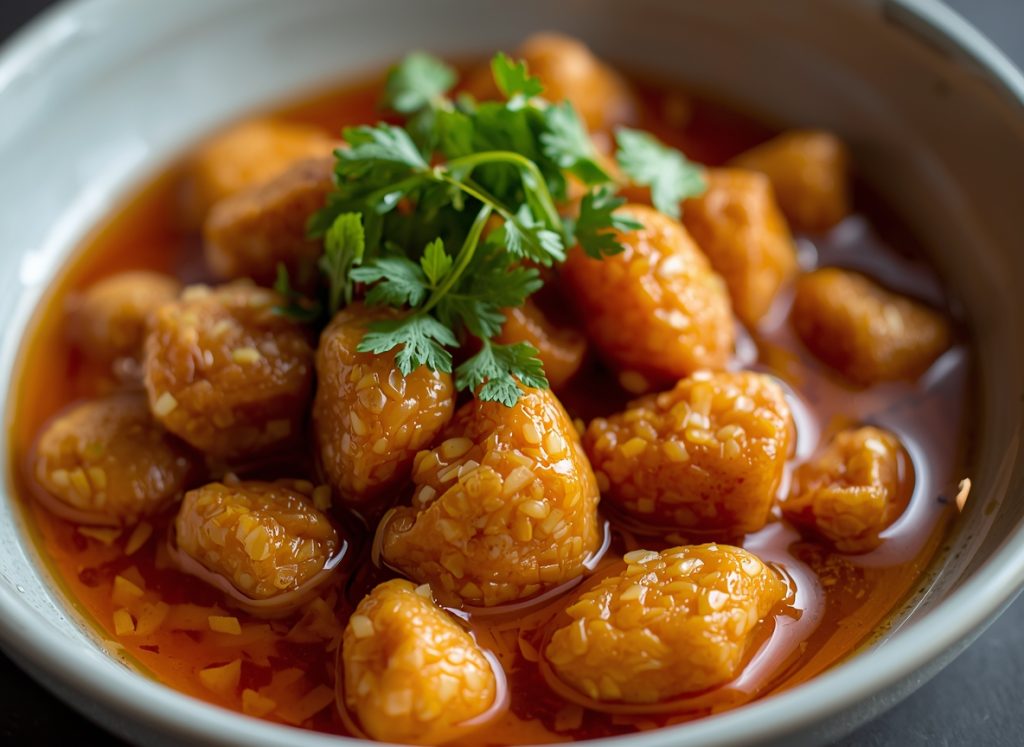

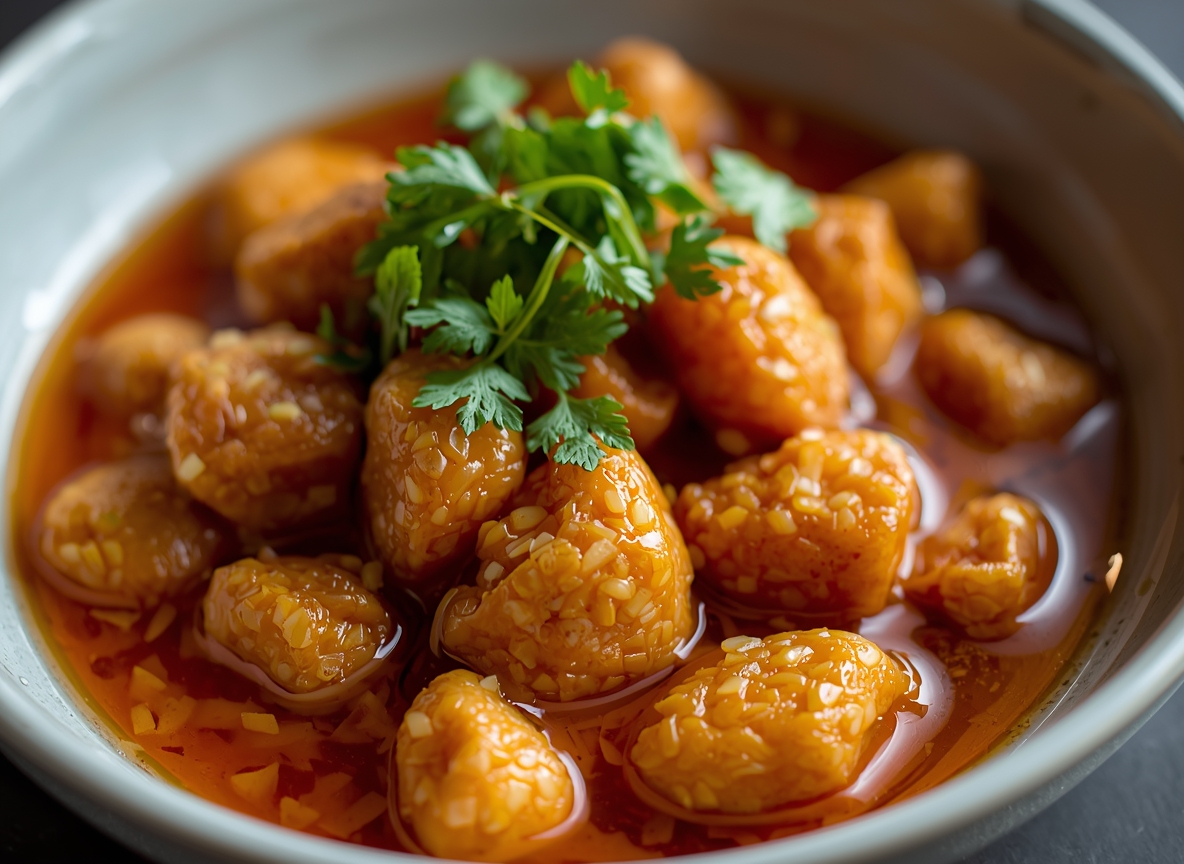
in the vibrant tapestry of Vietnamese cuisine, few dishes capture the heart and soul of tradition quite like Bun Rieu. This fragrant, tangy crab noodle soup brims with layers of flavor that tell stories of bustling street vendors, sun-drenched markets, and cherished family recipes passed down through generations. If you’ve ever found yourself craving a bowl that melds the delicate sweetness of crab, the zest of fresh tomatoes, and the comforting warmth of rich broth, you’re in for a treat. Welcome to “Savor the Flavors: Authentic Bun Rieu Recipe Guide,” where we’ll dive deep into the art of crafting this beloved dish from scratch-unveiling tips, secrets, and the cultural charm that make Bun Rieu a true culinary treasure. Whether a seasoned cook or a curious foodie, prepare to bring a slice of Vietnam’s soul right to your kitchen.
Savor the Flavors: Authentic Bun Rieu Recipe Guide invites you on a culinary journey that beautifully showcases the heart and soul of Vietnamese cuisine. This vibrant crab noodle soup boasts centuries of history, blending coastal freshness with rich inland traditions that make it a communal favorite across Vietnam. I first discovered Bun Rieu on a bustling street in Hanoi, where the fragrant, tangy broth captivated my senses, inspiring me to master this iconic dish at home. It’s the perfect comfort food-layered with umami, brightened with tamarind, and crowned with fresh herbs, every spoonful tells a story.
Prep and Cook Time
- Preparation: 30 minutes
- Cooking: 1 hour 15 minutes
- Total: 1 hour 45 minutes
Yield
Serves 4 generous bowls
Difficulty Level
Medium - rewarding for home cooks ready to explore authentic Vietnamese flavors
Essential Ingredients
- 500g fresh crab meat, picked and lightly shredded
- 200g pork bones (preferably leg bones for a rich stock)
- 150g tofu, firm, sliced into cubes
- 100g dried shrimp, soaked and finely chopped
- 250g rice vermicelli noodles, soaked until pliable
- 2 large tomatoes, quartered
- 3 tablespoons fermented shrimp paste (mắm tôm)
- 2 tablespoons tamarind paste, dissolved in ½ cup warm water
- 4 cloves garlic, minced
- 1 medium onion, thinly sliced
- 2 tablespoons fish sauce
- 1 teaspoon white pepper
- Fresh herbs: Vietnamese coriander, mint, perilla leaves
- Bean sprouts, lime wedges, and chili slices for garnish
- Vegetable oil for sautéing
Step-by-Step Instructions to Craft customary Bun Rieu
- Prepare the broth: Rinse pork bones thoroughly, then blanch in boiling water for 5 minutes. Drain and transfer to a large pot filled with 6 cups of fresh water. Simmer gently for 1 hour,skimming impurities periodically for a clear broth.
- Make the crab paste: In a bowl, combine crab meat, chopped dried shrimp, half the minced garlic, a teaspoon of fish sauce, and a pinch of white pepper. Mix until it forms a paste-like consistency. Set aside.
- Sauté aromatics: Heat 2 tablespoons of vegetable oil in a pan over medium heat. Add onions and remaining garlic,sautéing until translucent and fragrant,about 4 minutes.Add quartered tomatoes and cook until soft, about 5 minutes.
- Integrate aromatics into broth: Transfer sautéed onions, garlic, and tomatoes into the broth.Stir in tamarind water and fermented shrimp paste, letting the flavors marry for 15-20 minutes over low heat.
- Add tofu and crab paste: Gently drop tofu cubes and spoonfuls of crab paste into the broth. Simmer gently, allowing the crab meat to firm up and infuse the soup with umami-rich sweetness, about 10 minutes.
- Prepare noodles: While the broth simmers, blanch rice vermicelli in boiling water for 1-2 minutes until tender but still springy. Drain and set aside.
- Season and taste: Adjust seasoning with fish sauce, a dash of sugar if desired, and white pepper. The broth shoudl balance salty, sour, and savory notes with a deep complexity.
- Assemble bowls: Divide noodles among warmed bowls. Ladle the steaming hot broth with crab meat, tofu, and tomato over the noodles.
- Garnish generously: Top with fresh herbs, bean sprouts, a squeeze of lime, and chili slices for brightness and crunch.
- Serve immediately: Bun Rieu is best enjoyed fresh, accompanied by extra herbs and lime to customize each bite.
Tips for Success when Mastering Bun Rieu
- Broth clarity: Keep the simmer low and skim foam frequently to preserve a clean broth.
- Crab freshness: Fresh crab meat elevates the dish authentically, but good-quality canned crab can substitute in a pinch.
- Tamarind balance: Always taste your tamarind mixture before adding to avoid overpowering sourness; adjust with water or a pinch of sugar if necessary.
- Make ahead: Broth can be prepared a day before and refrigerated; just reheat gently before assembling the soup.
- Ingredient sourcing: Authentic Vietnamese markets carry fermented shrimp paste, fresh herbs, and dried shrimp-essential for true flavor depth.
Serving Suggestions
Serve Bun Rieu piping hot in deep bowls accompanied by a platter of garnishes: fresh Vietnamese coriander, mint, shredded banana blossom if available, lime wedges for a zesty finish, and sliced fresh chili for heat. Enjoy it as a hearty lunch or a warming dinner with friends and family. Offer small bowls of chili sauce and extra fermented shrimp paste for those who crave stronger, pungent notes.
| Nutrient | Per Serving |
|---|---|
| Calories | 420 kcal |
| Protein | 35g |
| Carbohydrates | 40g |
| Fat | 12g |
For a deeper dive into Vietnamese noodle soups, check out our Classic Pho Recipe and enrich your culinary repertoire. To expand your knowledge on fermented shrimp paste, visit this ScienceDirect overview.

Q&A
Q&A: Savor the Flavors – Authentic Bún Riêu Recipe Guide
Q1: What is Bún Riêu, and why is it so beloved in Vietnamese cuisine?
A1: Bún Riêu is a vibrant Vietnamese noodle soup celebrated for its tangy, savory broth and fresh, fragrant toppings. Made with a crab-based broth, tomatoes, rice vermicelli noodles, and often topped with tofu, shrimp paste, or pork, it’s a harmonious blend of flavors that dance on the palate. Its balance of sour, sweet, and umami notes makes it a comforting yet exciting dish cherished across Vietnam.
Q2: What makes an authentic Bún Riêu different from othre Vietnamese soups?
A2: Unlike Pho or Bún Bò Huế, Bún Riêu’s hallmark is its crab-infused broth and the subtle sourness from tomatoes and tamarind or vinegar. The addition of shrimp paste and fresh herbs like perilla or water spinach give it a uniquely complex flavor profile. Its blend of textures-from silky noodles to fluffy crab meat cake-sets it apart as a delightfully layered dish.
Q3: What are the essential ingredients to master for authentic Bún Riêu?
A3: To nail the authentic taste,focus on these essentials: fresh river crab meat (or crab paste),ripe tomatoes for that signature tang,rice vermicelli noodles (bún),fermented shrimp paste (mắm tôm),tofu,and Vietnamese herbs like ngo gai (culantro) and rau răm (Vietnamese coriander). Adding a splash of tamarind or fresh lime juice heightens the sour notes.
Q4: Can I substitute ingredients if I can’t find fresh crab meat?
A4: Absolutely! While fresh crab meat is ideal, many cooks use canned crab paste mixed with ground pork or shrimp for that signature taste and texture. Tofu and crab-flavored seafood balls also work well. The secret is preserving the broth’s delicate crab essence and balancing acidity so the dish stays true to its roots.
Q5: How can I make my Bún Riêu broth rich and flavorful without it being to oily?
A5: Simmer crab shells and pork bones gently to draw out sweetness, then clarify the broth to keep it clear and light. Adding tomatoes early in the cooking brightens the flavor and adds a beautiful hue. Avoid heavy oils; rather, finish with a drizzle of infused chili oil or fried shallots for a subtle aroma that complements rather than overwhelms.
Q6: what fresh herbs and garnishes elevate the Bún Riêu experience?
A6: Herbaceous freshness is essential. perilla leaves, vietnamese coriander, thick-cut scallions, shredded banana blossom, bean sprouts, and lime wedges all amplify texture and taste. Sprinkle crushed roasted peanuts or fried garlic for crunch, and serve with chili slices or chili sauce if you like a spicy kick.
Q7: How should Bún Riêu be enjoyed for an authentic meal experience?
A7: Serve the broth hot over freshly cooked vermicelli noodles in bowls topped generously with crab meat cakes, tofu, and herbs. Encourage diners to customize each bowl with herbs, lime, and chili to their taste. Traditionally,Bún Riêu is savored slowly-sip,slurp,and enjoy the mouthwatering harmony of flavors with every bite!
Q8: Any tips for first-timers trying Bún Riêu at home?
A8: Don’t rush! Building the broth’s depth takes patience-start by roasting crab shells and simmering gently.Balance sour and savory carefully; it’s okay to adjust with lime or sugar at the end. And remember, the magic lies in freshness: fresh herbs, ripe tomatoes, and quality noodles make all the difference. Embrace the process and savor the soulful, tangy goodness of this iconic Vietnamese soup.
To Conclude
As you close the pot on this flavorful journey, remember that Bun Rieu is more than just a dish-it’s a party of tradition, culture, and the art of balancing fresh, vibrant ingredients. With every spoonful, you’re savoring centuries of Vietnamese heritage, transformed into a comforting bowl brimming with tangy crab broth, tender noodles, and fragrant herbs. whether you’re a seasoned home cook or a curious foodie, this authentic Bun Rieu recipe invites you to bring a taste of Vietnam right into your kitchen. So gather your ingredients, embrace the process, and let each bite transport you to bustling street markets and cozy family gatherings. Happy cooking, and may your Bun Rieu always be bursting with flavor!