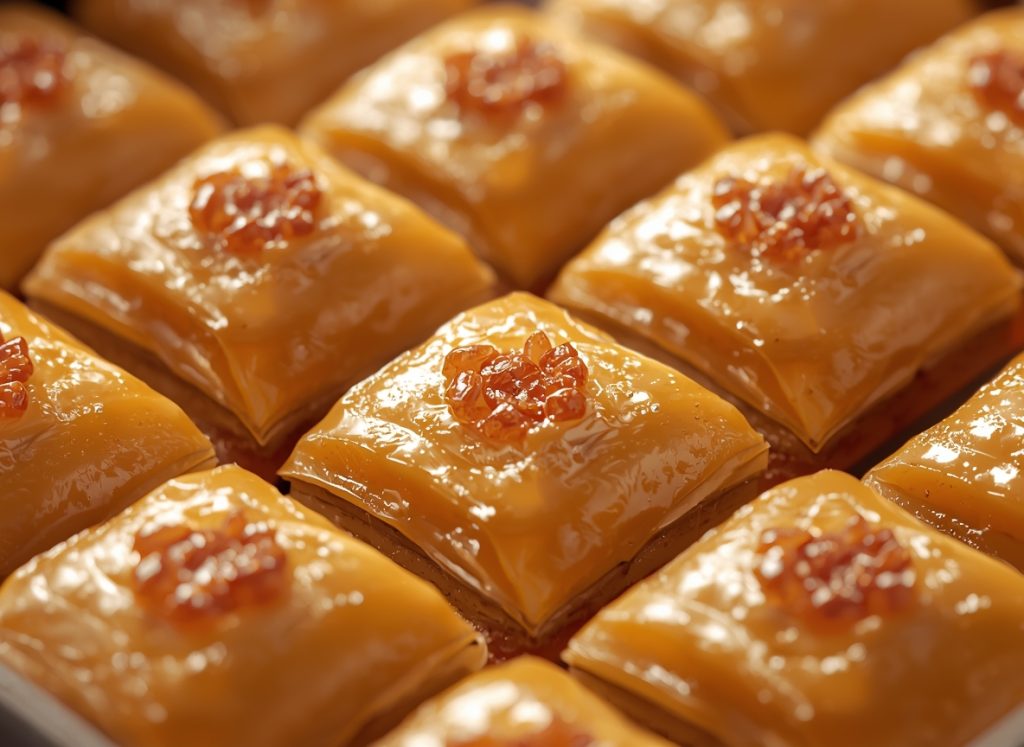

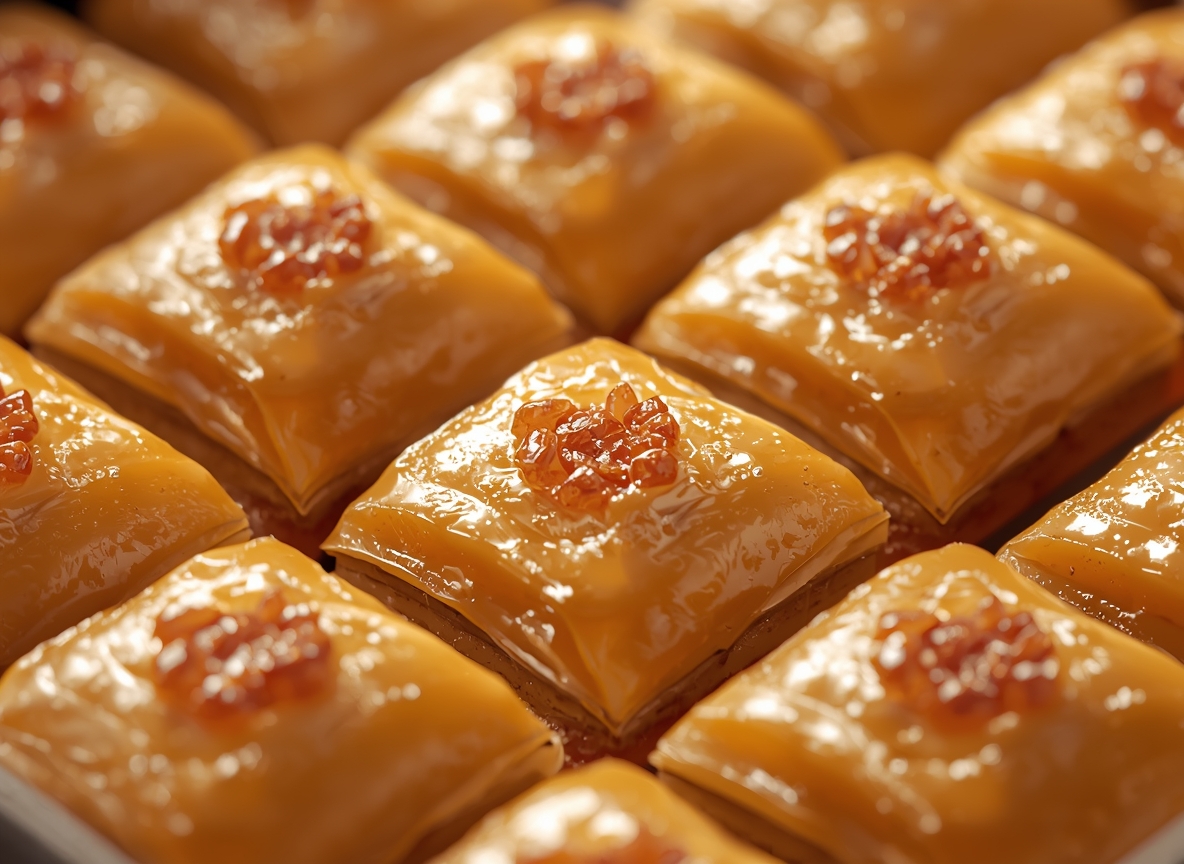
There’s a reason why baklava has enchanted palates for centuries, its golden layers weaving a story of culture, tradition, and irresistible flavor. This quintessential Greek dessert, with its flaky phyllo sheets, crunchy nuts, and fragrant honey syrup, is more than just a sweet treat-it’s a celebration of heritage and craftsmanship. In this article, we uncover the authentic Greek-style baklava recipe, peeling back the layers of history and technique to bring you a timeless classic straight from the heart of the Mediterranean. Prepare to embark on a culinary journey that will fill yoru kitchen with intoxicating aromas and your table with golden perfection.
golden Layers: Authentic Greek-Style Baklava Recipe Uncovered invites you into a world where flaky phyllo dough meets the intoxicating harmony of rich honey and nut syrup. This timeless dessert is a celebration of texture and flavor,a symphony crafted through delicate layers and a luscious sweet finish that speaks of centuries-old tradition. Whether you’re a seasoned baker or just beginning to explore Mediterranean sweets, mastering these elements will elevate your baklava to irresistible perfection.
prep and Cook time
- preparation: 45 minutes
- Cooking: 50 minutes
- Cooling & Soaking: 4 hours (preferably overnight)
Yield
Approximately 16 servings
Difficulty Level
Medium
Ingredients
- Phyllo Dough: 1 package (16 oz) of fresh or thawed phyllo sheets
- Butter: 1 ½ cups (340g) unsalted, melted
- Nut Blend: 2 cups finely chopped walnuts
- Almonds: 1 cup finely chopped, blanched
- Hazelnuts: ½ cup chopped (optional, for authentic depth)
- Sugar: ½ cup granulated
- Ground Cinnamon: 1½ tsp
- Ground Cloves: ¼ tsp (optional, adds warmth)
- Honey Syrup:
- 1 cup honey (preferably thyme honey)
- ½ cup water
- ½ cup granulated sugar
- 1 cinnamon stick
- 1 strip lemon peel (avoid white pith)
- 1 tbsp fresh lemon juice
Instructions
- Prepare the Nut Mixture: In a large bowl, combine the chopped walnuts, almonds, and hazelnuts. Stir in the sugar, ground cinnamon, and cloves. Set aside, allowing the spices to evenly infuse the nuts for enhanced aroma.
- Preheat the Oven: set your oven to 350°F (175°C). Butter a 9×13 inch baking pan thoroughly to ensure golden edges and prevent sticking.
- Layer the Phyllo: Unroll the phyllo dough carefully, covering sheets with a damp towel to prevent drying. Place one sheet in the pan and brush generously with melted butter. Repeat layering and brushing until you have 8 buttered sheets.
- Add the Nut Filling: Evenly scatter one-third of the nut mixture over the phyllo base. Continue layering 5 more phyllo sheets, buttering each.
- Repeat: Add another one-third of the nut mixture. Layer 5 more phyllo sheets, buttering each. Top with the final portion of nuts, then finish with the last 8 phyllo sheets, each brushed with butter.
- Score the Baklava: Using a sharp knife,gently cut the unbaked baklava into diamond shapes,cutting through to the bottom to allow even syrup absorption.
- Bake: Place in the preheated oven and bake for 45-50 minutes, or until the top is perfectly golden and crisp.
- Prepare the Honey Syrup: While baking, combine honey, water, sugar, cinnamon stick, lemon peel, and lemon juice in a saucepan.Bring to a simmer over medium heat, stirring until sugar dissolves.Remove from heat and let cool slightly, then strain out solids.
- Soak the Baklava: Once baked, remove the baklava from the oven and promptly pour the warm honey syrup evenly over the hot pastry. Allow to cool and soak for at least 4 hours-overnight is best for ultimate flavor and moisture balance.
Tips for Success
- Phyllo Handling: Keep phyllo covered with a slightly damp kitchen towel to prevent drying out during assembly.
- Butter Brushing: Don’t skimp-each layer must be brushed generously to achieve the signature crisp, golden flakiness.
- nut Variations: customary Greek baklava calls for walnuts primarily,but blending almonds and hazelnuts adds richness and authenticity. Toast nuts lightly for deeper flavor.
- Syrup Timing: Pour syrup hot over warm baklava only to maintain the perfect texture; syrup on cold baklava can create sogginess.
- Make-Ahead: Baklava improves with time-prepare a day ahead and store covered at room temperature for a more harmonious taste.
Serving Suggestions
Present slices on a rustic wooden platter, dusted lightly with powdered cinnamon or a sprinkle of finely chopped pistachios for vibrant contrast. Serve alongside a dollop of rich Greek yogurt or a small scoop of vanilla bean ice cream for a beautifully balanced plate. Pair with a robust black coffee or a fragrant Greek mountain tea to complete the authentic experience.

| Nutrient | Per Serving |
|---|---|
| Calories | 320 kcal |
| Protein | 5g |
| Carbohydrates | 34g |
| Fat | 18g |
For a deeper dive into Mediterranean desserts,explore our article on Classic Mediterranean Desserts to Try at Home. To understand more about the health benefits of nuts used in this baklava,visit Healthline’s comprehensive guide.
Q&A
Q&A: Golden Layers – Authentic Greek-Style baklava Recipe Uncovered
Q1: What makes Greek-style baklava different from other versions?
A: Greek-style baklava is a symphony of crisp, golden phyllo layers enveloping a fragrant filling of finely chopped nuts-usually walnuts, pistachios, or almonds-blended with warm spices like cinnamon and cloves. What sets it apart is the luscious honey-syrup drizzle infused with hints of lemon and a whisper of orange blossom water,giving it a vibrancy and depth that’s truly Mediterranean.
Q2: Why is layering so vital in authentic Greek baklava?
A: Think of baklava as edible architecture. Each delicate phyllo sheet is brushed with melted butter to build the iconic flaky texture and buttery richness. The succession of golden layers traps that nutty filling in perfect harmony,creating a crisp yet tender contrast in every bite. Skimping on layers is like skipping chords in a melody-something essential is lost.
Q3: Can you share a secret tip for preparing the phyllo sheets?
A: Absolutely! phyllo is notoriously fragile, so patience is key. Always keep the sheets covered with a damp towel to prevent drying out while you work. Also, laying each sheet gently and brushing it generously with melted butter not only prevents sticking but guarantees that signature shatter-crisp texture that defines great baklava.
Q4: How long should baklava soak in syrup?
A: The syrup works its magic best if you pour it over the hot baklava fresh from the oven, then let the entire tray rest for at least 6 hours-overnight is ideal. This allows the syrup to seep through the layers, sweetening every nook and lending that irresistibly sticky, glossy finish.
Q5: Is honey better than sugar syrup for greek baklava?
A: Honey is a hallmark of authentic Greek baklava and adds a rich floral sweetness that simple sugar syrup can’t match.It deepens the flavor,making the dessert feel as warm and golden as the Aegean sun itself.That’s the secret to achieving those luscious, melt-in-your-mouth golden layers!
Q6: What nuts are traditionally used in Greek baklava, and can I mix them?
A: Traditionally, walnuts or a mix of walnuts and pistachios star in Greek baklava. Mixing nuts offers a delightful texture and flavor complexity-walnuts bring earthiness, pistachios lend a vibrant color and mild sweetness, and almonds add a subtle crunch. Feel free to experiment, but keep the nuts finely chopped for that authentic melt-in-your-mouth experience.
Q7: How do spices influence the flavor profile in Greek baklava?
A: spices like cinnamon, cloves, and sometimes a pinch of ground nutmeg add warmth and depth, balancing the sweetness with aromatic nuance. They evoke cozy Mediterranean evenings and add layers of flavor complexity that keep your taste buds dancing long after the last bite.
Q8: can I make baklava in advance?
A: Yes! Baklava is a forgiving dessert whose flavors deepen over time. Once soaked in syrup and cooled, store it covered at room temperature for up to 3 days. For longer storage, refrigeration is possible but bring it back to room temperature before serving to maintain that perfect flaky texture.
Q9: What’s the best way to cut baklava without cracking the phyllo?
A: Use a sharp, thin blade and make clean, decisive cuts before baking. Scoring the top into diamonds or squares helps portion the layers evenly and prevents the phyllo from shattering. A light touch and steady hand-just like a maestro conducting a golden symphony!
Q10: Why is this recipe called “Golden Layers”?
A: Beyond the flaky, buttery phyllo layers, “Golden Layers” celebrates the visual allure of the finished baklava-glowing with honeyed syrup, toasted nuts, and delicate spices. Each slice reveals that radiant mosaic, inviting you to savor the authentic heart of Greek culinary tradition, one golden layer at a time.
Future Outlook
As the last flaky, honey-drizzled bite of your homemade baklava melts away, you’ll understand why this Golden Layers recipe has stood the test of time. Beyond its irresistible sweetness and delicate crunch lies a rich tapestry of tradition and craftsmanship-each layer a testament to the Greek art of baking. Armed with authentic techniques and a little patience, you’ve not only recreated a classic dessert but also carried forward a cultural treasure. So whether shared with loved ones over coffee or gifted as a token of warmth, this baklava is more than just a treat-it’s a golden slice of history on your plate. Enjoy every bite, and may your kitchen always be filled with the sweet scent of home.