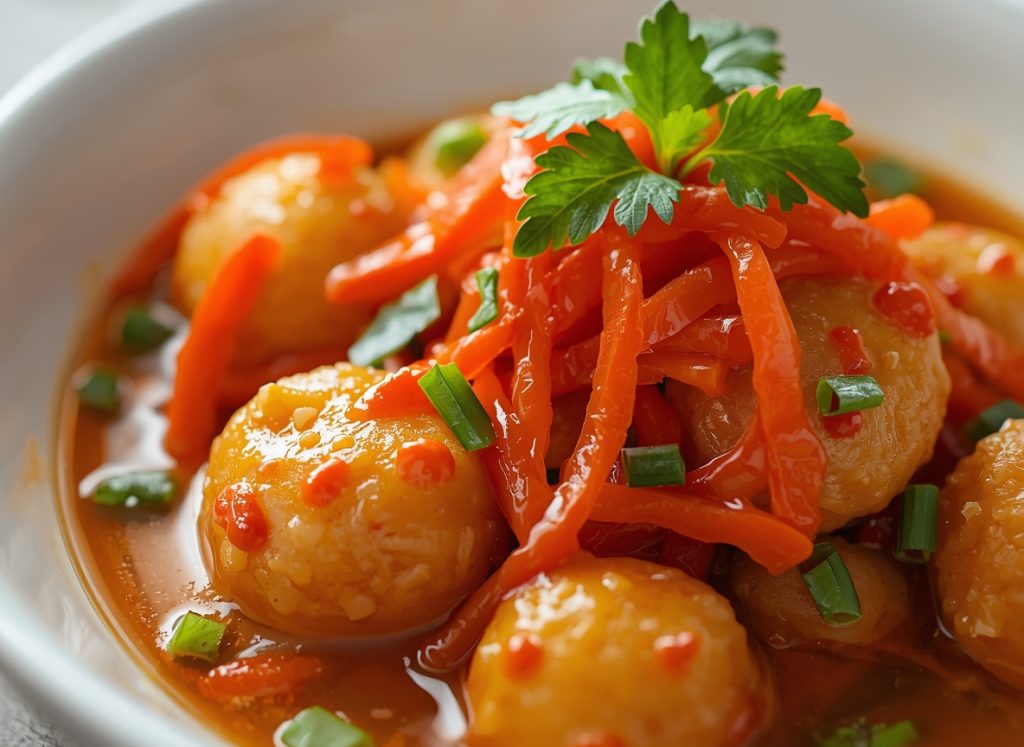

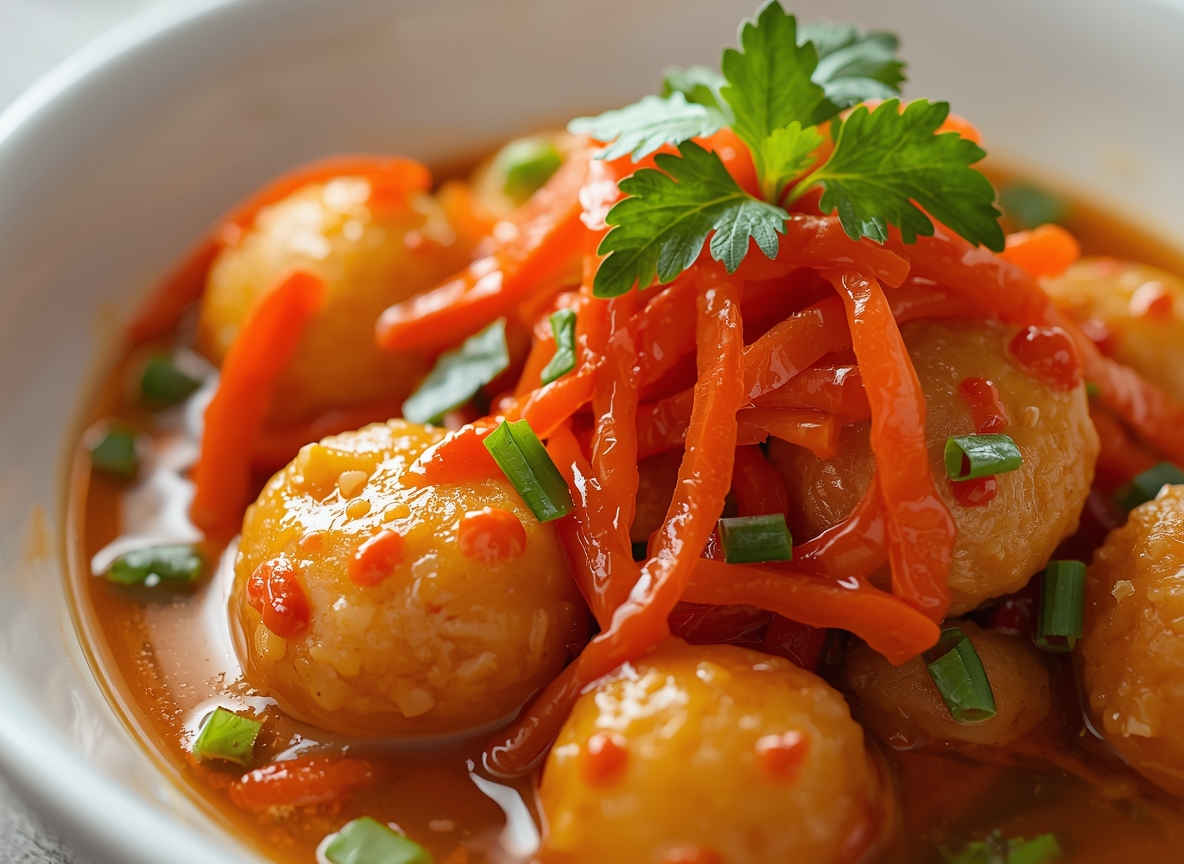
In the vibrant tapestry of Vietnamese cuisine, few dishes capture the essence of tradition and taste quiet like Bun Rieu. This tangy, aromatic noodle soup is more than just a meal-it’s a flavorful journey that dances on the palate, weaving together layers of history, culture, and culinary artistry. From its rich, tomato-infused broth to the delicate balance of crab, shrimp, and fresh herbs, Bun Rieu invites food lovers to explore a beloved classic that embodies Vietnam’s unique ability to transform simple ingredients into unforgettable flavors. Join us as we delve into the story behind this iconic dish and uncover the secrets that make Bun Rieu a celebrated staple across Vietnam and beyond.
Bun Rieu Vietnam is a luscious, tangy soup that enchants with its vibrant layers of flavor, steeped in centuries of culinary tradition from northern Vietnam.This beloved noodle soup masterfully balances the delicate sweetness of crab, the bright acidity of tamarind, and the earthy nuances of fermented shrimp paste, creating an unforgettable harmony of taste. My first encounter with Bun Rieu Vietnam was on a bustling Hanoi street, where the fragrant broth and fresh herbs instantly transported me to the heart of Vietnamese culture, inspiring me to recreate this masterpiece in my own kitchen.
Prep and Cook Time
- Readiness: 30 minutes
- Cooking: 1 hour 15 minutes
- Total Time: 1 hour 45 minutes
Yield
Serves 4 generous portions
difficulty Level
Medium – Perfect for home cooks eager to explore authentic Vietnamese flavors without feeling overwhelmed
Ingredients
- 200g fresh crab meat (or canned crab meat as a substitute)
- 150g ground pork
- 1 medium tomato, diced
- 2 tablespoons fermented shrimp paste (mắm tôm)
- 1 tablespoon tamarind paste
- 2 liters chicken or pork broth
- 200g rice vermicelli noodles (bún), soaked in warm water for 10 minutes
- 2 cloves garlic, minced
- 2 shallots, thinly sliced
- 1 teaspoon sugar
- 2 tablespoons vegetable oil
- 1 tablespoon fish sauce
- Fresh herbs for garnish: shredded Vietnamese perilla, chopped Thai basil, lime wedges, sliced scallions
- Optional: crispy fried tofu cubes, bean sprouts, chili slices
Instructions
- Make the crab-pork paste: In a bowl, combine the fresh crab meat, ground pork, half the minced garlic, and 1 tablespoon fish sauce. Mix until well incorporated. This mixture will add depth and texture to the broth.
- Prepare the broth base: Heat vegetable oil in a large pot over medium heat. Sauté the minced garlic and sliced shallots until fragrant and golden, about 3-4 minutes. Add the diced tomato and cook until softened, around 5 minutes.
- Add fermented shrimp paste and tamarind: Stir in the fermented shrimp paste and tamarind paste, cooking for 2 minutes to bloom their aromas into the base.
- Simmer the broth: Pour in 2 liters of your broth and bring to a gentle boil.
- Drop crab-pork balls into broth: Using a spoon, carefully form small balls from the crab-pork mixture and add them to the simmering broth. Let them cook for 10 minutes until firm and fully cooked.
- Season the soup: Add sugar, adjust salt and fish sauce to taste. Keep the broth at a gentle simmer while you prepare the noodles.
- Cook rice vermicelli: Drain the soaked rice vermicelli and blanch in boiling water for 1-2 minutes until tender. Drain and divide between serving bowls.
- Assemble and garnish: Ladle the hot soup over the noodles, making sure to include plenty of crab-pork balls and tomato chunks. Garnish generously with shredded Vietnamese perilla, thai basil, scallions, chili slices, and a squeeze of fresh lime for brightness.
Chef’s Notes: Tips for success
- For an umami boost, add a splash of dried shrimp water (soak dried shrimp in warm water for 10 minutes and strain) to the broth.
- If fresh crab meat is unavailable, canned crab canned in water is a suitable substitute without losing flavor.
- The fermented shrimp paste is the soul of this dish-choose a quality brand, or the broth will lose its authentic punch.
- Make the broth a day ahead; flavors intensify overnight and the soup tastes even richer.
- For a vegetarian variation, replace crab and pork with tofu and use vegetable stock, omitting the shrimp paste and fish sauce.
- Sifting the tamarind paste before adding ensures a smooth, pebble-free broth.
Serving Suggestions
Serve Bun Rieu Vietnam piping hot, accompanied by a platter of fresh herbs such as mint, perilla, and Thai basil, and also crisp bean sprouts. place lime wedges and thinly sliced chili on the side to allow diners to tailor the tartness and heat to their preference.For added texture contrast, offer crispy fried tofu cubes or thin slices of banana blossom. A bowl of steaming jasmine rice can be served alongside for a heartier meal. Enjoy with traditional Vietnamese iced tea or a crisp lager for a complete sensory experience.

| Nutrient | Per Serving |
|---|---|
| Calories | 420 kcal |
| Protein | 28 g |
| Carbohydrates | 42 g |
| Fat | 12 g |
for an immersive dive into Vietnamese culinary artistry, check out our detailed guide on Pho Vietnamese Noodle Soup. to understand more about the role of fermented shrimp paste in Southeast Asian cuisine, visit the authoritative Serious Eats analysis.
Q&A
Q&A: Bun Rieu Vietnam – A Flavorful Journey Through Tangy Tradition
Q1: What is Bun Rieu, and why is it considered a staple in Vietnamese cuisine?
A1: bun Rieu is a vibrant Vietnamese noodle soup known for its tangy, savory, and slightly sweet profile. At its heart lies a flavorful crab-based broth enriched with tomatoes and a balance of fragrant herbs and spices. It’s a staple because it encapsulates the essence of vietnamese cooking: harmony of flavors, freshness, and a celebration of local ingredients.
Q2: what are the key ingredients that give Bun Rieu its distinctive taste?
A2: The magic of bun Rieu comes from its combination of freshwater crab paste (or sometimes crab meat), tomatoes, rice vermicelli noodles, and a medley of toppings including fried tofu, congealed pig’s blood, and sometimes shrimp paste. Fresh herbs like cilantro, shredded banana blossom, and perilla add aromatic brightness, while a splash of fermented shrimp paste or fish sauce deepens the umami.
Q3: How does Bun Rieu reflect Vietnamese culture and culinary traditions?
A3: Bun rieu tells a story of resourcefulness and regional diversity. It originated from northern Vietnam but has variances throughout the country, showcasing how local ingredients and tastes shape a dish. The use of crab, a freshwater delicacy, combined with sour notes from tomatoes and tamarind, mirrors the Vietnamese palate’s love for balanced flavors. Its communal serving style also embodies Vietnamese social dining culture.
Q4: How is Bun rieu typically served and enjoyed?
A4: Served piping hot in a large bowl, Bun Rieu invites diners to customize each bite by adding fresh herbs, lime, chili, and sometimes shredded banana flower or bean sprouts. The tangy broth pairs beautifully with the chewy vermicelli and savory crab cakes or fritters,creating a multi-textured experience. it’s frequently enough enjoyed as a hearty breakfast or lunch, replete with side dishes and dipping sauces.
Q5: What makes Bun Rieu distinct from other Vietnamese noodle soups like Pho or Bun Bo Hue?
A5: whereas Pho is famed for its clear, aromatic beef broth and Bun Bo Hue for its spicy, lemongrass-infused beef soup, Bun Rieu stands out with its crab-based, tomato-infused sour broth. The tanginess and sweetness, combined with a unique combination of ingredients like crab paste and congealed blood, offer a flavor profile more complex and bold compared to the subtle elegance of Pho or the fiery kick of Bun Bo Hue.
Q6: Can Bun Rieu be adapted for vegetarian or modern dietary preferences?
A6: Absolutely! While traditional Bun Rieu relies on crab and pork blood,many modern adaptations substitute these with tofu,mushrooms,and vegetable broths that mimic the tangy umami essence. Creative chefs often experiment with tomato-based broths, seaweed for oceanic notes, and plant-based protein to honor the vibrant spirit of the dish while catering to diverse diets.
Q7: Where can one experience the most authentic Bun Rieu in Vietnam?
A7: The northern city of Hanoi is famed for its authentic Bun Rieu, especially in bustling street markets and dedicated noodle stalls where family recipes have been perfected over generations. Coastal regions also offer excellent variations that highlight fresh seafood.Seeking out local vendors during morning markets will often yield the most genuine and flavorful bowls.
Q8: What makes Bun Rieu a “flavorful journey through tangy tradition”?
A8: Bun Rieu is more than just a soup-it’s a culinary odyssey that marries the natural tang of tomatoes with the briny sweetness of crab, the earthiness of fresh herbs, and the warmth of carefully balanced spices.Each bite takes you through layers of tradition, culture, and regional history wrapped in a lively, intensely satisfying broth that awakens the senses and connects you to the heart of Vietnam.
The Way Forward
As the fragrant steam rises from a steaming bowl of Bun rieu,it carries with it centuries of vietnamese culinary heritage – a vibrant tapestry woven from tangy tomatoes,savory crab,and delicate rice noodles. This flavorful journey through Bun Rieu invites not only a feast for the senses but also a deeper recognition for the traditions that shape Vietnam’s rich food culture. Weather enjoyed on bustling street corners or in cozy family kitchens,Bun Rieu remains a testament to the artistry and soul of Vietnamese cuisine,reminding us that sometimes,the most memorable flavors tell the most enduring stories.