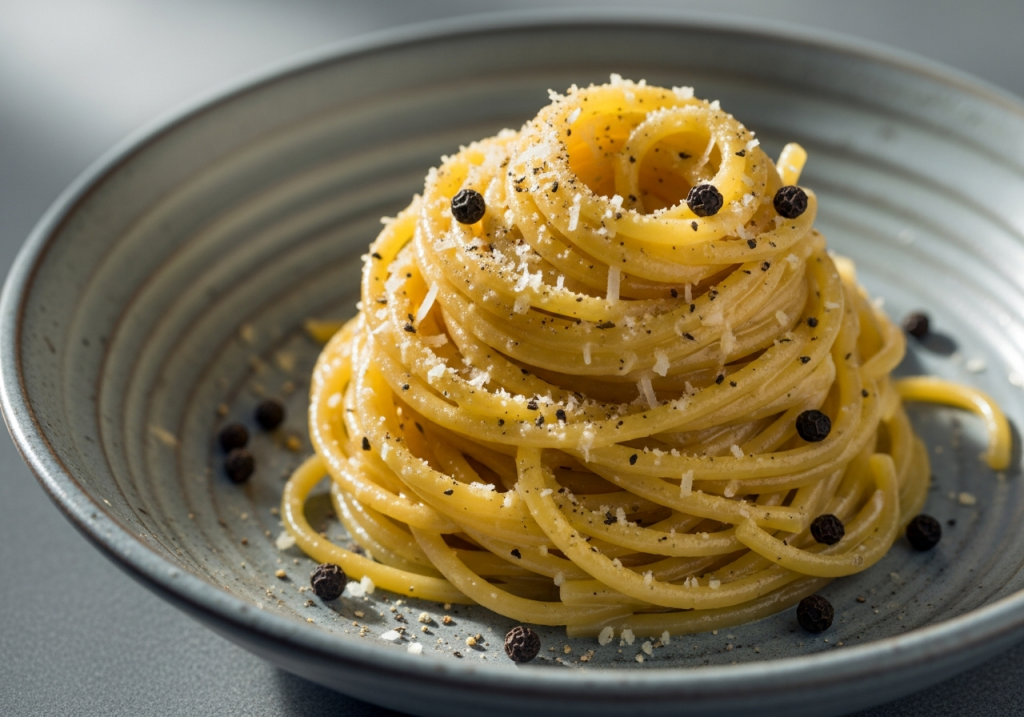

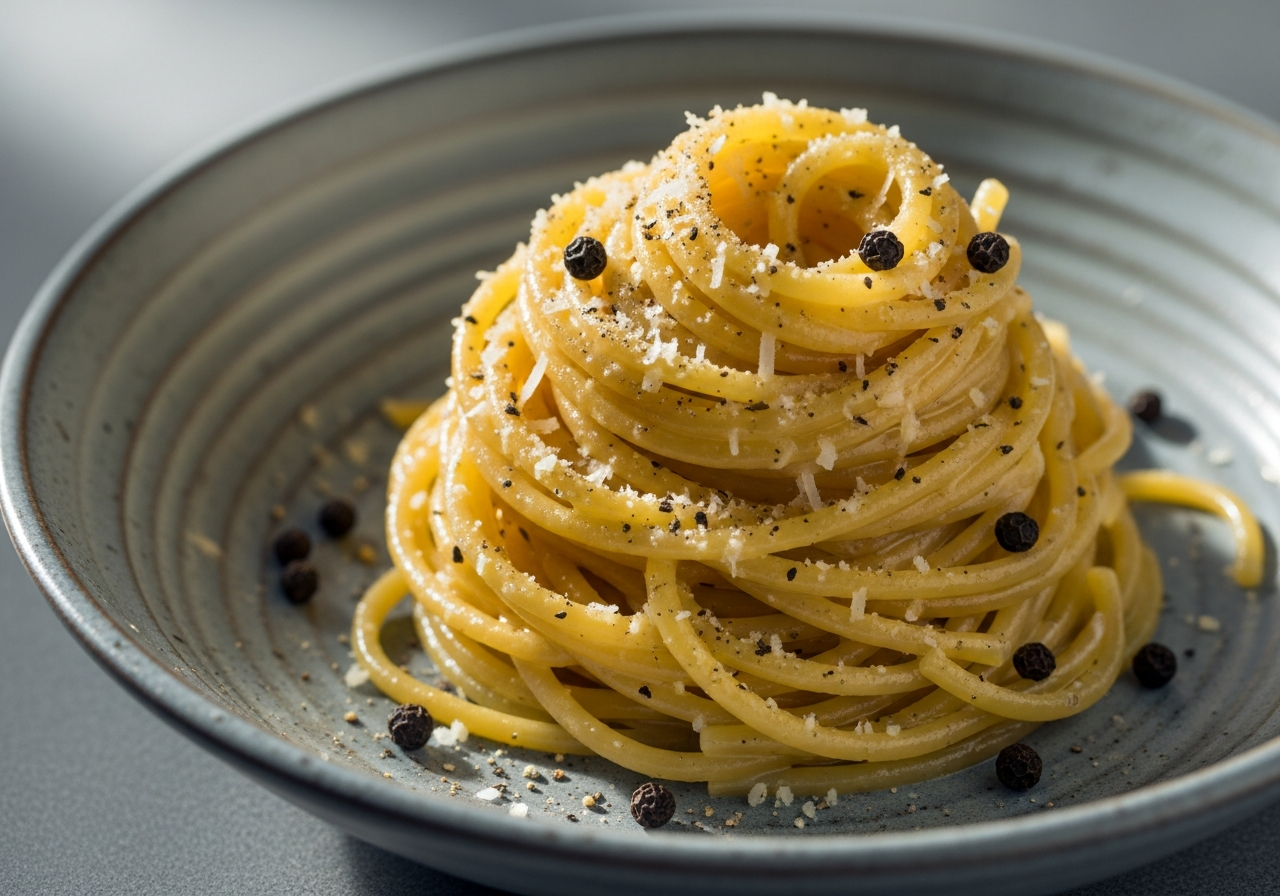
In the world of Italian cuisine, few dishes capture the essence of simplicity and flavor quite like Cacio e Pepe. Translating to “cheese and pepper,” this humble Roman pasta has charmed food lovers for generations with its minimal ingredients yet maximal taste. But what seems deceptively straightforward frequently enough trips up even seasoned home cooks searching for that perfectly creamy, peppery harmony. Fear not-this article is your ultimate guide to mastering Pasta Cacio e Pepe, a foolproof recipe that transforms pantry staples into a silky, mouthwatering classic.Whether you’re a curious novice or a pasta aficionado, prepare to elevate your culinary skills and savor the art of simplicity done right.
Choosing the Perfect Pasta and Cheese for Authentic Cacio e Pepe
Mastering Pasta Cacio e Pepe: The Ultimate Foolproof Recipe begins with the foundation: selecting the ideal pasta and cheese to capture the soul of this Roman classic. traditionally, spaghetti or tonnarelli are preferred for their ability to cradle the peppery, cheesy sauce. Thes long, slightly thicker strands allow the sauce to cling perfectly, ensuring every bite bursts with flavor.
When it comes to cheese, authentic Pecorino Romano is essential. Its sharp, tangy, and salty profile balances the heat of freshly cracked black pepper, elevating the dish to its full glory. Grate the cheese finely and keep it dry to avoid clumping when mixing with the hot pasta water.
Achieving the Ideal Sauce Emulsion and Texture Every Time
One of the secrets to Mastering Pasta Cacio e Pepe: The Ultimate Foolproof Recipe lies in perfecting the sauce’s silky emulsion. The magic happens when hot pasta water, rich with starch, meets melted cheese and freshly crushed pepper.
Start by reserving ample starchy pasta water before draining. Slowly incorporate small amounts of this hot water into the cheese off heat,stirring vigorously to create a creamy,velvety sauce. Avoid direct flame during this step to prevent cheese clumping or oil separation.
The consistency should cling luxuriously to each strand without becoming gluey or watery. This delicate balance is key to delivering that quintessentially smooth yet pepper-forward texture.
Tips for balancing Pepper Heat and Flavor Intensity
Black pepper is the heart of Cacio e Pepe, but its intensity must be artfully balanced. For the perfect kick, freshly cracked or coarsely ground black pepper works best, releasing vibrant oils and aroma.Toast the pepper lightly in the pan at the beginning to deepen its warmth and complexity.
If the heat feels overpowering, temper it with a splash of the starchy pasta water or a gentle hand on the cheese quantity. Remember, the interplay of salty Pecorino and spicy pepper is a dance-too much of one can overshadow the other.
Troubleshooting Common Cacio e Pepe Challenges with Expert Solutions
Even seasoned cooks face typical hurdles when making Cacio e Pepe. Here are speedy fixes to keep you on track as you master pasta cacio e pepe:
- Sauce is grainy or separated: This usually means direct heat caused cheese to seize. Remove from heat and whisk in reserved pasta water gradually to smooth out.
- Cheese clumping: Ensure cheese is finely grated and gradually incorporated with enough pasta water off-heat. Patience beats rushing!
- Sauce too thick or gluey: Add a little more hot pasta water to regain silky texture without dilution.
- Pepper too mild: Lightly toast or increase freshly cracked black pepper for robust aroma and heat.
Prep and Cook Time
- Preparation: 5 minutes
- Cooking: 10 minutes
- Total: 15 minutes
yield
Serves 2 generous portions
Difficulty Level
Easy to Medium
Ingredients
- 200g spaghetti (or tonnarelli)
- 1 cup finely grated Pecorino Romano cheese
- 2 teaspoons freshly cracked black pepper
- Salt (for pasta water)
- Reserved starchy pasta water, approximately 1 cup
Instructions
- Bring a large pot of salted water to a rolling boil. Add pasta and cook until al dente according to package instructions, usually about 8-9 minutes.
- While pasta cooks, toast the freshly cracked black pepper in a dry skillet over medium heat for 1-2 minutes, stirring constantly, until fragrant. Remove from heat.
- Reserve at least 1 cup of pasta water before draining the pasta.
- Return the peppered skillet to low heat. Add a few tablespoons of reserved pasta water, then add the drained pasta directly into the pan, tossing to coat in pepper-infused liquid.
- Remove pan from heat.Gradually sprinkle the finely grated Pecorino Romano over the pasta, stirring quickly and continuously to prevent clumps.
- Slowly add more reserved pasta water, a tablespoon at a time, stirring vigorously to create a creamy emulsion that coats each strand luxuriously.
- Continue tossing and adding water until the sauce reaches a smooth, glossy texture-rich but not runny.
- Serve immediately, garnishing with additional Pecorino and a sprinkle of cracked black pepper.
Chef’s Notes
- Use freshly cracked pepper for best flavor intensity and aroma.
- do not overheat the cheese; use residual heat to prevent separation.
- For gluten-free alternatives, try spaghetti made from rice or corn, adjusting water accordingly.
- Leftover cacio e Pepe can be gently reheated with a splash of pasta water to restore creaminess.
- Pair with a crisp white wine like Vermentino for a truly authentic experience-learn more at Wine Folly.
Serving Suggestions
Present your Cacio e Pepe elegantly on warm plates. Garnish with a light dusting of Pecorino, a flourish of cracked black pepper, and a few fresh parsley leaves for contrast.
Enhance the meal with a crisp green salad dressed lightly with lemon vinaigrette and a crusty rustic bread to sop up any leftover sauce.
| nutrient | Per Serving |
|---|---|
| Calories | 560 kcal |
| Protein | 22g |
| Carbohydrates | 75g |
| Fat | 16g |

Explore more italian pasta recipes to continue your culinary journey.
Q&A
Q&A: Mastering Pasta Cacio e Pepe: The Ultimate Foolproof Recipe
Q1: What exactly is Cacio e Pepe?
A1: Cacio e Pepe, literally translating to ”cheese and pepper,” is a classic Roman pasta dish that’s simplicity at its finest. It combines just a few humble ingredients-pecorino romano cheese, black pepper, pasta, and pasta water-to create a creamy, peppery sauce that cloaks each strand of pasta. It’s comfort food with a gourmet soul.
Q2: why is it so tricky to make Cacio e Pepe perfectly?
A2: The magic lies in technique. Achieving that luscious, silky sauce without clumps or dryness requires mastering the delicate balance of cheese, pasta water, and pepper. Too little water, and the sauce won’t emulsify; too much, and it becomes watery. Timing and temperature are also crucial to prevent the cheese from turning stringy or grainy.
Q3: Which type of pasta works best for Cacio e Pepe?
A3: Tradition favors long, thin noodles like spaghetti or tonnarelli, which hold the creamy sauce beautifully on their curves. Thick or short pastas can work,but the silky coating tends to cling better to slender strands,ensuring every bite bursts with flavor.
Q4: How do I make sure the pepper is perfectly toasted and fragrant?
A4: Toasting freshly cracked black pepper in a dry pan before adding it to your dish awakens its essential oils, enhancing the aroma and giving that signature peppery punch. Keep a close eye-pepper burns easily, so a quick toast for about 1-2 minutes until fragrant is ideal.
Q5: What’s the trick to achieving the signature creamy sauce without cream?
A5: The key is pasta water. Starchy, hot pasta water acts as the emulsifying agent, binding the finely grated pecorino and pepper into a creamy sauce. Gradually adding pasta water while tossing off the heat allows the cheese to melt gently rather than seize up, creating that perfect smooth texture.
Q6: Can I substitute Pecorino Romano with Parmesan?
A6: Pecorino Romano offers a sharper, saltier bite that’s essential to authentic Cacio e Pepe. While Parmesan is milder and creamier, using it will mellow the flavor profile. For a truly foolproof recipe, stick with Pecorino-you’ll taste the difference.
Q7: Any common mistakes to avoid when making Cacio e Pepe?
A7: Absolutely! Avoid dumping cold pasta water or cheese straight into the pasta, as this can lead to clumping.Don’t add oil or butter-it dilutes the purity of the dish. Also,be careful not to overcook your pasta; al dente is the way to go,lending just enough bite to balance the creamy sauce.
Q8: How can I elevate the dish without losing its simplicity?
A8: Add a twist with high-quality ingredients-use freshly cracked pepper, artisanal pecorino, and homemade pasta if possible.A dusting of extra pecorino on top or a drizzle of good olive oil finishes the dish with a flourish. Remember, the charm lies in minimalism done masterfully.
Q9: Is Cacio e Pepe suitable for weeknight dinners?
A9: Definitely! With just a handful of ingredients and under 20 minutes to prepare, Cacio e Pepe is a quick but impressive meal. Perfect for when you crave comfort but want to feel like a kitchen rockstar.
Q10: Where should I start if I’m a Cacio e Pepe novice?
A10: Start by mastering the simplest version-perfect your pasta cooking, get comfortable with toasting the pepper, and practice stirring in the cheese with the pasta water off the heat. Once you nail these steps, you’ll have unlocked the ultimate foolproof recipe for a timeless Roman classic. Buon appetito!
Future Outlook
With its simple ingredients and deceptively effortless preparation, mastering Cacio e Pepe is less about elaborate techniques and more about understanding the harmony between cheese, pepper, and pasta. Armed with this ultimate foolproof recipe, you’re now equipped to transform humble pantry staples into a dish that sings with authentic Roman flavor. Whether you’re cooking for yourself or impressing guests, let this classic pasta remind you that sometiems, the most extraordinary meals come from the simplest pleasures. So, tie on your apron, embrace the beauty of minimalism, and let each twirl of cacio e pepe celebrate the timeless art of Italian cooking. Buon appetito!