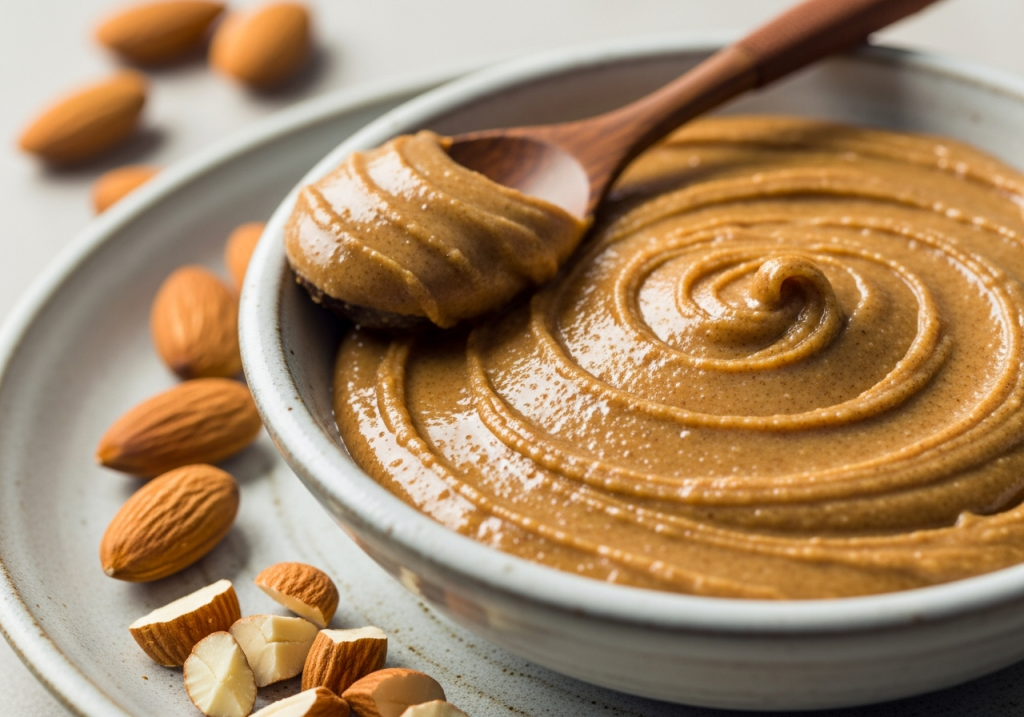

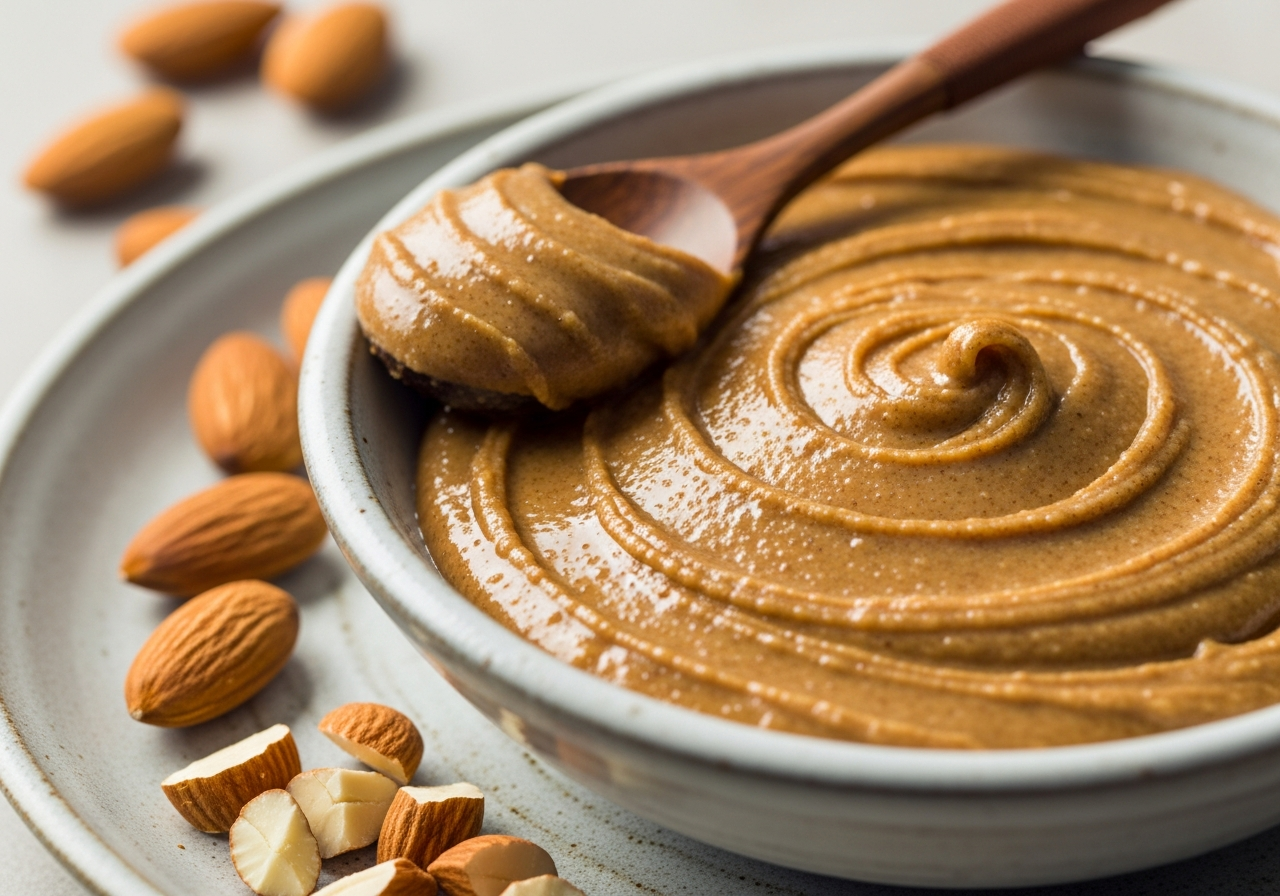
In the world of canine cuisine, few questions spark as much curiosity as the humble almond butter: is this creamy, nutty spread a wholesome snack for our furry friends, or a hidden hazard waiting to happen? As pet owners increasingly seek natural and wholesome treats, almond butter has slipped into the spotlight, tempting pups with its rich flavor and appealing texture. But before you reach for that jar, it’s essential to unravel the truth behind this popular pantry staple. In this article, we’ll explore the safety, benefits, and potential risks of almond butter for dogs-helping you decide whether this trendy treat belongs in your dog’s bowl or back on the shelf.
Almond butter for dogs strikes an intriguing balance between being a flavorful treat and a potentially risky indulgence for our furry friends. Rich in healthy fats, vitamins, and proteins, almond butter can seem like a nutritious snack, but understanding its nutritional profile and safe consumption guidelines is vital to keep your canine companion happy and healthy.
Prep and Cook Time
Prep Time: 5 minutes | Cook Time: 0 minutes (no cooking required)
Yield
Serves: Approximately 10 small treat portions
Difficulty Level
Easy
Ingredients
- 2 tablespoons unsweetened, unsalted almond butter (preferably natural and free of xylitol)
- 1/4 cup plain Greek yogurt (optional, for added probiotics)
- 1 teaspoon organic honey (optional for a mild sweetener safe for most dogs)
- 1/2 cup rolled oats, finely ground (optional for texture)
- A handful of finely chopped carrots or apple pieces (optional crunchy mix-in)
Instructions
- Start by ensuring your almond butter is free of additives like xylitol or large amounts of salt and sugar-thes can be hazardous to dogs.
- Mix the almond butter and Greek yogurt in a bowl until smooth. If you want a touch of natural sweetness, gently fold in the honey.
- Add the finely ground oats to the wet mixture to create a firm but pliable dough. This helps shape the treats and adds fiber.
- Gently fold in chopped carrots or apple pieces for a crunchy texture and added vitamins.
- Portion the mixture into small bite-sized balls or mold into fun shapes using silicone molds.Remember, size matters-keep portions bite-sized to prevent choking.
- Refrigerate the treats for at least 30 minutes to firm up before serving.
- Store leftovers in an airtight container in the fridge for up to 5 days or freeze for longer shelf life.
Chef’s Notes
- Always opt for natural almond butter without added sugars,salt,or sweeteners like xylitol,which is toxic to dogs.
- If your dog has a nut allergy or sensitive stomach, consider safe alternatives like sunflower seed butter or pumpkin-based treats.
- Introduce almond butter treats gradually to monitor for any adverse reactions such as vomiting or diarrhea.
- This recipe does not require cooking, keeping all nutrients intact while making it effortless for pet parents.
- For an even healthier boost, sprinkle a pinch of turmeric powder or add a few flaxseeds, known for their anti-inflammatory benefits.
Serving Suggestions
Serve these almond butter treats as a post-walk reward or training incentive. Present them atop a leafy bed of fresh spinach to add an appealing pop of green. Garnishing with a small carrot curl or apple slice creates visual contrast and invites your dog’s curiosity. For multi-dog households, label each serving to avoid overfeeding. Pair with fresh water to keep your pup hydrated and happy.

Understanding the Nutritional Impact of Almond Butter for Dogs
Almond butter offers a wealth of healthy monounsaturated fats, essential vitamins like vitamin E, magnesium, and a decent protein profile. However, unlike dog-specific foods, almond butter is calorie-dense and can pose digestive challenges if overfed. The natural oils help maintain a shiny coat and healthy skin, yet moderation is key to avoid weight gain or pancreatitis in predisposed dogs.
| Nutrient | Per 1 tbsp Almond Butter |
|---|---|
| Calories | 98 kcal |
| Protein | 3.4 g |
| Carbohydrates | 3 g |
| Fat | 9 g (mostly healthy fats) |
Potential Hazards and Symptoms of Almond Butter consumption in Dogs
Despite its benefits, almond butter carries risks such as gastrointestinal upset, pancreatitis, or choking hazards-especially when containing added sugars, salts, or sweeteners. Dogs can show symptoms like vomiting, diarrhea, lethargy, or signs of allergic reaction such as itching and swelling. In severe cases, ingestion of xylitol-laced nut butters can be fatal.
Keep emergency vet numbers handy and observe your dog after introducing new treats to catch any adverse reactions early.
Safe Serving Guidelines and Alternatives for Treating Your Dog
A safe serving of almond butter is typically no more than one teaspoon per 10 pounds of body weight per day. For smaller breeds, even less is advised. Limiting frequency to a few times weekly helps prevent calorie overload and digestion issues.
If almond butter doesn’t suit your dog’s needs, substitutes such as sunflower seed butter or pumpkin puree offer tasty and nutrient-rich alternatives without nut allergens.
Tips for Choosing Dog-Friendly Nut Butters and Incorporating Them into a Balanced Diet
- Read labels carefully – no xylitol, salt, sugar, or artificial additives allowed.
- Choose varieties with minimal ingredients: just nuts and possibly salt-free oils.
- Test for allergies by offering a tiny initial sample and wait 24 hours for any adverse signs.
- Mix nut butters with dog-safe fruits or veggies to naturally enhance palatability and nutrition.
- Balance treats as part of your dog’s full nutritional requirements, avoiding overdependence on any single snack.
For more expert advice on canine nutrition, visit the American Veterinary Medical Association.
Q&A
Almond Butter for Dogs: Safe Snack or Risky Treat? – Your Questions Answered
Q1: Can dogs safely eat almond butter?
A1: In moderation, plain almond butter without any added sweeteners, salt, or artificial ingredients can be a safe occasional treat for dogs. Almonds themselves aren’t toxic to dogs, but their tough texture can pose a choking hazard or cause digestive upset if given in whole form. Almond butter, being softer and spreadable, reduces that risk – but only when offered sparingly.
Q2: What should I look for when choosing almond butter for my dog?
A2: Opt for all-natural, unsweetened almond butter without added salt, sugar, or xylitol (a sweetener that’s extremely toxic to dogs). Check the ingredient list carefully to ensure there are no added oils or preservatives that could upset your pet’s tummy.
Q3: Why is xylitol hazardous for dogs?
A3: Xylitol is a sugar substitute found in some nut butters and sugar-free products. Even small amounts can cause a rapid drop in blood sugar, seizures, liver failure, and potentially be fatal. Always double-check labels to avoid accidental poisoning.
Q4: How much almond butter can I give my dog?
A4: Keep it tiny-a pea-sized dollop for small dogs and no more than a tablespoon for larger breeds,as an occasional treat. Too much fat-rich almond butter can cause digestive issues like diarrhea or, rarely, pancreatitis.
Q5: Are there nutritional benefits to almond butter for dogs?
A5: Almond butter contains healthy fats, protein, vitamin E, and fiber, which can support coat health and energy levels. However,dogs generally get all they need from a balanced diet,so almond butter should be a treat,not a staple.
Q6: What signs mean my dog shouldn’t have almond butter?
A6: If your dog has a history of food allergies, pancreatitis, or a sensitive stomach, it’s best to skip almond butter. After first offering a tiny amount, watch for vomiting, diarrhea, itching, or swelling, and consult your vet if any symptoms arise.
Q7: Can almonds or almond butter cause choking or other physical dangers?
A7: Whole almonds are hard and can be a choking hazard or cause intestinal blockage, especially in small dogs. Almond butter’s creamy texture minimizes this risk, but it’s still wise to keep portions small.
Q8: How does almond butter compare to peanut butter for dogs?
A8: Both almond and peanut butters can be safe treats in moderation if free of xylitol. Peanut butter tends to be more commonly given and sometimes better tolerated, but almond butter may appeal to dogs with peanut allergies or owners seeking variety.
Q9: What’s the bottom line about almond butter for dogs?
A9: Almond butter can be a safe and tasty occasional treat if it’s pure, free from harmful additives, and offered in small amounts. Always prioritize your dog’s overall diet, and consult your veterinarian before introducing new foods.
In short: Almond butter isn’t a hazardous forbidden fruit, but it’s no everyday snack either.Treat it as a rare delight-a creamy dollop of care and caution for your furry friend.
Closing Remarks
while almond butter may seem like a tempting treat to share with your furry friend, it’s vital to weigh the benefits against the risks. Moderation, ingredient awareness, and your dog’s unique dietary needs are key to keeping snack time both safe and enjoyable. So next time you reach for that almond butter jar, remember: a cautious approach ensures your pup’s tail keeps wagging happily-because when it comes to canine treats, it’s better to be safe than sorry.