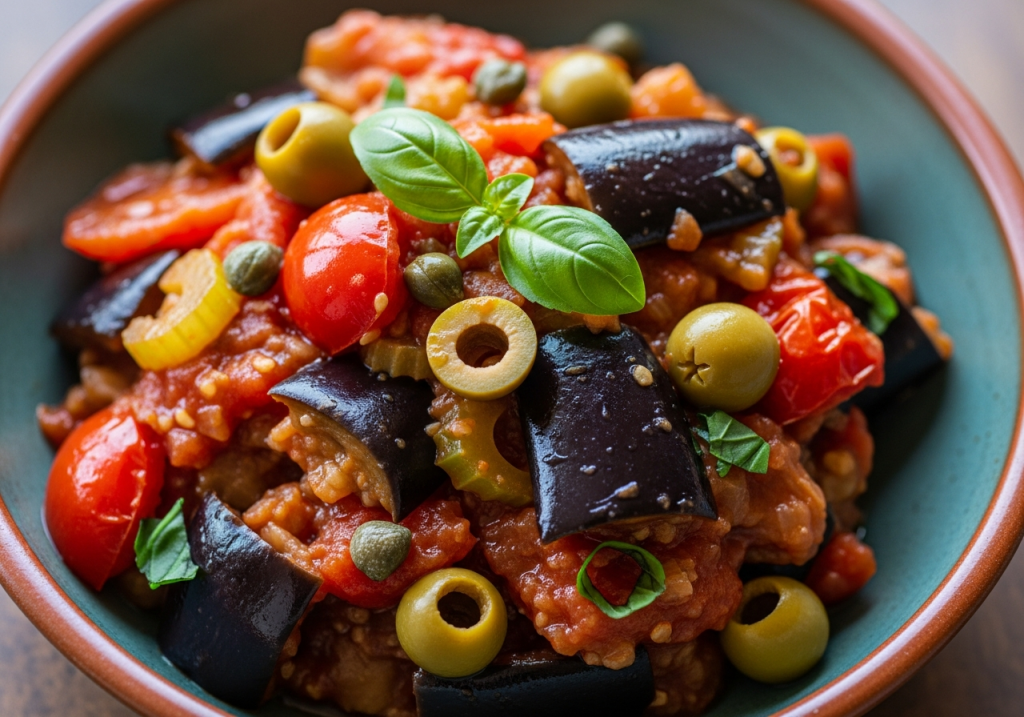

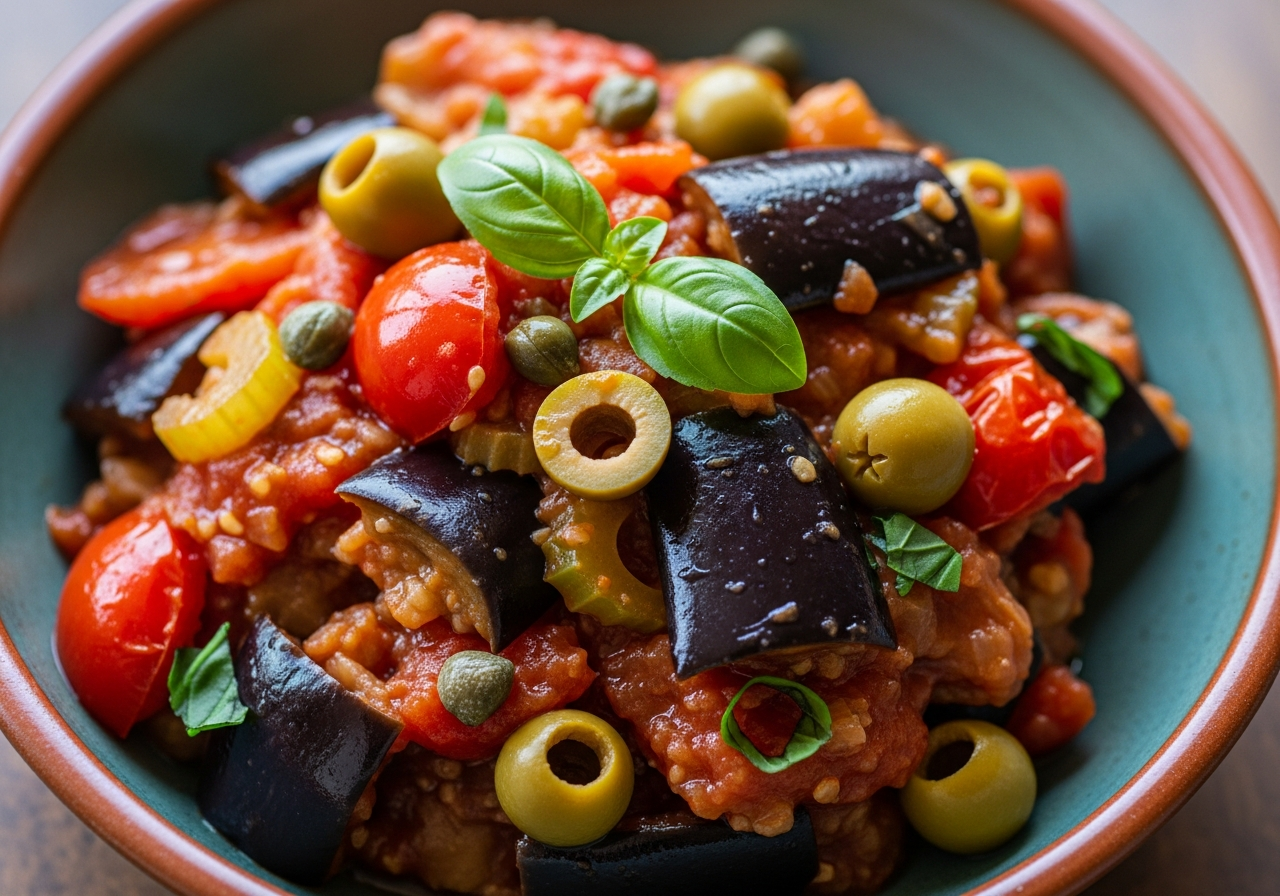
Nestled along the sun-kissed coasts of the Mediterranean, Sicily is a vibrant tapestry of flavors, colors, and traditions-each telling a story of the island’s rich culinary heritage. Among its many renowned dishes, eggplant caponata stands out as a tangy, sweet, and savory symphony that captures the very essence of Sicilian cuisine. In this article, we’ll journey into the heart of sicily’s kitchens to craft the ultimate eggplant caponata recipe. Whether you’re an adventurous home cook or a seasoned foodie, get ready to savor a dish that’s more than just a recipe-it’s a celebration of culture, community, and the timeless art of flavor.
Savor Sicily: Crafting the Ultimate Eggplant Caponata Recipe invites you on a sensory journey to the heart of Sicilian kitchens-a dish that tells a story of vibrant culture, Mediterranean sun, and centuries-old culinary traditions. This beloved sweet-and-tangy eggplant relish has been a Sicilian staple, celebrated for its ability to capture the island’s bounty in every bite. Whether enjoyed as a bruschetta topping or a colorful side dish,mastering eggplant caponata means embracing a symphony of textures and flavors that have delighted locals and travelers alike.
Prep and Cook Time
- Preparation Time: 20 minutes
- Cooking Time: 40 minutes
- Total Time: 1 hour
Yield
Serves 6 as an appetizer or side dish
Difficulty Level
Medium - ideal for cooks pleasant with sautéing and balancing flavors
Ingredients
- 2 medium eggplants (about 1.5 pounds), cut into 1-inch cubes
- 1/4 cup extra virgin olive oil, plus extra for finishing
- 1 medium onion, finely chopped
- 2 celery stalks, diced
- 3 ripe Roma tomatoes, peeled and chopped
- 1/3 cup green olives, pitted and sliced
- 2 tablespoons capers, rinsed and drained
- 1/4 cup red wine vinegar
- 2 tablespoons sugar
- 1/4 cup pine nuts, toasted
- Salt and freshly ground black pepper, to taste
- Fresh basil leaves, torn, for garnish
Step-by-Step Guide to Achieving the Perfect Balance of Sweet and Tangy
- Prepare the eggplant: Sprinkle the eggplant cubes with salt and place them in a colander for 30 minutes to draw out excess moisture and bitterness. Rinse well and pat dry with kitchen towels.
- Sauté the vegetables: Heat olive oil in a large skillet over medium heat. Add the chopped onion and celery, sautéing until softened and translucent, about 7 minutes.
- Cook the eggplant: Add prepared eggplant cubes and cook, stirring frequently, until golden and softened, 10-12 minutes. Avoid overcrowding to ensure even browning.
- Add tomatoes and flavor boosters: Stir in the chopped tomatoes, olives, and capers. Cook for another 10 minutes until the tomatoes break down into a luscious sauce.
- Balance sweetness and acidity: In a small bowl, whisk together the red wine vinegar and sugar until dissolved. Pour over the vegetable mixture and continue cooking for 5 minutes, allowing the flavors to meld into that signature sweet and tangy harmony.
- Finish with texture and seasoning: Stir in toasted pine nuts, then season generously with salt and pepper. Remove from heat and let the caponata cool to room temperature; it will deepen in flavor as it rests.
Expert Tips for Serving and Pairing Your Eggplant Caponata with Mediterranean Dishes
Serve your eggplant caponata at room temperature or chilled-its complex flavor profile pairs beautifully with crusty bread, grilled fish, or roasted meats. For a vibrant Mediterranean table, garnish with fresh basil leaves and a drizzle of high-quality olive oil. Consider pairing caponata with Mediterranean Grilled Lamb or alongside an assortment of Sicilian cheeses like pecorino or ricotta salata. For beverages, a crisp Sicilian white wine such as Grillo or a chilled Vermentino complements the dish’s acidity and richness perfectly.
Chef’s Notes
- Ingredient Variations: While eggplant is the star,you can add diced bell peppers or zucchini for additional texture.
- Make Ahead: Caponata tastes even better the next day; refrigerate in an airtight container for up to 3 days.
- Vegan and Gluten-Free: This recipe is naturally vegan and gluten-free, making it accessible for varied diets.
- prevent sogginess: Salt and drain your eggplant well before cooking to avoid a mushy final texture.
- Balance Tip: Adjust the sugar and vinegar to your palate; a touch more vinegar adds brightness, while extra sugar deepens the sweet notes.
| Nutritional Info (per serving) | Amount |
|---|---|
| Calories | 180 kcal |
| Protein | 3 g |
| Carbohydrates | 15 g |
| Fat | 12 g |

For those curious about the deep culinary heritage behind this dish, the Encyclopedia Britannica’s comprehensive article on Caponata offers an authoritative glimpse into its history and regional variations.
Q&A
Q&A: Savor Sicily - Crafting the Ultimate Eggplant Caponata Recipe
Q1: What makes Sicilian eggplant caponata so special compared to other Mediterranean eggplant dishes?
A1: Sicilian eggplant caponata is not just a dish; it’s a flavorful story told through layers of sweet, sour, and savory notes. unlike other Mediterranean eggplant recipes, caponata masterfully marries fried eggplant with tangy tomatoes, briny olives, pine nuts, and a sharp splash of vinegar, all simmered to a harmonious balance. It’s Sicily on a plate-bold,vibrant,and bursting with history.
Q2: Which type of eggplant is ideal for authentic caponata?
A2: The star of caponata is typically the small,purple globe eggplant,known for its tender flesh and relatively low bitterness. Sicilian “violetta” varieties are notably prized. Thier firm skin holds up during frying, ensuring the perfect texture: crispy on the outside, silky inside-a necessary contrast to the stewed vegetables and tangy sauce.
Q3: How critically importent is the frying step, and are there alternatives?
A3: Frying the eggplant until golden and slightly crisp is key to achieving the iconic texture that sets caponata apart. The eggplant absorbs flavor but doesn’t become mushy. While traditionalists swear by frying in olive oil, some modern cooks opt for roasting or sautéing for a lighter version. However, these methods may sacrifice that classic richness and mouthfeel.
Q4: What role does sweet and sour flavor play in the dish?
A4: The sweet and sour combination is caponata’s heartbeat. A splash of vinegar brings brightness and tang, cutting through the richness of fried eggplant. A touch of sugar or sometimes raisins tempers acidity,adding warmth and subtle sweetness. This balance reflects Sicilian cuisine’s multicultural roots, blending Arab, Spanish, and Italian influences into a harmonious taste experience.
Q5: Can caponata be served hot, or is it traditionally a cold dish?
A5: Caponata is delightfully versatile. While you can enjoy it warm off the stove, it’s traditionally served at room temperature or chilled as an antipasto. This allows the flavors to meld and deepen, similar to a fine wine. Many Sicilians prepare it a day ahead, letting time transform the dish into a complex, luscious medley.
Q6: What’s a perfect accompaniment or pairing for eggplant caponata?
A6: Caponata shines as a vibrant starter atop crusty bread or as a side dish alongside grilled fish or roasted meats. It also pairs beautifully with a chilled glass of Sicilian white wine like Grillo or a light red such as Nero d’Avola, which complement the dish’s tangy and earthy tones.
Q7: Are there any secret ingredients or regional variations worth exploring?
A7: Absolutely! Some Sicilian cooks sprinkle in pine nuts or chopped almonds for crunch, or currants for a pop of sweetness. Others add celery for extra texture or capers to elevate brininess. Each household has its treasured twist, so don’t hesitate to experiment-caponata is as much a personal expression as it is indeed a traditional dish.
Q8: How can home cooks ensure their caponata has the perfect balance and texture?
A8: patience and attention to technique are crucial. Use fresh,firm eggplant and avoid overcrowding the pan during frying to prevent sogginess.Taste the sauce throughout cooking,adjusting vinegar and sugar gradually. Remember, caponata improves with resting, so don’t rush serving-it’s a dish that rewards time.
Dive into the heart of Sicily with every spoonful of caponata-where rustic tradition and vibrant flavors create a culinary masterpiece. Happy cooking, and buon appetito!
In Summary
As the vibrant flavors of Sicily settle on your palate, crafting the ultimate eggplant caponata becomes more than just a recipe-it’s a journey into the heart of Mediterranean tradition. With each bite, you’re embracing centuries of culture, sun-soaked landscapes, and the delicate dance of sweet and tangy that defines this iconic dish. Whether served as a crisp appetizer, a savory side, or a centerpiece in your culinary repertoire, your homemade caponata invites you to savor the essence of Sicily, one flavorful spoonful at a time. So gather your freshest ingredients, channel your inner chef, and let the rustic charm of this timeless recipe transform your kitchen into a Sicilian trattoria. Buon appetito!