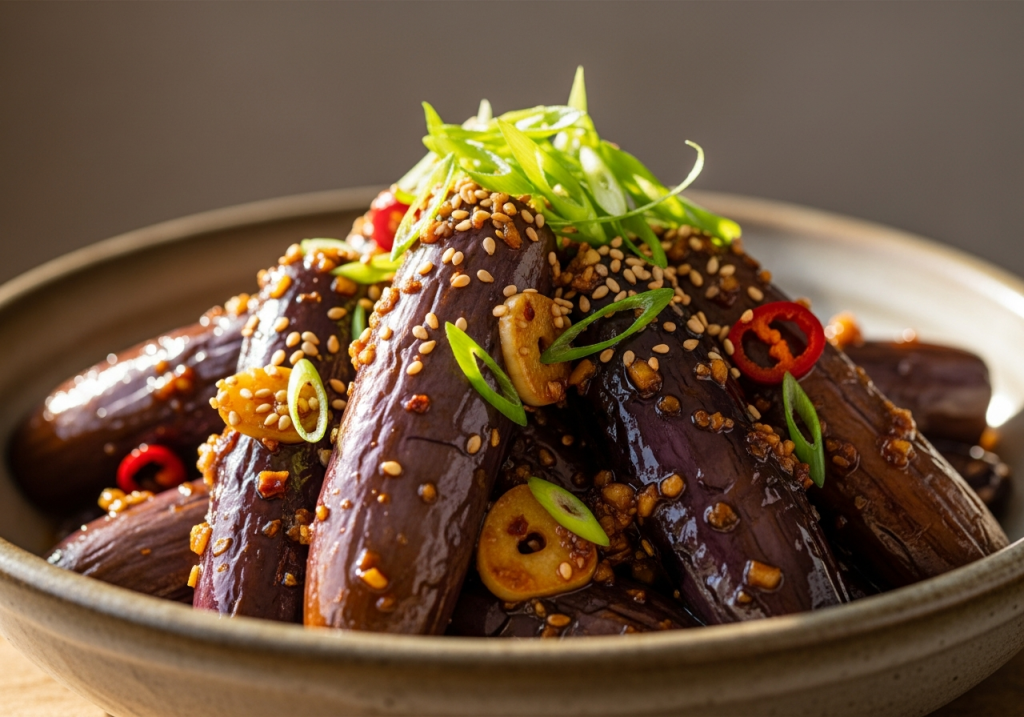

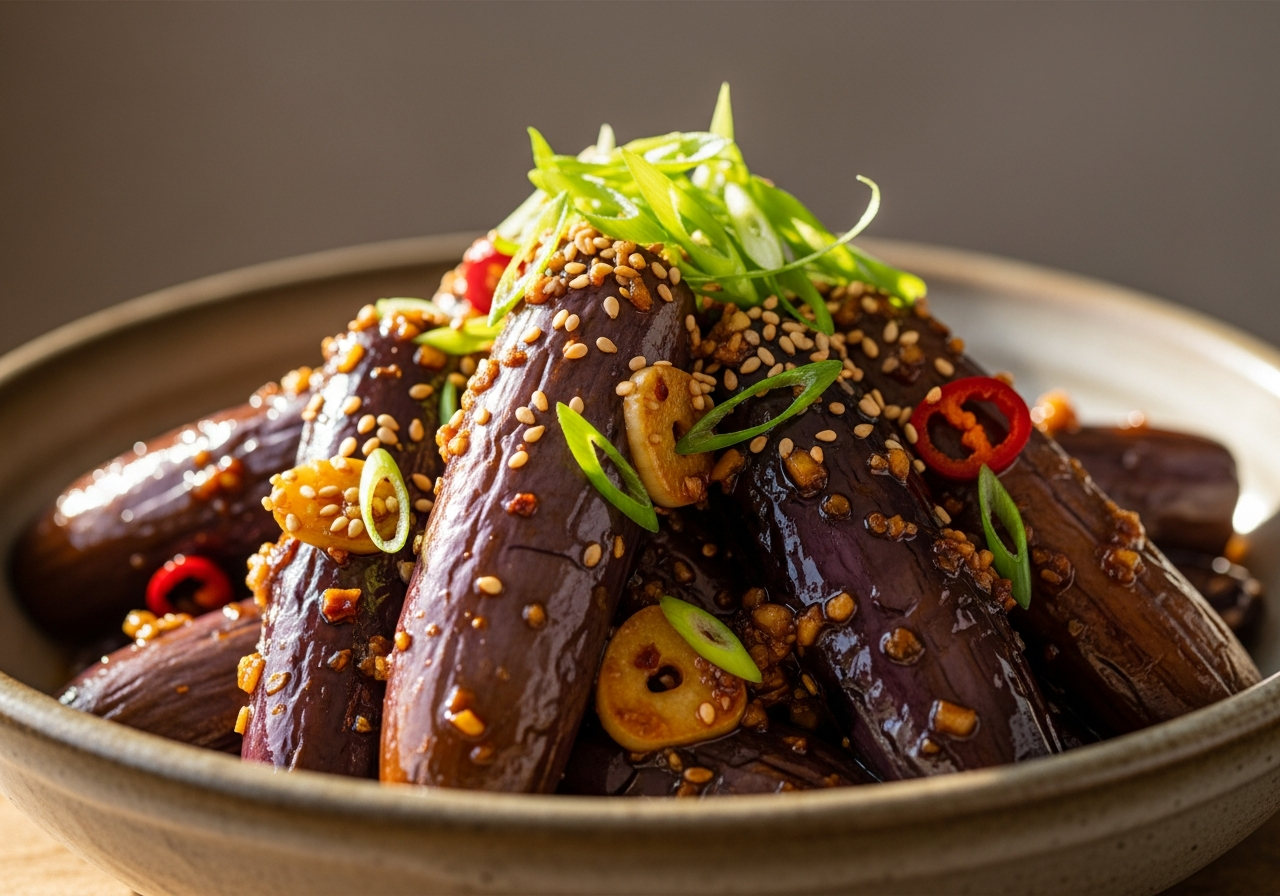
In the vibrant world of culinary delights, few dishes capture the essence of bold flavors quite like szechuan eggplant. This beloved staple of Sichuan cuisine masterfully weaves together the fiery kick of chili peppers with a subtle touch of sweetness, creating a harmonious dance on the palate that’s both daring and comforting. In “Bold flavors Unveiled: Sweet & Spicy Szechuan Eggplant Guide,” we embark on a flavorful journey to uncover the secrets behind this tantalizing dish-exploring its rich history, key ingredients, and expert techniques to help you recreate the perfect balance of heat and sweetness in yoru own kitchen. Prepare to awaken your senses and transform simple eggplant into a vibrant symphony of taste that’s as bold as it is unforgettable.
Exploring the Rich Roots of Szechuan Cuisine
Bold Flavors Unveiled: Sweet & Spicy Szechuan Eggplant opens a gateway to the vibrant culinary world of Szechuan cooking, renowned for its bold yet intricate balance of flavors. This iconic dish hails from China’s Sichuan province,a region whose cuisine celebrates the marriage of fiery heat,numbing spice,sweet undertones,and savory depth. My first encounter with Szechuan eggplant was a revelation-a silky, tender vegetable swimming in a glossy sauce that bursts with layers of sweet, spicy, and umami notes. the magic lies not just in the peppers or soy but in the harmony of ingredients, creating a symphony on your palate that’s both comforting and exciting.
Prep and Cook Time
- Planning: 15 minutes
- Cooking: 20 minutes
- Total Time: 35 minutes
Yield
Serves 4 as a main or 6 as a side dish
Difficulty Level
Medium – Perfect for adventurous home cooks ready to master authentic Szechuan technique
Ingredients
- 3 medium Chinese eggplants, cut into 2-inch batons (preferably the slender, deep purple variety for tenderness)
- 3 tablespoons vegetable oil (peanut oil recommended for its high smoke point and subtle flavor)
- 4 garlic cloves, finely minced
- 1 tablespoon fresh ginger, grated
- 3 scallions, sliced thinly (white and green parts separated)
- 2 tablespoons doubanjiang (fermented chili bean paste) – the heart of authentic Szechuan flavor
- 1 tablespoon soy sauce, light
- 1 tablespoon Chinese black vinegar (or substitute balsamic vinegar)
- 2 tablespoons sugar (adjust based on sweetness desired)
- ½ cup chicken broth or vegetable broth for vegan option
- 1 teaspoon cornstarch mixed with 2 tablespoons water (for thickening)
- 1 teaspoon toasted Szechuan peppercorns, ground (for that signature numbing finish)
- Optional garnish: fresh cilantro leaves and crushed roasted peanuts
Instructions
- Prepare the eggplant: Rinse and pat dry the eggplants. to avoid bitterness and sogginess, lightly salt the pieces and let them sit for 10 minutes, then rinse and pat dry again.
- heat 2 tablespoons of vegetable oil in a large skillet or wok over medium-high heat. Add the eggplants in batches if necessary and sauté until golden and tender, about 7-8 minutes. Remove and set aside.
- In the same pan, add the remaining 1 tablespoon of oil. Toss in the minced garlic, grated ginger, and white parts of scallions. Stir-fry until fragrant, about 1 minute, ensuring aromatics don’t burn.
- Add 2 tablespoons of Doubanjiang and stir continuously until the oil turns a rich red, releasing the paste’s robust aroma – about 30 seconds.
- Pour in the chicken broth, soy sauce, vinegar, and sugar. Stir well to dissolve the sugar, then let the mixture come to a simmer.
- Return the sautéed eggplants to the pan. Gently toss to coat the eggplant evenly in the sauce. Simmer for 3-5 minutes, allowing the flavors to deepen.
- Give the cornstarch slurry a quick stir and slowly add to the pan, stirring constantly until the sauce thickens to a luscious glaze.
- Sprinkle the ground Szechuan peppercorns over the dish, followed by the green parts of the scallions. Toss lightly.
- Transfer to a serving platter, garnish with fresh cilantro and crushed peanuts for a delightful contrast in texture.
- Serve immediately with fluffy steamed jasmine rice or your favorite noodles.
Chef’s Notes and Tips for Success
- Choosing eggplant: Chinese eggplants are preferred for their thin skin and tender flesh, which absorb sauces beautifully. If unavailable, slender Japanese eggplant works well too. Avoid globe eggplant-they’re often denser and less silky.
- Balancing Sweet and Spicy: Doubanjiang is salty and spicy, so adjust sugar gradually to find your perfect sweet-spicy balance. Taste as you go!
- Controlling Oil: eggplant soaks oil like a sponge. Blanch the eggplant in boiling water for 2-3 minutes to reduce oil absorption, or use an air-fryer for a lighter version.
- Doubanjiang Substitution: If Doubanjiang is unavailable, try a blend of chili garlic sauce with a teaspoon of miso paste for umami complexity, but authenticity will be slightly compromised.
- Make-Ahead Tip: Prepare the sauce separately and sauté the eggplant fresh to retain texture. Reheat gently in the sauce before serving.
serving Suggestions
For an authentic experience, serve with steamed jasmine rice or fragrant brown rice to soak up the sweet and spicy sauce. Pair this dish with a simple stir-fried green vegetable like garlic bok choy or Chinese broccoli. A light cucumber salad with vinegar and sesame seeds offers a refreshing counterpoint to the rich dish. Garnishing with fresh cilantro and roasted peanuts adds a pop of color and crunchy texture, elevating both visual appeal and flavor complexity.

| Nutrient | Per Serving |
|---|---|
| Calories | 220 kcal |
| Protein | 5 g |
| Carbohydrates | 18 g |
| Fat | 14 g |
To deepen your exploration into Szechuan cuisine, check out our Szechuan Hot Pot recipe-another vibrant dish that captures the essence of this region’s culinary prowess.
For further reading on the ingredients and history of Doubanjiang, visit the Serious eats feature on Doubanjiang.
Q&A
Q&A: Bold Flavors Unveiled – Your Sweet & spicy Szechuan Eggplant Guide
Q1: What makes Szechuan eggplant uniquely bold in flavor?
A1: Szechuan eggplant’s boldness lies in the marriage of fiery chili, numbing Szechuan peppercorns, and a touch of sweetness. This triumvirate creates a rollercoaster of tastes-a dance between heat, tang, and subtle sweetness that awakens your palate with every bite.
Q2: Why use eggplant as the star ingredient in this dish?
A2: Eggplant’s sponge-like texture is a flavor magnet. It soaks up the rich, spicy-sweet sauce while offering a silky, tender bite. Its mild earthiness perfectly balances the complexity of the sauce, making it an ideal canvas for Szechuan boldness.
Q3: How do sweet and spicy elements complement each other in this recipe?
A3: The sweetness tempers the intense heat, providing a cooling counterpoint that rounds out the sharpness of chili and peppercorns. This yin-yang of flavors creates a harmonious blend-never overpowering, always intriguing.
Q4: Can you describe the role of Szechuan peppercorns in this dish?
A4: Szechuan peppercorns deliver a unique, tingly numbness known as “má,” which heightens the sensory experience. It’s not just heat-it’s a playful buzz that adds depth and complexity, elevating the dish beyond typical spicy fare.
Q5: What cooking tips help perfect the texture of Szechuan eggplant?
A5: For the perfect silky texture, salt the eggplant slices beforehand to draw out moisture and prevent greasiness. Then, frying or roasting until tender but slightly caramelized locks in flavor and adds a pleasant bite to contrast the sauce.
Q6: Is this dish adaptable for different spice levels?
A6: Absolutely! Adjust the amount of chili paste or fresh chilies to match your heat tolerance. For a milder version, reduce the chilies and boost the sweetness or add a splash of soy for richness without the burn.
Q7: What are ideal pairings or accompaniments for Szechuan eggplant?
A7: This dish shines alongside steamed jasmine rice or delicate garlic noodles. Pair it with crisp stir-fried greens or cooling cucumber salad to balance the spice and texture-creating a well-rounded,satisfying meal.
Q8: Can Szechuan eggplant be made vegan or gluten-free?
A8: Yes! Most recipes are naturally vegan, using plant-based sauces. For gluten-free, substitute soy sauce with tamari or coconut aminos. The magic of sweet and spicy Szechuan eggplant remains vibrant without compromise.
Q9: How does this dish reflect Szechuan cuisine’s philosophy?
A9: It embodies Szechuan cuisine’s love for bold contrasts-spicy and sweet, soft and crisp, pungent and refreshing. It’s a party of balance and intensity, inviting adventurous eaters to savor every exciting layer.
Q10: What inspired the popularity of sweet & spicy Szechuan eggplant outside China?
A10: Its irresistible flavor combination and accommodating texture make it a crowd-pleaser worldwide. It’s approachable yet exotic, offering a gateway into authentic Szechuan cooking for home chefs eager to explore thrilling taste frontiers.
Insights and Conclusions
As the final bite of your Sweet & Spicy Szechuan Eggplant lingers on the palate, you’ll realize that this dish is more than just a meal-it’s a vibrant journey through layers of bold, unforgettable flavors. The interplay of fiery chilies,aromatic Szechuan peppercorns,and the subtle sweetness that balances them creates a symphony that dances on the tongue. Armed with this guide, you’re now ready to bring these dynamic tastes into your own kitchen, transforming humble eggplant into an remarkable culinary experience. So go ahead-embrace the boldness,savor the spice,and let your taste buds embark on a flavorful adventure that speaks volumes without saying a word.