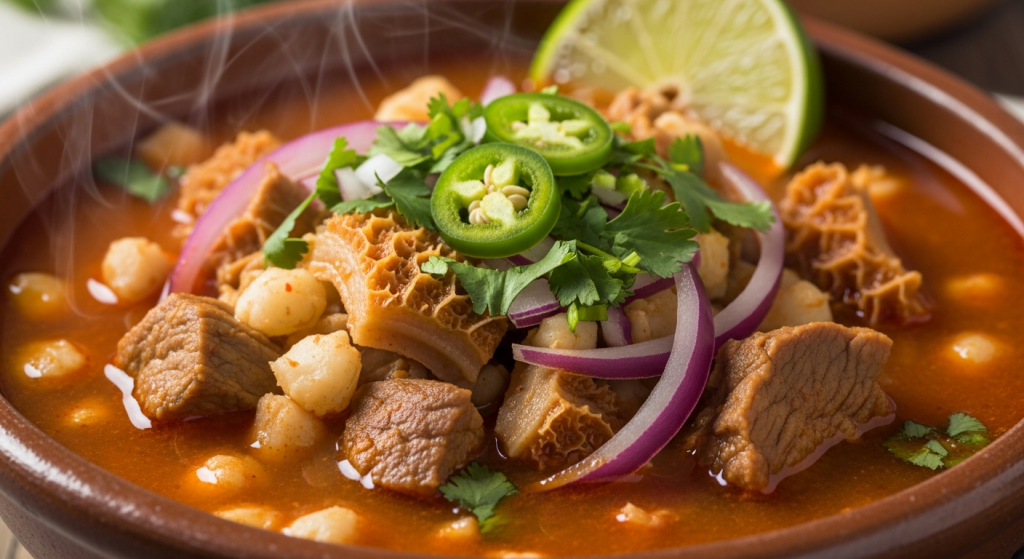

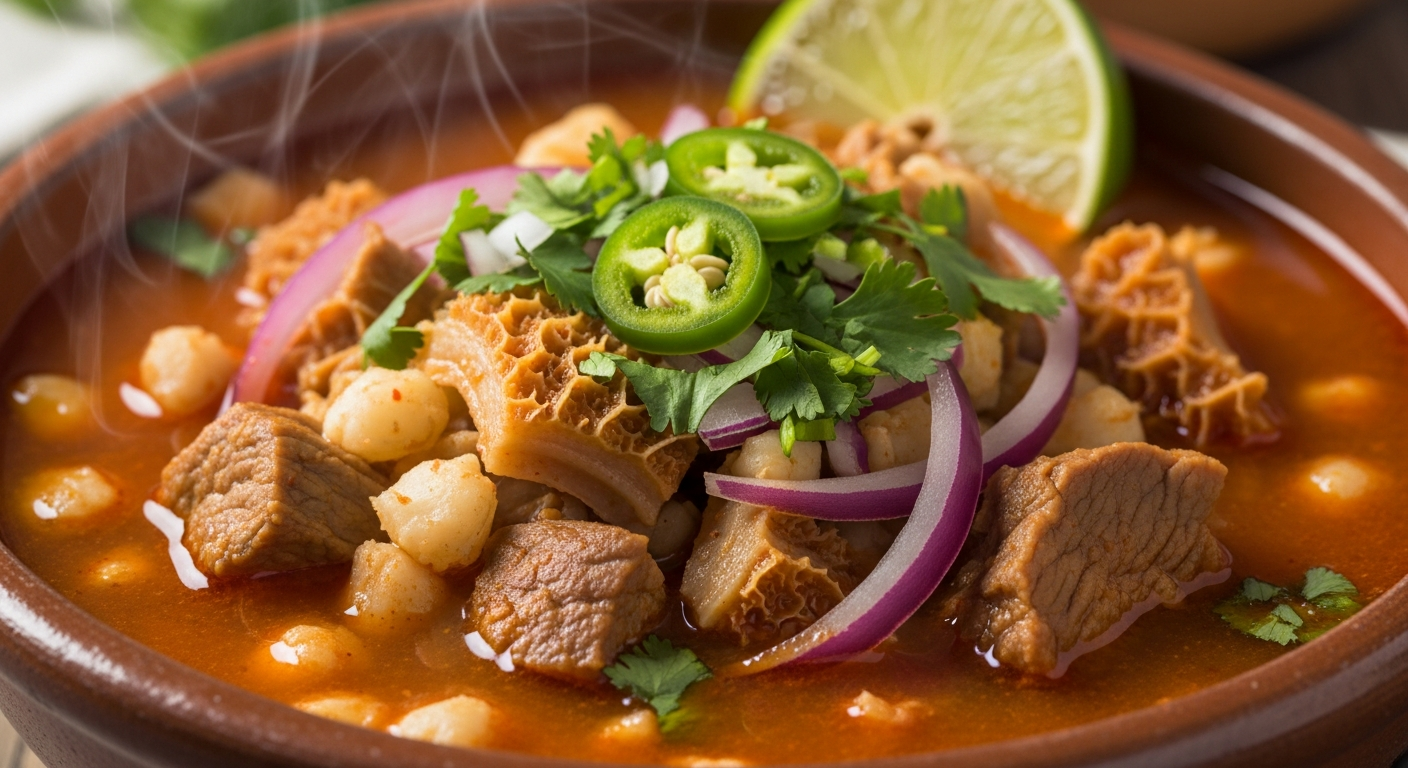
In the world of culinary treasures, few dishes capture the essence of heritage and hearty comfort quiet like Menudo, the vibrant beef tripe soup that has warmed tables and hearts for generations. Beyond its bold, ruby-red broth and tender morsels of tripe lies a rich tapestry of flavors-a symphony of spices, hominy, and slow-cooked broth that tells a story far deeper than the sum of its ingredients. This article embarks on a flavorful journey into the magical depths of Menudo, exploring its origins, cultural significance, and the intricate dance of tastes that make this beloved soup a timeless classic on menus around the world. Whether you’re a curious foodie or a seasoned lover of traditional soups, prepare to savor the rich complexity and soul-soothing allure of beef tripe soup like never before.
Menudo Magic: Exploring the rich Flavors of Beef Tripe Soup
Menudo Magic is more than just a recipe; it’s an invitation to immerse yourself in a rich tapestry of flavors and cultural tradition.This beloved beef tripe soup, celebrated in various regions across the Philippines and Mexico, carries with it stories of family gatherings, hearty comfort, and a culinary heritage passed down through generations. The distinctive flavors, harmony of spices, and textural variety make it a dish that never fails to warm the heart and delight the palate.
Prep and cook time
- Preparation: 30 minutes
- Cooking: 2 hours 15 minutes
- Total Time: 2 hours 45 minutes
Yield
Serves 6 hearty portions
Difficulty Level
Medium - requires attentive preparation and slow simmering but rewarding results
key Ingredients That Define Menudo’s Distinctive Flavor
The magic of Menudo Magic lies within its carefully balanced ingredients, each adding signature layers to the soup’s profile. Beef tripe forms the hearty, chewy foundation, while fragrant garlic and onions build depth. The bright acidity of calamansi juice or lime balances the richness, and traditional spices such as bay leaves and peppercorns elevate the broth. Lastly,fresh vegetables like carrots and potatoes bring earthiness and texture,making each spoonful a beautifully complex experience.
ingredients
- 2 lbs beef tripe, thoroughly cleaned and cut into bite-sized pieces
- 1/2 lb pork liver, sliced into strips
- 1 medium onion, finely chopped
- 6 cloves garlic, minced
- 2 large tomatoes, chopped
- 2 medium potatoes, peeled and diced
- 2 medium carrots, peeled and diced
- 1/4 cup rice flour (for thickening)
- 6 cups beef broth or water
- 1/2 cup soy sauce
- 1/4 cup calamansi juice (or substitute with fresh lime juice)
- 2 bay leaves
- 1 teaspoon whole black peppercorns
- Salt and freshly ground black pepper, to taste
- 3 tablespoons cooking oil
- Chopped green onions and chopped fresh cilantro for garnish
Step by Step Guide to Preparing Authentic Beef Tripe Soup
- Clean the beef tripe thoroughly under cold running water. Boil in a pot of water for 15 minutes, then drain and rinse to remove impurities and odor.
- heat cooking oil in a large pot over medium heat. sauté the onions and garlic until soft and fragrant, about 3-4 minutes.
- add the tomatoes and cook until they break down and form a thick base, roughly 5 minutes, stirring occasionally.
- Pour in the beef broth along with soy sauce, bay leaves, and peppercorns. Bring the liquid to a boil.
- add the tripe and pork liver to the pot. Reduce heat to low, cover, and simmer for 1.5 to 2 hours until the tripe is tender but still slightly chewy. Stir occasionally to prevent sticking.
- Mix rice flour with a small amount of water to create a slurry.Slowly stir this into the simmering soup to thicken the broth slightly.
- Add the potatoes and carrots. Cook for another 15-20 minutes until the vegetables are tender.
- Season with salt, pepper, and calamansi juice to taste. Adjust the balance of acidity and salt as you prefer.
- remove the bay leaves before serving.
Tips for Customizing Menudo to Suit Your Taste Preferences
Menudo Magic allows endless variations to suit your palate:
- Meat Variations: Swap pork liver with beef liver or omit it for a milder taste.
- Spice it Up: Add sliced chili peppers or a dash of paprika for a subtle heat.
- Thicker or Brothier: Increase rice flour slurry for a thicker stew or add more broth for a lighter soup.
- Vegetarian Twist: Replace meat with mushrooms and add smoked paprika for depth.
- Make Ahead: Menudo tastes even better the next day as flavors develop-store in an airtight container and reheat gently.
Chef’s Notes
cleaning Tripe: Use lemon or vinegar during rinsing to reduce odor. Pat dry before boiling.
Cooking Time: do not rush the simmering-it’s essential for tender tripe.
Texture Matters: The contrasting chewiness of tripe paired with soft vegetables is the hallmark of authentic Menudo Magic.
Serving suggestions
Serve hot in deep bowls for a comforting meal. Garnish generously with freshly chopped green onions and cilantro to brighten the dish. Accompany with steamed white rice or warm tortillas to soak up the savory broth. For added zest, place calamansi wedges on the side so diners can customize acidity.

Nutritional Facts (Per Serving)
| Calories | Protein (g) | Carbohydrates (g) | fat (g) |
|---|---|---|---|
| 320 | 28 | 20 | 12 |
Explore more traditional Filipino soups and stews to expand your culinary repertoire. For the past context of menudo and its cultural evolution,visit Smithsonian Magazine’s feature on Menudo.
Q&A
Q&A: Menudo Magic – Exploring the Rich Flavors of Beef Tripe Soup
Q: What exactly is menudo?
A: Menudo is a traditional Filipino soup made primarily with beef tripe, simmered in a hearty tomato-based broth. It’s a comforting dish packed with bold flavors and a medley of vegetables like potatoes, carrots, and bell peppers, frequently enough enjoyed at family gatherings or special occasions.
Q: Why is beef tripe used in menudo?
A: beef tripe, the chewy lining of a cow’s stomach, adds a unique texture and depth to menudo.Its mild taste absorbs the aromatic spices and rich tomato sauce, creating a complex flavor profile that’s both satisfying and distinctive.
Q: How does menudo differ from othre tripe soups around the world?
A: While many cultures feature tripe soups, Filipino menudo stands out with its vibrant tomato base, combined with sweet and savory touches like raisins and liver cubes. This fusion of flavors and ingredients creates a comforting dish that beautifully balances tanginess, sweetness, and umami.
Q: What are the key flavors to expect when tasting menudo?
A: Expect a harmonious blend of savory beef broth infused with garlic and onions, the tangy warmth from tomatoes and vinegar, a hint of sweetness from added raisins or carrots, and the tender, slightly chewy texture of the tripe that invites you to savor every bite.
Q: Is menudo tough to prepare at home?
A: Not at all! While cleaning and tenderizing beef tripe can take some time, the actual cooking process is straightforward. Slow simmering allows the flavors to meld beautifully, and once you’ve mastered the basics, you can customize the dish with your favorite spices and additions.
Q: What’s the best way to serve menudo?
A: Menudo is typically served hot, accompanied by steamed rice.The rice helps soak up the flavorful broth, making each spoonful extra satisfying. It’s also perfect for sharing – a true comfort food that brings people together.
Q: Can menudo be enjoyed by people new to exotic or offal-based dishes?
A: Absolutely! If you’re new to tripe or adventurous eating, menudo is a fantastic introduction. The tomato-based sauce and familiar vegetable sides help ease you into the distinctive texture and flavor of tripe, making it a delicious gateway dish.
Q: Are there any health benefits to menudo?
A: Menudo is rich in protein and nutrients from beef tripe and vegetables. Tripe is particularly high in vitamins like B12 and minerals such as zinc and iron.It’s a nourishing dish that fuels both body and soul.
Q: Can menudo be adapted for different dietary preferences?
A: While traditional menudo features beef tripe, you can experiment with other meats or even plant-based alternatives to suit dietary needs.The key is maintaining the balance of rich, savory, tangy, and sweet flavors that define menudo’s magic.
Q: Why is menudo considered a “magic” dish in filipino cuisine?
A: Menudo’s magic lies in its ability to transform humble ingredients into a flavorful, heartwarming feast. It’s a dish that carries tradition, evokes memories, and celebrates the Filipino love for vibrant, comforting flavors – truly a culinary treasure worth exploring.
In Retrospect
As the final spoonful of menudo warms the soul, we’re reminded that this humble beef tripe soup is more than just a dish-it’s a vibrant tapestry of culture, tradition, and flavor. Each simmering pot tells stories of family gatherings,festive celebrations,and the enduring spirit of culinary creativity. whether you’re a seasoned aficionado or a curious newcomer, embracing menudo is an invitation to savor history one hearty bite at a time. So next time you seek comfort and complexity in a bowl, let the magic of beef tripe soup transport you to a world where rich flavors and cherished memories mingle in perfect harmony.