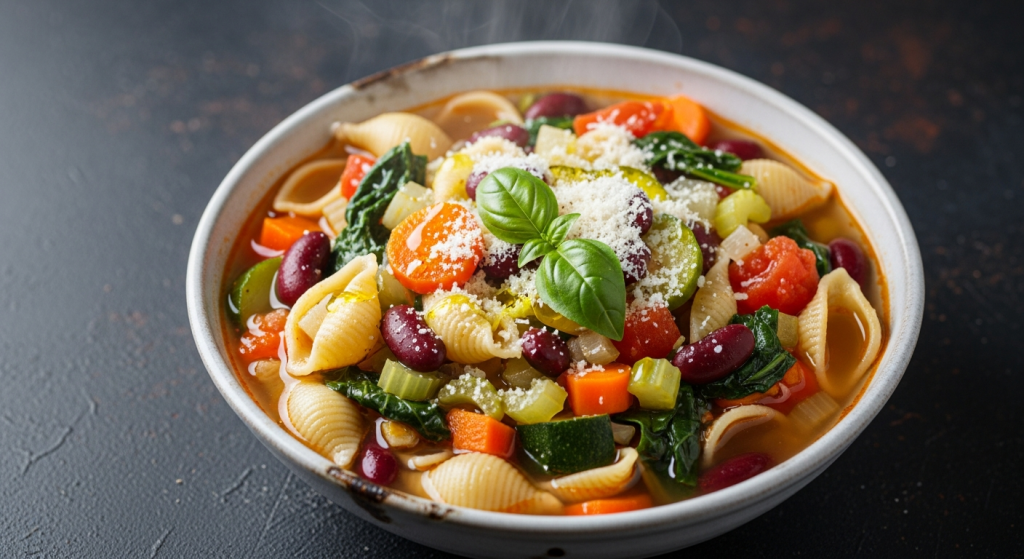

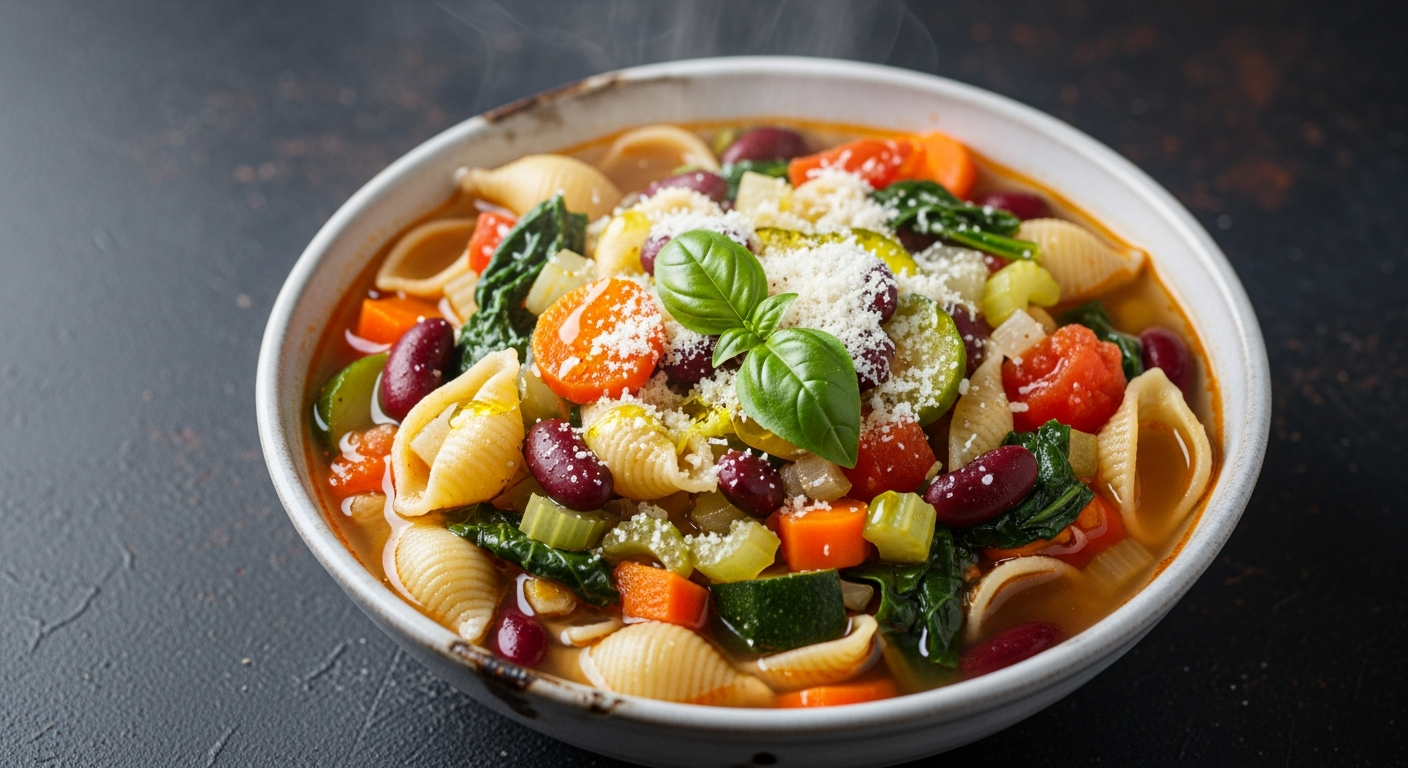
There’s a certain kind of comfort that only a steaming bowl of minestrone can provide - a vibrant mosaic of garden-fresh vegetables, tender beans, and fragrant herbs all simmered to perfection in a rich, savory broth. More than just a soup, minestrone is a soulful culinary journey through Italy’s diverse regions, showcasing a centuries-old tradition of turning humble ingredients into a masterpiece of flavor and nourishment. In this article, we’ll dive into the hearty history, regional variations, and timeless appeal of Italy’s classic minestrone, revealing why this colorful pot of magic continues to captivate taste buds around the world.
Minestrone Magic: A Hearty journey Through Italy’s Classic soup
Minestrone magic unfolds in every simmering pot of this beloved Italian soup, where vibrant vegetables, fragrant herbs, and comforting broth come together to create a dish bursting with flavor and tradition. Rooted deeply in Italy’s culinary heritage, minestrone has been a nourishing staple from the humble countryside kitchens to elegant trattorias. This recipe invites you to experience the soulful essence of Italian cooking while unlocking the distinct regional variations and key ingredients that make minestrone a timeless favorite.
Prep and Cook Time
- Preparation: 20 minutes
- Cooking: 1 hour 15 minutes
- Total Time: 1 hour 35 minutes
Yield
Serves 6 hearty portions
Difficulty Level
Medium – approachable for cooks with basic skills, yet versatile for culinary experimentation
Origins and Regional Variations of Minestrone Across italy
Minestrone magic is not just about a recipe; it’s a vibrant tapestry of local traditions and seasonal produce that shifts as you journey through Italy. In Lombardy and Piedmont, beans and rice often take centre stage. tuscany’s versions highlight kale and borlotti beans, while Liguria brings a coastal twist with fresh herbs like basil and a sprinkle of pesto. Campania’s rendition incorporates tomatoes and pasta, giving the soup a heartier texture. Each region proudly showcases its local vegetables and legumes, making minestrone adaptable, nutritious, and always fresh.
key Ingredients Unlocking Minestrone’s Rich and Nutritious Profile
- Vegetables: zucchini, carrots, celery, onions, garlic, potatoes, green beans, and leafy greens such as spinach or kale
- Legumes: borlotti beans or cannellini beans (preferably freshly cooked or high-quality canned)
- Base: ripe plum tomatoes or high-quality canned tomatoes for body and sweetness
- broth: vegetable or light chicken broth - homemade if possible for deeper flavor
- Herbs: fresh rosemary, thyme, sage, and bay leaves for aromatic layers
- Pasta or Rice: small shapes like ditalini or orzo, or alternatively risotto rice for regional authenticity
- Olive Oil: extra-virgin, cold-pressed, to finish the soup with richness and smoothness
- Parmesan rind: added during cooking to infuse umami depth
Step-by-Step Guide to Crafting an Authentic Minestrone at Home
- Prepare your vegetables: Dice onions, carrots, celery, and zucchini into uniform, medium-sized pieces to ensure even cooking and a balanced bite.
- Start the soffritto: Heat 3 tablespoons of extra-virgin olive oil in a heavy-bottomed pot over medium heat. Add onions, carrots, and celery, sauté until golden brown, about 7 minutes, stirring occasionally to prevent sticking.
- Add garlic and herbs: Stir in minced garlic, a sprig of rosemary, thyme, and a bay leaf. cook for 2 minutes until fragrant.
- Introduce potatoes and green beans: Add diced potatoes and chopped green beans, cooking for an additional 5 minutes while stirring gently.
- Pour in tomatoes and broth: Stir in 2 cups of chopped fresh plum tomatoes (or canned) and 6 cups of warm vegetable broth. Add the Parmesan rind and bring the mixture to a gentle simmer.
- Simmer and soften: Cover and let simmer on low heat for 40 minutes, stirring occasionally to meld flavors and soften vegetables.
- Add beans and pasta: Stir in 1½ cups cooked borlotti beans and ¾ cup small pasta (ditalini or orzo).Continue cooking until pasta is al dente, about 10 minutes.
- incorporate greens and season: Add chopped spinach or kale and cook for 5 more minutes. Season with salt, freshly cracked black pepper, and a drizzle of olive oil to finish.
- Rest and serve: Remove the Parmesan rind and herb sprigs. Let the minestrone sit for 5 minutes off the heat before ladling into bowls.
Chef’s Notes and Tips for Success
- Bean Preparation: If using dried beans,soak overnight and cook separately to keep texture intact and avoid clouding the broth.
- Seasonal Swaps: Swap vegetables according to season-use pumpkin or butternut squash in autumn, or fresh peas and fava beans in spring.
- Broth Boost: For a richer flavor, substitute half the vegetable broth with chicken broth or add a splash of white wine during sautéing.
- Make-Ahead: Minestrone magic improves after a day as flavors deepen; refrigerate and reheat gently, thinning with broth if thickened.
- Vegan Variation: Use vegetable broth and omit the Parmesan rind, or substitute with nutritional yeast for umami notes.
Pairing Minestrone with Italian Wines and Customary Breads
The robust yet fresh character of minestrone magic calls for wine and bread that complement its rustic charm. A light to medium-bodied Italian red such as a Chianti Classico or a Sangiovese enhances the herbal notes without overpowering the vegetables’ sweetness. for white lovers, a crisp Vermentino or Verdicchio lifts the dish’s brightness beautifully.Accompany your bowl with traditional Italian breads like a crusty ciabatta or fragrant focaccia brushed with rosemary and olive oil, perfect for sopping up every last mouthful of this hearty soup.
Serving Suggestions
- Garnish with fresh basil leaves or a sprinkle of finely grated Parmigiano-Reggiano for a savory finish.
- Drizzle a teaspoon of high-quality extra-virgin olive oil on top just before serving to add silkiness and aroma.
- Serve alongside a wedge of lemon for diners who enjoy a subtle citrus lift adding brightness to the bowl.

| Nutrient | Per Serving |
|---|---|
| Calories | 220 kcal |
| Protein | 9 g |
| Carbohydrates | 30 g |
| Fat | 6 g |
for more hearty and comforting Italian recipes, explore our Classic Italian Pasta Dishes. To understand the nutritional benefits and history of legumes used in minestrone, visit the Healthline overview on beans and legumes.
Q&A
Q&A: Minestrone Magic – A hearty Journey Through Italy’s Classic Soup
Q1: What exactly is minestrone,and why is it called “magic”?
A1: Minestrone is italy’s beloved,hearty vegetable soup,a vibrant mosaic of fresh produce,beans,pasta or rice,and aromatic herbs simmered to perfection. It’s often called “magic” because no two pots are ever the same-its recipe morphs with the seasons, the region, and the cook’s whimsy, transforming humble ingredients into a comforting culinary masterpiece that warms both body and soul.
Q2: Where did minestrone originate, and how has it evolved over time?
A2: Roots of minestrone dig deep into ancient Roman times, born as a thrifty dish crafted from available garden bounty and legumes. over centuries, it evolved regionally-from liguria’s aromatic pesto-infused variants to Tuscany’s rich bean-centered versions-absorbing local ingredients and culinary traditions.This soup is a living testament to Italy’s diverse landscapes and history, adapting yet staying timelessly appetizing.
Q3: What makes minestrone so nutritious and wholesome?
A3: Minestrone is a powerhouse of nutrients: bursting with fiber-rich vegetables for digestion, protein-packed beans for sustained energy, and whole grains or pasta for hearty carbs. Its slow simmering unlocks the vitamins and minerals of every ingredient, creating a balanced meal that’s low in fat but high in flavor, fiber, and vitality-an edible ode to healthy eating.
Q4: Can minestrone be customized for different tastes or dietary needs?
A4: Absolutely! Minestrone’s magic lies in its adaptability.Vegetarians and vegans can thrive on its plant-based bounty, while those craving extra protein can add meats or cheese. gluten-free eaters can swap traditional pasta for gluten-free alternatives or wholesome rice. Spice lovers can infuse chilis or pepper flakes. The soup invites creativity-each ingredient a note in your own culinary symphony.
Q5: What tips can you share to craft the perfect minestrone at home?
A5: Start with seasonal, high-quality vegetables-freshness is key! Sweat onions and garlic slowly to build depth, then add beans and broth for hearty body. don’t overcrowd your pot; give each vegetable room to shine.Simmer gently to meld flavors without losing texture. Finish with fresh herbs and a drizzle of good olive oil or a sprinkle of Parmesan to elevate your bowl from humble to heavenly.
Q6: How does minestrone reflect Italian culture and lifestyle?
A6: Minestrone mirrors italy’s party of simplicity, sustainability, and seasonality. It embodies “la cucina povera” (the poor kitchen) ethos-making the most of what’s on hand, waste not, want not. Sharing a warm bowl of minestrone is more than eating-it’s family, tradition, and the heartwarming Italian pace of life, where food nourishes not just the body but connection and community.
Q7: what are some popular regional variations of minestrone worth trying?
A7: In Liguria, you might encounter Minestrone alla Genovese, dressed with pesto’s vibrant green burst. Tuscany offers Ribollita, a hearty, reheated minestrone thickened with stale bread. Campania’s version may lean on rich tomato bases and seasonal greens.Each variation is a spoonful of distinct geography and heritage, inviting you on a culinary tour of Italy’s diverse heartlands.
Dive into the world of minestrone and discover why this humble soup has enchanted palates for millennia-each spoonful a taste of italy’s generous spirit and timeless culinary magic.
In Retrospect
As our ladle dips one last time into the vibrant depths of minestrone, we’re reminded that this humble soup is far more than just a blend of beans, vegetables, and broth. It’s a living tapestry of Italy’s regional flavors, a culinary testament to resourcefulness and tradition, and a warm embrace on any chilly day. Weather enjoyed in a rustic Tuscan kitchen or stirred lovingly at home, minestrone invites us to savor the magic of simplicity and the heartiness of heritage-one comforting spoonful at a time. So next time you crave a dish that nourishes both body and soul, remember: the classic Italian minestrone is always ready to tell its timeless story.Buon appetito!