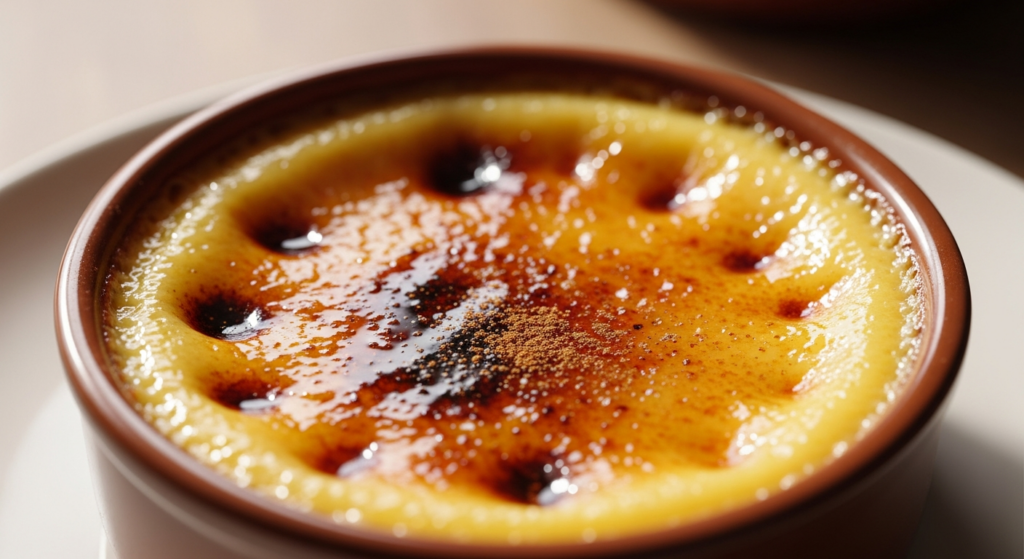

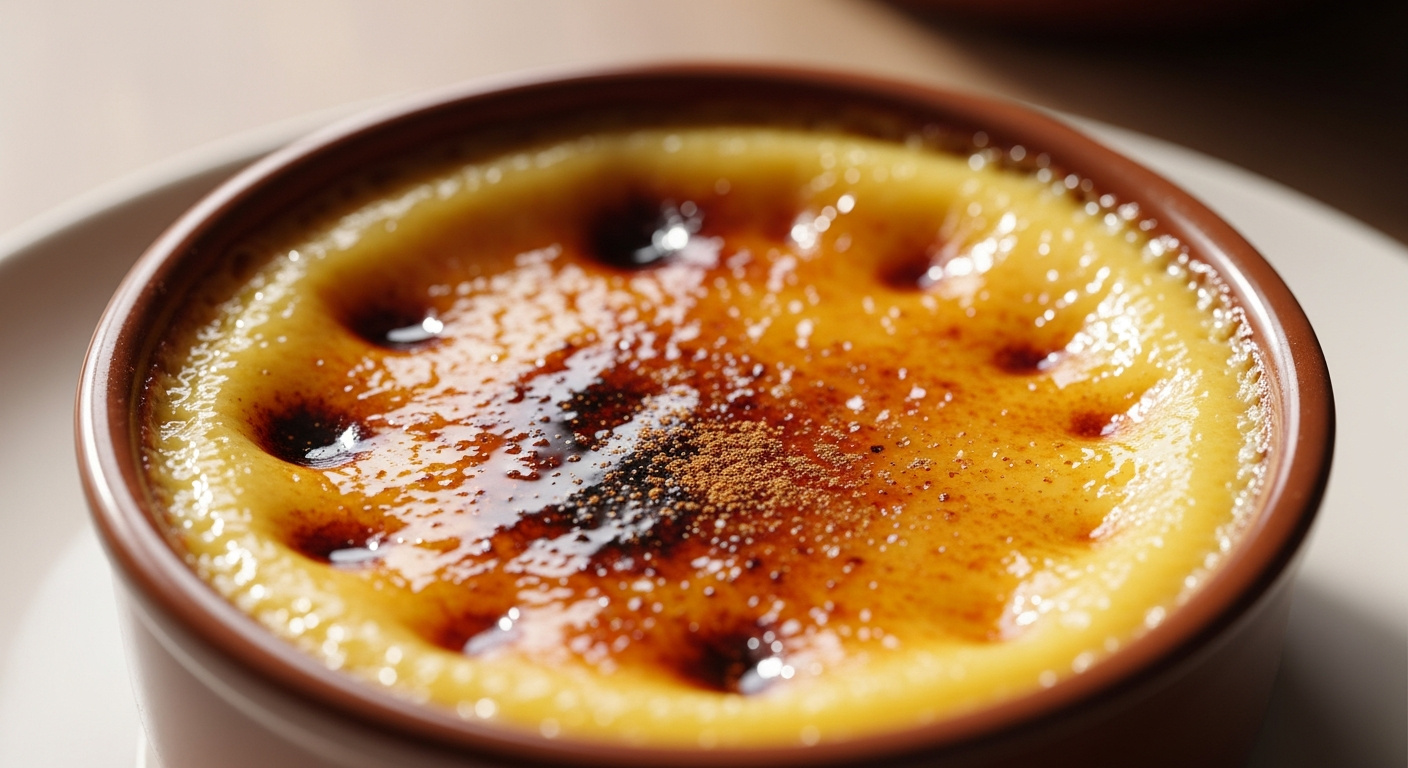
Nestled within the vibrant tapestry of Mexican cuisine lies a dessert that’s as comforting as it is captivating: Jericalla. Often described as a creamy custard with a golden, caramelized top, this delightful treat has been delighting palates since colonial times. Born in the city of Guadalajara, Jericalla offers a harmonious blend of sweet simplicity and rich tradition, inviting both locals and curious food lovers on a journey to savor Mexico’s hidden gem.
In this article,we’ll uncover the origins,the luscious textures,and most importantly,how you can bring this velvety custard to life in your own kitchen. Prepare to discover and recreate a true taste of Mexico’s creamy custard delight.
Jericalla recipe brings a taste of Mexican culinary heritage straight to your kitchen,offering an irresistibly creamy custard that captivates with its delicate balance between sweetness and subtle caramel. Originating from Guadalajara, in the state of Jalisco, this traditional dessert showcases local ingredients and a unique baking technique that results in a golden-brown, slightly toasted top, reminiscent of crème brûlée yet utterly distinct in texture and flavor.
Prep and Cook Time
- Preparation: 15 minutes
- Cooking: 45 minutes
- Cooling and chilling: 2 hours
Yield
Serves 6 generous portions
Difficulty Level
Medium - A custard that requires gentle attention but rewards with creamy perfection
Key Ingredients That define Jericalla’s Unique Creaminess
- 4 cups whole milk (full-fat for richness)
- 1 cup granulated sugar (for sweetness and caramelization)
- 5 large eggs (for structure and smooth texture)
- 1 teaspoon vanilla extract (enhances the custard’s aromatic depth)
- 1 cinnamon stick (for a subtle warm spice infusion)
- Zest of 1 orange (adds a bright citrus note)
Step-by-Step Guide to Creating the Perfect Jericalla Custard
- Infuse the milk: In a medium saucepan, combine the whole milk, cinnamon stick, and orange zest. Warm over medium heat until it just begins to boil, then remove from heat and let steep for 15 minutes to impart flavors.
- Preheat oven: Set the oven to 350°F (175°C). Prepare a baking dish or six 6-ounce ramekins, placing them inside a larger baking pan to create a water bath later.
- Whisk eggs and sugar: In a large bowl, gently whisk together eggs and granulated sugar until the mixture lightens and sugar begins to dissolve. Avoid incorporating too much air.
- Strain and combine: Remove the cinnamon stick and orange zest from the milk. Slowly pour the warm milk into the egg mixture while continuously whisking to temper the eggs and avoid curdling.
- Add vanilla extract: Stir in the vanilla extract for fragrant depth.
- Fill ramekins: Divide the custard evenly among prepared ramekins or the baking dish.
- Set up water bath: Pour hot water into the larger pan until it reaches halfway up the sides of the ramekins. This gentle bain-marie ensures even cooking and silky texture.
- Bake until set: Carefully transfer to the oven and bake for 40-45 minutes.the custard should be just set but still slightly wobbly in the center.
- Cool properly: Remove ramekins from the water bath and let cool at room temperature. Then refrigerate for at least 2 hours before serving to enhance creaminess.
Expert Tips for Serving and Enhancing Your Jericalla Experience
- Serve chilled with a sprinkle of ground cinnamon or a light dusting of powdered sugar to heighten the visual appeal.
- Pair with fresh Mexican fruits like sliced mango, strawberries, or a few pomegranate seeds for refreshing contrast.
- For an extra layer of texture, drizzle a thin caramel sauce over the top just before serving.
- Warm the custard slightly before eating for a softer mouthfeel-or enjoy straight from the fridge on hot days.
- Make-ahead friendly: Jericalla improves in flavor after a day refrigerated and can be stored tightly covered for up to 3 days.
Chef’s Notes
Substitutions: For a lighter custard, you can replace half of the whole milk with half-and-half or cream, but traditional Jericalla relies on milk’s balance.
Troubleshooting: if the custard is too watery, bake a little longer but watch carefully to avoid curdling. A silky texture comes from gentle heat and steady whisking when mixing.
Variations: Experiment by infusing the milk with other spices such as star anise,or a dash of Mexican cinnamon (cinnamon de Ceylán) for authentic warmth.
Serving Suggestions
Present Jericalla in pretty, rustic clay ramekins to honor its regional origins. Garnish with a sprig of fresh mint or edible flowers for added color. Complement the custard with a cup of rich Mexican coffee or a mild cinnamon tea to complete your dessert experience.

| nutrient | Amount (per serving) |
|---|---|
| calories | 230 kcal |
| Protein | 8 g |
| Carbohydrates | 28 g |
| fat | 8 g |
Expand your dessert repertoire with more authentic mexican desserts, and learn about the history of custards worldwide from Britannica’s Custard Article.
Q&A
Q: What is Jericalla?
A: Jericalla is a traditional Mexican dessert from Guadalajara, Jalisco. It’s a luscious, creamy custard with a delicate caramelized top, reminiscent of flan but with a unique twist that sets it apart-a subtle cinnamon flavor and a slightly browned surface that adds depth and texture.
Q: How did Jericalla originate?
A: Legend has it that Jericalla was born in a colonial-era bakery where a custard was accidentally overcooked in the oven, resulting in the now-signature caramelized crust. The dessert quickly became a local treasure in Guadalajara, blending Spanish culinary influence with Mexican flair.
Q: What ingredients are essential for making Jericalla?
A: The star ingredients include fresh whole milk, eggs, sugar, vanilla, and a hint of cinnamon. Unlike some custards, it doesn’t use heavy cream, which keeps the texture light yet creamy. The balance of these simple ingredients creates Jericalla’s comforting and rich flavor.
Q: How is Jericalla different from flan or crème brûlée?
A: While Jericalla shares similarities with flan and crème brûlée, it differs in texture and preparation. Jericalla is bolder in milk flavor, has a silkier consistency without the gelatinous jiggle, and features a caramelized top formed naturally during baking-not with the torch used in crème brûlée. Its cinnamon note also gives it a uniquely Mexican twist.
Q: What is the best way to serve Jericalla?
A: Jericalla is best enjoyed chilled or at room temperature, allowing its creamy texture and warm spices to shine. Serve it in small ramekins or bowls, optionally garnished with a sprinkle of ground cinnamon or a few fresh berries for a stunning contrast.
Q: Can Jericalla be customized or flavored differently?
A: Absolutely! While the classic recipe shines on its own, some variations include adding orange zest, star anise, or even a splash of tequila for an adult twist. However, the fundamental charm lies in its simple, comforting flavors.
Q: Why should we try making Jericalla at home?
A: Jericalla is a delightful gateway into Mexican home cooking-simple, satisfying, and steeped in tradition. Making it at home allows you to experience an authentic cultural treat, impress your guests with something different, and indulge in a silky custard that feels like a warm embrace in every spoonful.
To Wrap It Up
As you savor the velvety smoothness of Jericalla, you’re not just enjoying a dessert-you’re experiencing a slice of Mexican history and culture, lovingly preserved in a creamy custard. Whether you whip it up for a festive gathering or a quiet treat, this delightful recipe invites you to connect with tradition in the most delicious way. So go ahead, embrace the warmth of jericalla, and let each spoonful carry you closer to the heart of Mexico’s culinary heritage.