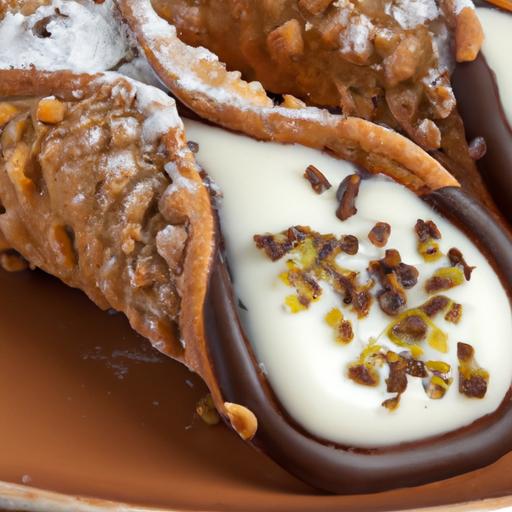

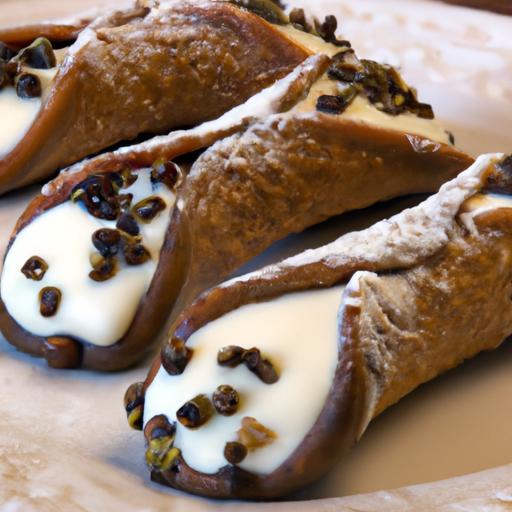
Beneath the sun-drenched skies of Sicily, where ancient traditions mingle with vibrant culture, lies a dessert that captures the very essence of the island’s soul: the cannoli. Far more than just a sweet treat, the cannoli is a symbol of Sicilian heritage, a delicate balance of crisp, golden pastry and luscious, creamy filling that has enchanted taste buds for centuries. In this article, we unwrap the sweet secrets of this iconic delicacy-delving into its storied origins, regional variations, and the time-honored techniques that make each bite a perfect harmony of texture and flavor. Join us as we journey into the heart of Sicily’s culinary treasure, discovering how the humble cannoli became a beloved emblem of sweetness around the world.
Cannoli Unwrapped: sweet Secrets of Sicily’s Iconic Treat begin with a journey through time and tradition, where crispy shells cradle luscious fillings-a harmony born in Sicily’s sun-drenched neighborhoods.This recipe invites you to craft your own cannoli masterpiece, guided by authentic techniques perfected over centuries. Whether you’re a seasoned baker or a passionate novice, this step-by-step guide transforms a Sicilian classic into your kitchen’s star.
Prep and Cook Time
Preparation: 30 minutes
Resting: 1 hour
Frying and Assembly: 25 minutes
Total: 1 hour 55 minutes
Yield
12 cannoli (standard size)
Difficulty Level
Medium – requires some frying technique and dough handling
Ingredients
- For the shells:
- 2 cups all-purpose flour, sifted
- 1 tablespoon granulated sugar
- 1/2 teaspoon ground cinnamon
- 1/4 teaspoon salt
- 3 tablespoons unsalted butter, chilled and cubed
- 1 large egg yolk
- 1/2 cup dry white wine (preferably Marsala)
- Vegetable oil, for frying
- For the classic ricotta filling:
- 2 cups fresh whole-milk ricotta, drained overnight
- 3/4 cup powdered sugar, sifted
- 1 teaspoon pure vanilla extract
- 1/4 teaspoon ground cinnamon
- 1/3 cup mini chocolate chips or finely chopped candied orange peel (optional)
- Chopped pistachios, for garnish
- powdered sugar, for dusting
Instructions
- Make the dough: In a large bowl, combine flour, sugar, cinnamon, and salt. Add cold butter and rub it into the flour mixture with your fingertips untill you achieve a coarse, sandy texture.
- Bind the dough: Whisk together egg yolk and white wine then pour into the flour mixture. Stir with a fork to combine, then knead by hand on a lightly floured surface until smooth and elastic, about 5-7 minutes.
- Rest the dough: Wrap tightly in plastic wrap and refrigerate for at least 1 hour. This step is essential for a crisp shell.
- Prepare cannoli molds: Lightly oil metal cannoli tubes or small rolling pins and set aside.
- Roll and cut dough: Divide dough into 3 portions. Roll each on a floured surface to 1/8-inch thickness. Cut circles about 4 inches in diameter.
- Shape shells: Wrap each circle around a mold edge overlapping slightly. Moisten edges with water and press to seal. repeat until all shells are ready.
- Heat oil: In a heavy-bottomed pot, heat vegetable oil to 350°F (175°C). Use a thermometer to maintain temperature precisely.
- Fry shells: Carefully lower molds with dough into oil. Fry until golden and crisp, about 2-3 minutes, turning once. Avoid overcrowding.
- Drain and cool: Remove shells from oil with tongs; set on paper towels to drain. When cool enough to handle,gently slide shells off molds.
- Make filling: In a bowl, mix ricotta with powdered sugar, vanilla, and cinnamon until creamy. Fold in chocolate chips or candied peel if using.
- Fill shells: Using a piping bag or small spoon, fill each shell just before serving to maintain crispness.
- Garnish and serve: Dip each cannoli end in chopped pistachios,dust with powdered sugar,and serve promptly.
Chef’s Notes: Tips for Success
- Draining Ricotta: Ensure your ricotta is well-drained overnight in a fine mesh strainer or cheesecloth to avoid watery filling, which softens the shells.
- Wine Selection: Marsala adds authentic flavor,but dry white wine works well if unavailable.
- Frying: maintaining the oil temperature is crucial-too hot burns the shells; too cool makes them greasy.
- Make-Ahead: Prepare shells a day in advance and store in an airtight container. Fill just before serving for perfect crunch.
- Variations: Experiment with fillings such as mascarpone or chocolate ricotta blends, or incorporate zest for unique flavor twists.
Serving Suggestions
present these golden, crunchy cannoli on a rustic wooden board or a vintage ceramic plate. Garnish with a sprinkle of radiant green chopped pistachios at each end, a light dusting of powdered sugar, and perhaps a few candied orange slices nearby for visual contrast. Pair with a chilled glass of sweet malvasia wine or a robust espresso to balance the creamy sweetness.
| Nutrient | Per Serving |
|---|---|
| Calories | 320 kcal |
| Protein | 6 g |
| Carbohydrates | 38 g |
| Fat | 15 g |

For an in-depth exploration, visit our guide to Italian desserts and discover more Sicilian classics.For past context on Sicilian cuisine, the Encyclopedia Britannica’s entry on Cannoli offers an authoritative overview.
Q&A
Q&A: Cannoli Unwrapped – Sweet secrets of Sicily’s Iconic Treat
Q1: What exactly is a cannoli?
A1: Picture a crispy, golden tube-deep-fried to perfection-cradling a luscious, creamy filling that dances between sweet and tangy. That’s a cannolo (plural: cannoli), Sicily’s iconic pastry. Traditionally filled with ricotta cheese sweetened with sugar and often dotted with candied fruit or chocolate chips, it’s a bite-sized party of texture and flavor.
Q2: Where did the cannoli originate?
A2: Cannoli have deep roots in Sicilian history, dating back to at least the 9th century during Arab rule. originally crafted as a carnival treat symbolizing fertility and life’s sweetness, thay have transcended their festive origins to become a year-round symbol of Sicilian indulgence and craftsmanship.
Q3: What makes Sicilian cannoli different from other pastries?
A3: It’s all about balance and artistry. The shell must be impeccably crisp without being greasy, achieved by frying in just the right temperature. The filling-the heart of any cannolo-is silky ricotta, often made from sheep’s milk, lending a slightly tangy richness. The interplay of textures and authentic local ingredients makes Sicilian cannoli unmatched.
Q4: Are ther variations of the filling?
A4: Absolutely! While classic ricotta reigns supreme, variations abound: some lovers add a hint of cinnamon or vanilla, others fold in finely chopped pistachios, citrus zest, or tiny chocolate chips. Modern takes may experiment with mascarpone or even chocolate-infused creams, but the soul of a cannolo lies in its simple, fresh ricotta base.
Q5: How should cannoli be enjoyed for the best experience?
A5: Cannoli are at their prime freshly filled-ideally just minutes before serving. This keeps the shell crunchy and the filling cool and creamy. Eating one is a delicate dance: bite from the ends to enjoy the crunchy shell and creamy filling in harmony, savoring every nuanced flavor.
Q6: Can I make authentic cannoli at home?
A6: You can! While it takes patience-rolling, shaping, and frying the shells precisely-crafting them at home offers rewarding hands-on intimacy with Sicilian tradition. Hunt down good-quality ricotta, use sturdy cannoli tubes for frying, and don’t rush the chilling process for the filling. Your kitchen will smell like a Sicilian bakery come to life.
Q7: Why do cannoli have such enduring cultural importance in Sicily?
A7: Beyond being a delectable treat, cannoli are a symbol of Sicily’s layered history-reflecting Arab influence, local agricultural richness, and festive customs. They embody a joyful spirit: life’s sweetness despite hardships. Sharing cannoli is sharing heritage, celebration, and Sicilian pride.
Unwrapping the secrets of Sicily’s cannoli reveals a story as rich as the ricotta within-a story of tradition, passion, and irresistible sweetness wrapped in a crispy embrace. Next time you savor one, remember: you’re tasting centuries of Sicilian soul.
to Wrap It Up
As the last crumb of cannoli melts away, we’re reminded that this iconic Sicilian treat is more than just a dessert-it’s a story wrapped in delicate, crispy pastry and filled with centuries of tradition, passion, and flavor. From the sun-drenched orchards where fresh ricotta is crafted to the bustling streets of palermo where vendors perfect their shells, every bite unravels a sweet secret of Sicily’s rich heritage. So, whether you savor it in a quaint café or attempt your own cannoli creation at home, remember: you’re partaking in a flavorful ritual that has delighted palates for generations, a true taste of la dolce vita.