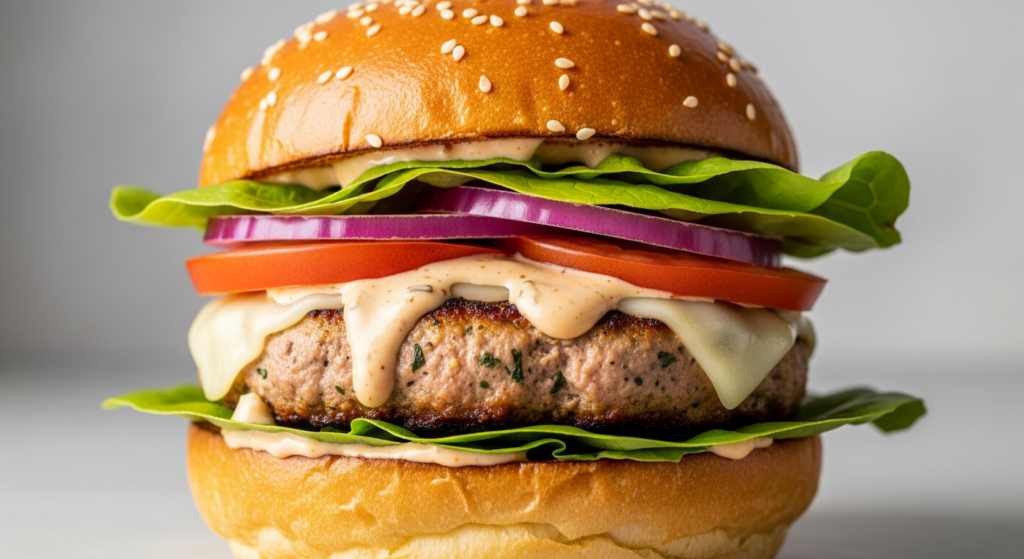

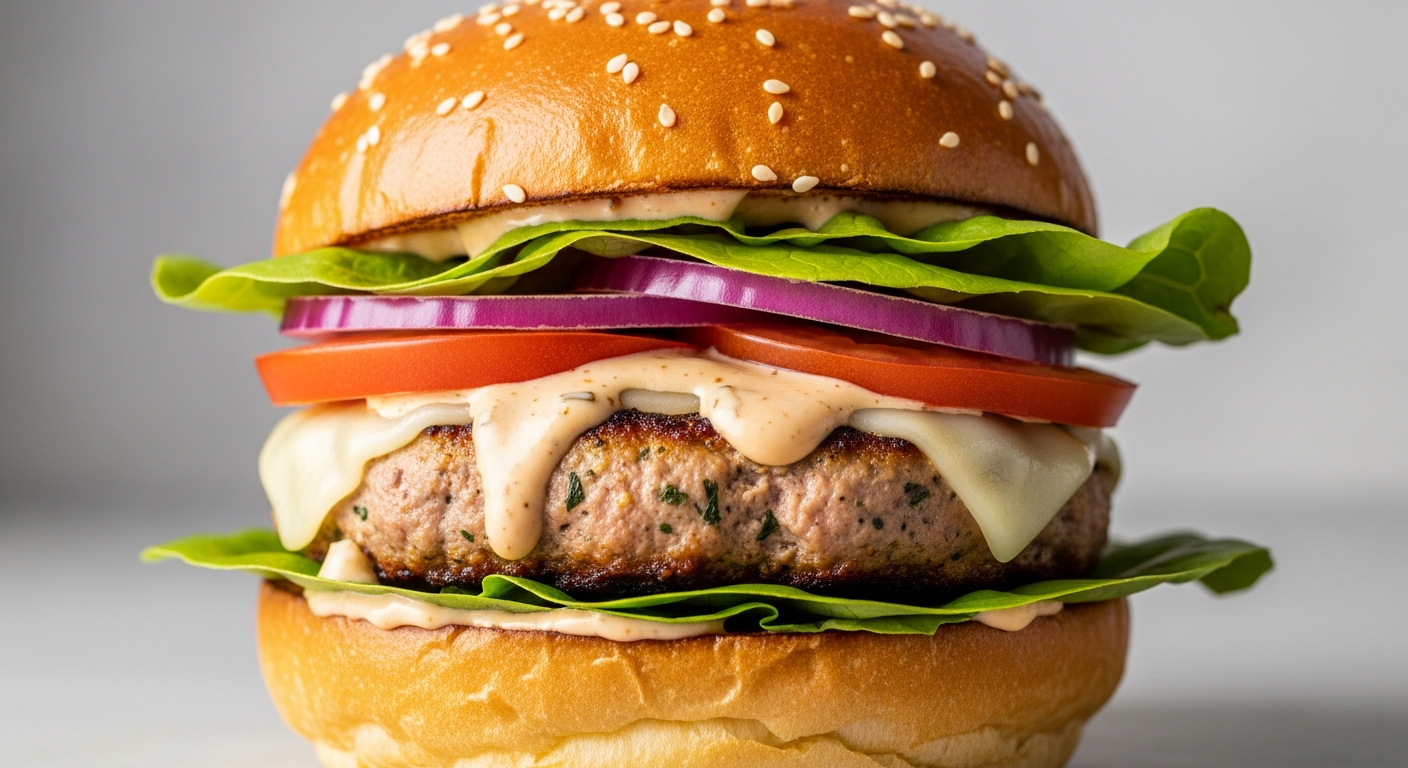
In the world of wholesome eating,turkey burgers have carved out a flavorful niche as a lean,protein-packed delight that satisfies both taste buds and nutritional goals.
Far beyond the familiar backyard barbecue staple, these hearty patties offer a smart alternative to conventional beef burgers, delivering robust flavor without the heavy calories and saturated fat. Whether your a fitness enthusiast seeking muscle-supporting fuel or a health-conscious foodie exploring lighter fare, turkey burgers bring a perfect blend of savory satisfaction and nourishing benefits to your plate. Let’s dive into the nutritional profile of this versatile favorite and uncover why it’s earning top marks on menus and meal plans alike.
Turkey burger nutrition offers a fantastic way to enjoy a lean, protein-packed delight that’s both satisfying and wholesome. Turkey burgers have surged in popularity as a heart-healthy alternative to traditional beef patties, thanks to their lower fat content and rich supply of high-quality protein. Originating from a desire to make classic comfort foods healthier, turkey burgers bring lighter flavors and versatility, easily complemented by herbs, spices, and fresh produce. Whether you’re meal prepping for the week or planning a weekend cookout, understanding this nutrient-packed option can transform your approach to burgers in the healthiest, most flavorful way.
Prep and cook Time
- Preparation: 15 minutes
- Cooking: 10-12 minutes
- Total Time: 25-27 minutes
Yield
4 servings (4 burgers)
Difficulty Level
Easy
Ingredients
- 1 lb lean ground turkey (preferably 93% lean)
- 1/4 cup finely chopped onion
- 2 cloves garlic, minced
- 1/4 cup rolled oats (for binding)
- 1 tbsp Worcestershire sauce
- 1 tsp smoked paprika
- 1/2 tsp freshly ground black pepper
- 1/2 tsp sea salt
- 1 tbsp chopped fresh parsley
- 1 tbsp olive oil (for cooking)
Instructions
- In a large bowl, combine the lean ground turkey, chopped onion, minced garlic, rolled oats, Worcestershire sauce, smoked paprika, salt, pepper, and fresh parsley. Mix gently with your hands or a spoon until just combined – overmixing can toughen the meat.
- Divide the mixture into 4 equal portions and shape each into a 4-inch diameter patty, pressing slightly to compact but not to hard.
- Preheat a skillet over medium heat and add olive oil, swirling to coat evenly. Once hot,add the turkey patties.
- Cook each patty for 5-6 minutes on the first side,without moving,until golden brown. Flip carefully and cook for another 4-5 minutes until the internal temperature reaches 165°F (74°C).
- Remove from heat and let the patties rest for 3 minutes; this helps retain juiciness.
Health Benefits of Choosing Turkey over Traditional Beef
Turkey offers a leaner protein alternative with up to 40% less fat than conventional ground beef, making it ideal for heart-conscious individuals. Rich in selenium, niacin, and vitamin B6, turkey supports metabolism and immune function. The lower saturated fat content helps reduce cholesterol levels, while its protein density promotes muscle repair and satiety.With turkey burger nutrition at its core, you enjoy all the burger satisfaction without the extra calories and grease.
Tips for Maximizing Protein Intake with turkey Burgers
- Select lean ground turkey to keep fat low and protein high – 93% lean or better is best.
- Incorporate binding agents like oats or quinoa to boost fiber and add complex carbs, helping stabilize energy levels.
- Pair your burger with protein-packed sides like a Greek yogurt-based tzatziki or cottage cheese salad for an extra protein punch.
- Consider adding egg whites for extra protein and improved patty firmness without extra fat.
Smart Ingredient Swaps to enhance Flavor and Nutrition
To elevate turkey burger nutrition and flavor, try these creative swaps:
- Swap regular oats for ground flaxseed – this not only binds but adds omega-3 fatty acids and fiber.
- Replace worcestershire sauce with coconut aminos for a lower sodium, gluten-free alternative.
- Add finely grated vegetables like zucchini or carrots for moisture, added vitamins, and a subtle sweetness.
- Experiment with fresh herbs such as cilantro or basil to brighten the flavor without extra calories.
Chef’s Notes: Tips for Success
- Don’t overwork the patties – gentle mixing keeps the meat tender and juicy.
- Use a meat thermometer to avoid drying out your turkey burgers; 165°F (74°C) is the perfect safe temperature.
- For even cooking, make a small dimple in the center of each patty – this prevents puffing up.
- Make ahead: Patties can be formed up to 24 hours in advance and refrigerated, or frozen for up to 1 month.
- Consider cooking on a grill to add smoky char and reduce added fats.
Serving Suggestions
Serve your turkey burger on a whole-grain bun with crisp lettuce,juicy tomato slices,and a slice of avocado for creamy richness.Spice it up with a tangy homemade chipotle mayo or a fresh herb yogurt sauce for a refreshing contrast. Complement with a side of roasted sweet potato wedges or a vibrant kale and quinoa salad for a balanced plate that’s as visually appealing as it is appetizing.
| Nutrient | Per Patty (4 oz) |
|---|---|
| Calories | 170 kcal |
| Protein | 22 g |
| Carbohydrates | 4 g |
| Fat | 7 g |

For more creative and healthy burger inspirations, check out our healthy Hamburger Recipes guide. To further understand the heart-healthy benefits of lean meats, visit the American Heart Association’s lean protein resources.
Q&A
Q&A: Turkey Burger Nutrition – A Lean, protein-Packed Delight
Q1: What makes turkey burgers a healthier option compared to traditional beef burgers?
A1: Turkey burgers are frequently enough leaner than beef burgers, meaning they contain less saturated fat and fewer calories. Ground turkey breast, in particular, is low in fat while packing a powerful protein punch, making it a heart-friendly choice that supports muscle building and weight management.
Q2: How much protein can I expect from a typical turkey burger?
A2: A standard 4-ounce turkey burger patty typically contains around 22 to 25 grams of protein. This high protein content helps keep you full longer, fuels your muscles, and aids in overall metabolism.
Q3: Are all turkey burgers equally nutritious?
A3: Not quite! The nutrition can vary depending on whether the burger is made from lean turkey breast, dark meat, or a mixture. Lean ground turkey breast provides the least fat,while blends with dark meat can be juicier but slightly higher in fat. Always check labels or ask your butcher for lean options if you want to maximize health benefits.
Q4: What vitamins and minerals do turkey burgers provide?
A4: Turkey burgers are great sources of B vitamins, especially niacin (B3) and B6, wich help convert food into energy. They also provide vital minerals like selenium, zinc, and phosphorus, all of which play vital roles in immune function, wound healing, and bone health.
Q5: Can turkey burgers fit into a weight loss or fitness plan?
A5: Absolutely! Thanks to their low-fat content and high protein levels, turkey burgers support muscle maintenance and fat loss. Protein boosts satiety, which can reduce overeating, and the lean composition helps control calorie intake without sacrificing flavor.
Q6: How does cooking method affect the nutrition of turkey burgers?
A6: The cooking method matters. Grilling or baking turkey burgers allows excess fat to drip away and avoids adding needless calories, unlike frying with lots of oil. Be mindful of toppings and buns-opting for whole grain buns and fresh veggies will keep your meal wholesome and nutrient-rich.
Q7: Are turkey burgers suitable for everyone?
A7: For most people, yes! Turkey burgers are a great protein choice for anyone looking to eat healthier. However, those with poultry allergies or strict dietary restrictions should avoid them or choose suitable alternatives. Also, seasoning is key to keep sodium levels in check, especially if you’re watching your salt intake.
Q8: Any tips for making turkey burgers tastier without sacrificing nutrition?
A8: Definately! Add fresh herbs like rosemary, thyme, or cilantro for flavor with minimal calories.Mix in chopped veggies like onions, mushrooms, or bell peppers to boost fiber and moisture. Using spices instead of heavy sauces can keep the calorie count low while delivering bold taste.
Embrace turkey burgers as your next go-to meal: lean, protein-packed, and versatile enough to tantalize your taste buds while nourishing your body!
Insights and Conclusions
In the grand tapestry of wholesome eating, the turkey burger shines as a flavorful thread woven with lean protein, essential nutrients, and satisfying zest.Whether you’re fueling an active day or simply craving a smarter twist on a classic favorite, this protein-packed delight offers a nutritious punch without the heaviness. So next time you grill or pan-sear, remember: choosing a turkey burger isn’t just about taste-it’s a delicious step toward nourishing your body with intention and balance. Here’s to savoring every bite of healthful goodness wrapped in that juicy, lean patty!