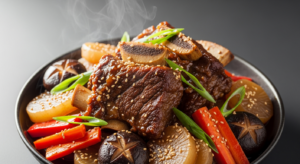

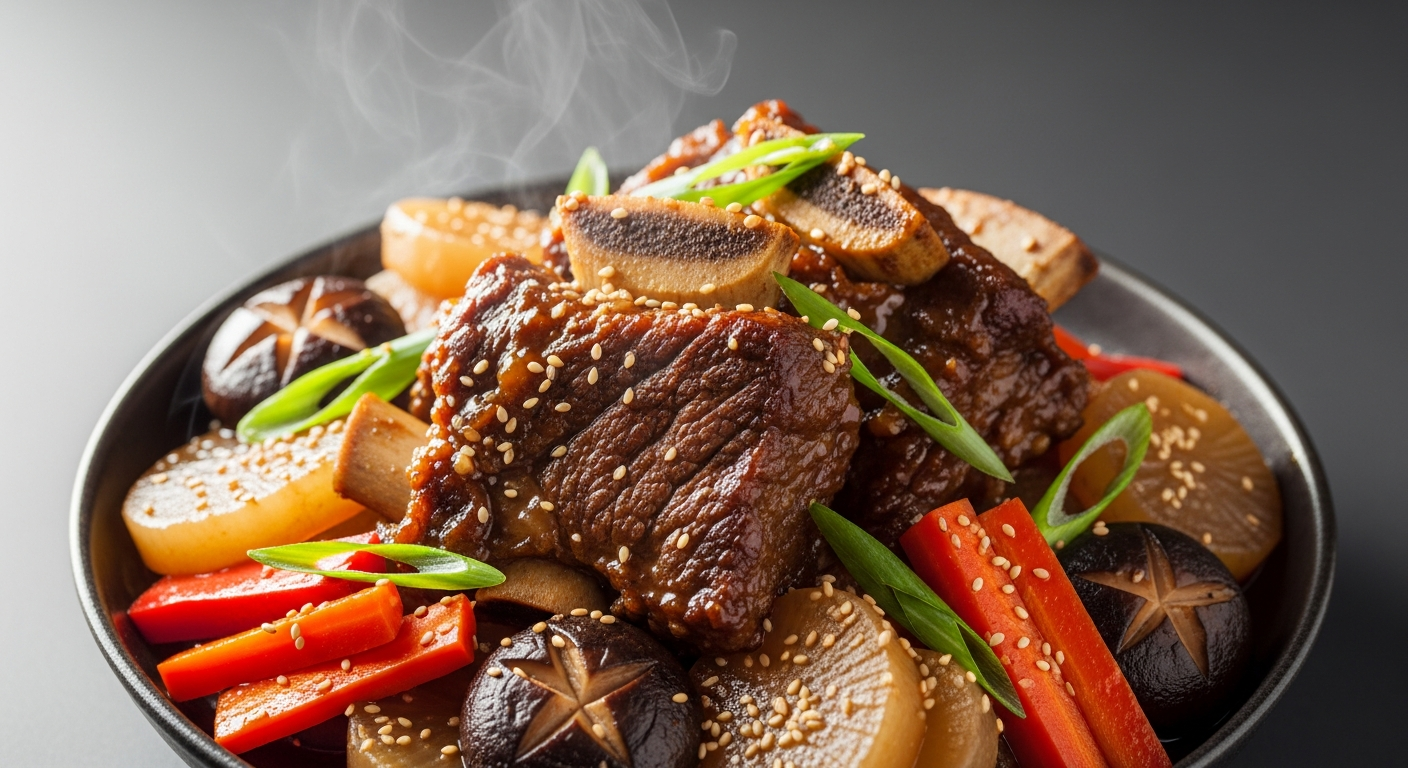
In the vast and vibrant tapestry of Korean cuisine,few dishes capture the heart and history of the culture quite like Galbi Jjim. This beloved braised beef delicacy, rich with layers of flavor and tradition, invites both the curious and the connoisseur to experience a symphony of tender meat, savory sauces, and aromatic spices.
Among its many renditions, Mashita Galbi Jjim stands out – a masterful interpretation that elevates this classic to new heights. Join us as we unveil the story behind Mashita Galbi Jjim, exploring its origins, crafting methods, and the unique qualities that have made it Korea’s treasured braised beef delight.
Unveiling Mashita Galbi Jjim invites you on a deeply flavorful journey into Korea’s treasured culinary tradition of braised beef. This dish, renowned for its melt-in-your-mouth tenderness and harmonious balance of sweet, savory, and aromatic notes, has long graced festive tables and family gatherings alike. As you delve into this recipe, you’ll discover how the careful marination of beef short ribs, combined with slow braising and a bouquet of essential ingredients, crafts an unforgettable sensory experience that embodies warmth and cultural richness.
Prep and Cook Time
- Preparation: 30 minutes
- Braising: 2.5 to 3 hours
- Total Time: Approximately 3 hours
Yield
Serves 4 to 6 hearty portions – perfect for sharing with loved ones or savoring over several meals.
Difficulty Level
Medium: While the steps are straightforward, patience during braising is key to unlocking the dish’s full potential.
Ingredients
- 2.5 lbs (1.1 kg) beef short ribs, cut into 3-4 inch sections
- 1 large onion, quartered
- 5 garlic cloves, crushed
- 2 large carrots, peeled and cut into chunks
- 1 cup Korean radish (mu), peeled and diced
- 1/2 cup soy sauce (preferably Korean ganjang)
- 1/4 cup mirin or rice wine
- 3 tbsp brown sugar or honey
- 2 tbsp sesame oil
- 1 tbsp grated fresh ginger
- 1 tsp black pepper
- 1 cup water or beef broth
- 2 stalks green onions, chopped (reserve some for garnish)
- Optional: 4 dried jujubes (Korean red dates) for a subtle sweetness
- 2 tbsp toasted sesame seeds for garnish
Instructions
- Prepare the beef ribs: Rinse the beef short ribs under cold water to remove impurities. Pat dry with paper towels.optional: blanch ribs in boiling water for 5 minutes, then rinse to remove excess blood for a cleaner broth.
- Marinate the meat: In a large bowl, combine soy sauce, mirin, brown sugar, grated ginger, black pepper, and sesame oil. Add the beef ribs and toss thoroughly to coat. Let marinate for at least 30 minutes or up to 2 hours in the refrigerator for intensified flavor.
- Sauté aromatics and vegetables: In a heavy-bottomed pot or Dutch oven, heat a tablespoon of sesame oil over medium heat. Add crushed garlic and quartered onion, sauté until fragrant and translucent, about 3-4 minutes.
- Braise the ribs: Add the marinated ribs to the pot, searing them lightly on all sides for 5 minutes to develop a rich color. Pour in water or beef broth just enough to cover the ribs partially, then bring to a gentle simmer.
- Add vegetables and jujubes: Incorporate the carrots, Korean radish, and dried jujubes into the pot. cover and reduce the heat to low, allowing the dish to braise slowly for 2.5 to 3 hours. Check occasionally to ensure there’s adequate liquid – add a splash of water if needed.
- Final touches: About 15 minutes before the end, add chopped green onions to infuse freshness. Stir gently to blend all the flavors without breaking the beef apart.
- Serve: Transfer the ribs and vegetables to a warm serving platter, drizzle with the richly reduced braising liquid, then garnish with toasted sesame seeds and reserved green onions for visual appeal and texture.
Chef’s Notes and tips for Success
- Use well-marbled beef short ribs for maximum succulence – the fat renders beautifully during braising.
- If you prefer a less sweet palette, reduce the brown sugar by half, balancing instead with a splash of rice vinegar for brightness.
- For a smoky depth, consider adding a small piece of charred scallion or dried shiitake mushroom during braising.
- Make-ahead pleasant: Galbi jjim tastes even better the next day once flavors meld. Store covered in the refrigerator for up to 3 days.
- If pressed for time, a pressure cooker can reduce braising time to about 45 minutes but be cautious not to overcook.
- Substitute korean radish with daikon if unavailable; both provide subtle sweetness and textural contrast.
Serving Suggestions
Enjoy this rich braised beef masterpiece alongside steamed white rice and a selection of crisp, vinegary banchan (Korean side dishes) like kimchi or pickled cucumbers. A bowl of delicate tteokguk (rice cake soup) complements the hearty meal beautifully. For garnishing, sprinkle freshly chopped green onions and toasted sesame seeds to add a burst of color and nutty aroma, creating a feast not only for the palate but also for the eyes.
| Nutritional Information (per serving) | Amount |
|---|---|
| Calories | 420 kcal |
| Protein | 38 g |
| Carbohydrates | 12 g |
| Fat | 22 g |

for further insight into korean cuisine’s rich history and flavor balance, explore the authentic marinades guide by Maangchi, an authority in Korean cooking techniques.
Q&A
Q&A: Unveiling mashita Galbi Jjim – Korea’s Braised Beef Delight
Q1: What is Mashita Galbi Jjim?
A: Mashita Galbi Jjim is a beloved Korean dish that features succulent beef short ribs braised to tender perfection. “Galbi” means ribs, while “jjim” refers to a steaming braise – together, they create a hearty, melt-in-your-mouth experience celebrated across Korea and beyond.
Q2: How is Galbi Jjim different from other korean beef dishes?
A: Unlike fast stir-fries or grilled beef like Bulgogi,Galbi Jjim is all about slow,patient cooking.The short ribs are simmered low and slow in a savory-sweet broth infused with soy sauce, garlic, ginger, and often fruits like Asian pear. This method transforms tough cuts into tender morsels dripping with rich, layered flavors.
Q3: What gives Mashita Galbi jjim its unique flavor profile?
A: The magic lies in the marinade and braising liquid. Soy sauce provides umami depth, while sugar or honey adds a balancing sweetness. Aromatics such as garlic, ginger, and green onions mingle with a touch of sesame oil and sometimes subtle heat from chili flakes. Some recipes incorporate special touches like chestnuts or jujubes for a conventional,earthy note.
Q4: Is Mashita galbi Jjim typically a spicy dish?
A: Galbi Jjim is usually mild and sweet rather than spicy, making it accessible to many palates. Though, contemporary variants may introduce a gentle kick with gochugaru (korean red pepper flakes) or chili paste to suit those craving more heat.
Q5: What occasions call for serving Mashita Galbi Jjim?
A: This dish is often reserved for celebrations, familial gatherings, and holidays such as Korean Lunar New Year (Seollal). Its rich taste and relatively long preparation time make it perfect for special moments when sharing warmth and tradition at the dinner table.
Q6: Can Mashita Galbi Jjim be made at home easily?
A: While it requires some time and patience, home cooking Mashita Galbi Jjim is absolutely doable and rewarding. With the right ingredients and a cozy kitchen spirit, you can replicate the tender, flavorful braised ribs that define this Korean comfort food.
Q7: What side dishes typically accompany Mashita galbi Jjim?
A: It pairs beautifully with classic Korean banchan such as kimchi, pickled radish, and steamed rice. The variety of textures and flavors from the sides enhances the richness of the ribs, creating a harmonious and satisfying meal.
Q8: Are there any regional variations of Galbi Jjim within Korea?
A: Indeed! Depending on the region, some variations might incorporate different vegetables like carrots, mushrooms, or chestnuts or adjust seasoning to local tastes. Some coastal regions may add seafood to the mix, adding another layer of flavor complexity to this traditional dish.
Q9: What makes Mashita Galbi Jjim a must-try for food adventurers?
A: Beyond its sumptuous taste, Mashita Galbi Jjim offers a gateway into Korea’s culinary heritage. Each bite tells a story of craftsmanship, culture, and communal joy. It’s a dish that invites slow savoring and shared experience – truly a feast for both the palate and the soul.
Whether you’re a devoted foodie or a curious newcomer,uncovering the treasures of Mashita Galbi Jjim is a appetizing way to connect with Korea’s rich gastronomic tapestry. Ready your chopsticks – a savory adventure awaits!
Concluding Remarks
As we close the lid on our exploration of Mashita Galbi Jjim, this sumptuous braised beef treasure from Korea, one thing becomes clear: it is indeed more than a dish-it’s a story simmered in tradition, flavor, and heart. Each tender bite bridges generations, inviting you to experience the warmth of Korean culinary heritage.
Whether you’re a seasoned foodie or a curious newcomer, Mashita Galbi Jjim offers a delicious gateway to the rich tapestry of Korea’s gastronomy. So next time you seek comfort in a bowl or wish to impress with something truly special, let this braised beef delight take center stage on your table-as some flavors are meant to be shared and remembered.