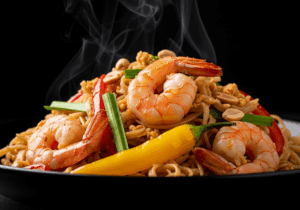

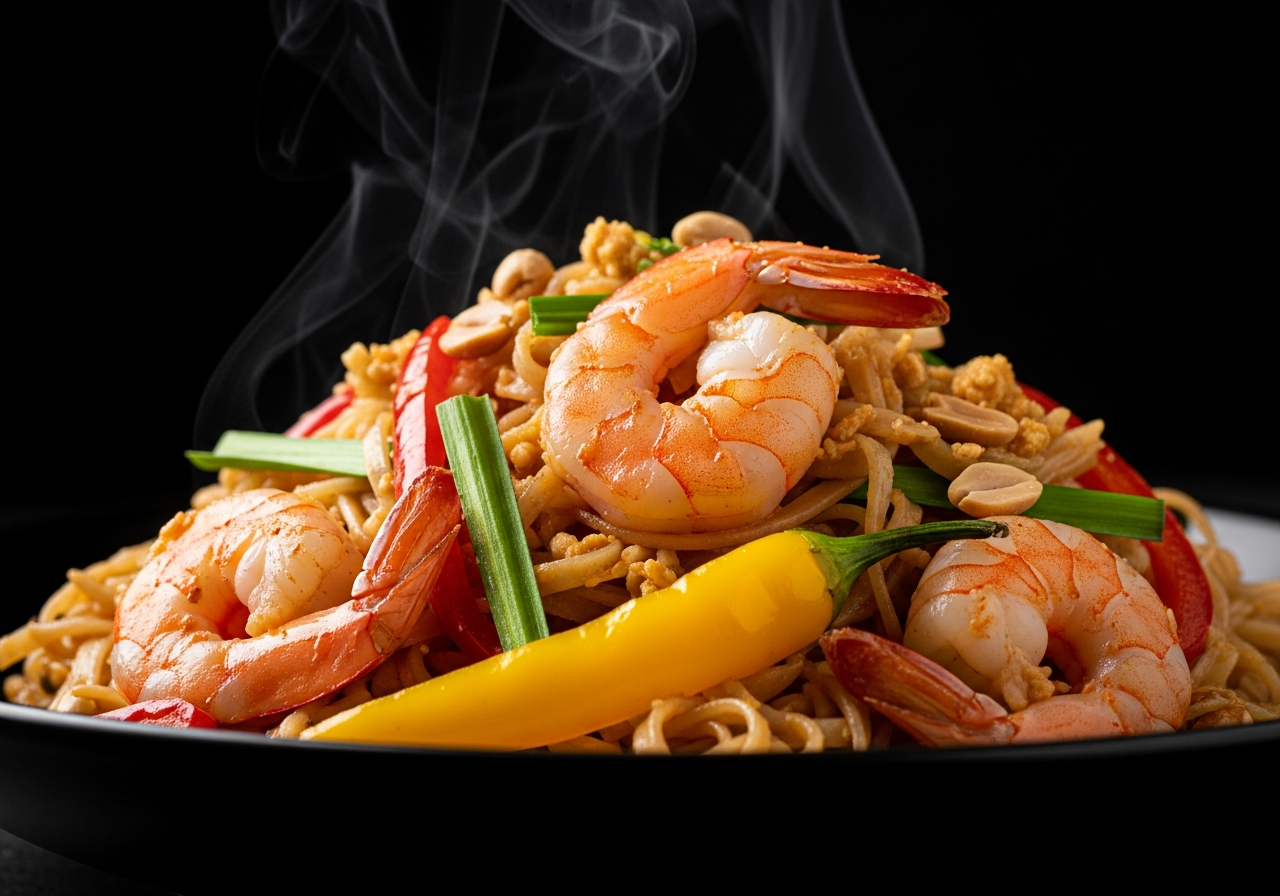
Pad Thai-a vibrant tapestry of tangy tamarind, crunchy peanuts, and tender rice noodles-has long been celebrated as a quintessential thai street food favourite. But for those navigating the world of gluten sensitivities or celiac disease, a pressing question arises: is this beloved dish truly gluten-free? beneath its seemingly simple exterior lies a complex interplay of ingredients that can make the answer anything but straightforward.
In this article, we’ll peel back the layers of Pad Thai’s components, uncover hidden sources of gluten, and help you savor this classic dish with confidence.
Is Pad Thai Truly Gluten-Free? Unpacking the Ingredients begins with a flavorful dive into one of Thailand’s most beloved dishes. This vibrant stir-fried noodle entrée has long been adored for its perfect harmony of sweet, sour, salty, and umami notes. Yet behind its enticing flavors lies a maze of ingredients that may or may not be safe for those with gluten sensitivities.Understanding the customary,hidden,and substitute components is key to crafting an authentic Pad Thai experience free from gluten concerns.
Prep and Cook Time
- Preparation: 15 minutes
- Cooking: 10 minutes
- Total Time: 25 minutes
Yield
Serves 2 to 3 hungry diners
Difficulty Level
Medium – Great for home cooks ready to elevate their stir-fry skills
Ingredients
- 200g rice stick noodles, soaked in warm water for 20 minutes
- 2 tbsp tamarind paste (check for gluten-free certification)
- 3 tbsp fish sauce (traditionally contains no gluten but verify the label)
- 1-2 tbsp palm sugar or light brown sugar
- 2 cloves garlic, finely minced
- 2 eggs, lightly beaten
- 150g shrimp or chicken, peeled and deveined (optional)
- 3 spring onions, sliced
- 1 cup bean sprouts, washed and drained
- 1/4 cup roasted peanuts, crushed
- 2 tbsp vegetable oil
- 1 lime, cut into wedges for garnish
- 1/2 tsp chili flakes, optional
Instructions
- Prepare the sauce: In a small bowl, combine the tamarind paste, fish sauce, and palm sugar. Stir until the sugar dissolves fully. Set aside to let flavors meld.
- Soak the noodles: Soak the rice stick noodles in warm water for about 20 minutes until pliable but not mushy. Drain thoroughly.
- Heat your wok: Add vegetable oil over medium-high heat. When shimmering, add minced garlic and sauté until fragrant, about 30 seconds.
- Add protein: Toss in shrimp or chicken pieces, cooking until just opaque, 2-3 minutes. Push to the side of the wok.
- Scramble the eggs: Pour in the beaten eggs into the clearing in the wok. Gently scramble until they begin to set.
- Incorporate noodles and sauce: Mix in the drained noodles and pour over the prepared sauce. Toss everything continuously to coat noodles evenly and heat through, approximately 3-4 minutes. Use tongs for better control.
- Add fresh crunch: Stir in half the spring onions and bean sprouts. Cook for an additional minute, just long enough to keep sprouts crisp.
- Plate thoughtfully: Transfer Pad Thai onto warm plates. Sprinkle with crushed roasted peanuts, reserved spring onions, and a pinch of chili flakes if desired.
- Garnish with lime wedges: Encourage diners to squeeze fresh lime juice over the dish for brightness and tang.
Expert Tips for enjoying Pad Thai Safely with Gluten Sensitivities
Many assume Pad thai is intrinsically gluten-free due to its rice noodle base, but beware subtle gluten traps:
- Fish sauce: while traditionally gluten-free, some commercial versions add wheat-based ingredients.Always choose brands labeled gluten-free or consult the manufacturer’s details.
- Tamarind paste: Some processed pastes may contain fillers or preservatives with gluten. Opt for pure tamarind or certified gluten-free products.
- Soy sauce substitutes: Authentic Pad Thai does not require soy sauce, which commonly contains wheat. If using soy sauce variants, choose tamari or gluten-free soy sauce alternatives.
- Pre-packaged noodles and seasoning mixes: Always inspect labels carefully – cross-contamination is common in factories that process wheat products.
If you’re crafting your Pad Thai from scratch, you have far better control over hidden gluten sources. Making your own sauces with trusted ingredients is the safest route.
Chef’s Notes
- Swap proteins: Tofu is a great vegetarian gluten-free option. Press well to remove moisture before frying for a crispy texture.
- Make-ahead tip: Prepare the sauce and soak noodles a few hours in advance to save time during cooking.
- Balancing flavors: Adjust sugar, lime, and fish sauce quantities to match your preferred sweet-tart-salty harmony.
- Prevent sticking: Use a well-seasoned wok and keep your tossing motions lively to stop noodles from clumping.
Serving suggestions
Serve Pad Thai hot and vibrant with extra garnishes to engage all senses:
- Fresh lime wedges for that pop of acidity
- Extra crushed peanuts for crunch contrast
- Chopped fresh cilantro or Thai basil to brighten each bite
- Sliced red chilies or a drizzle of gluten-free chili oil for heat enthusiasts
Pair your Pad Thai with a light Thai iced tea or crisp jasmine rice wine to elevate the dining experience.

| Nutrient | Amount per Serving |
|---|---|
| calories | 420 |
| Protein | 25g |
| Carbohydrates | 50g |
| Fat | 12g |
For a deeper understanding of gluten-free cooking techniques and ingredient guides, check out our Gluten-Free Cooking Basics. To confirm the latest scientific insights on gluten sensitivity, visit the Gluten Intolerance Group.
Q&A
Q&A: Is Pad Thai Truly Gluten-Free? Unpacking the Ingredients
Q1: What makes Pad Thai a beloved dish around the world?
A1: Pad Thai is a vibrant, flavorful stir-fried noodle dish originating from Thailand, celebrated for its harmonious blend of sweet, sour, salty, and spicy notes. With its colorful mix of rice noodles, proteins, peanuts, and fresh herbs, Pad Thai offers a comforting yet exciting culinary experience.
Q2: At first glance,Pad Thai seems gluten-free.Is that correct?
A2: While Pad Thai’s base ingredients-rice noodles,eggs,vegetables,peanuts-are naturally gluten-free,the catch lies in the seasonings and sauces used. So, it’s not an automatic gluten-free guarantee.
Q3: Which common Pad Thai ingredients might contain gluten?
A3: The main culprit is usually soy sauce. Traditional soy sauce is brewed using wheat and contains gluten. Additionally, some fish sauces and tamarind pastes might be processed in facilities where cross-contamination with gluten occurs. Some brands may also add wheat-based thickeners or preservatives.
Q4: How can someone ensure their Pad Thai is truly gluten-free?
A4: The best approach is to verify that gluten-free soy sauce or tamari is used instead of regular soy sauce.Checking for gluten-free certification on sauces and condiments, asking about cross-contamination at restaurants, or preparing Pad Thai at home with carefully selected ingredients are smart strategies.
Q5: Are rice noodles always gluten-free?
A5: most rice noodles are made purely from rice flour and water,making them naturally gluten-free.Though, it’s wise to check labels, as some noodles might include wheat flour as fillers or be processed alongside wheat products.
Q6: Can peanuts or other garnishes cause gluten concerns?
A6: Peanuts and fresh herbs are gluten-free by nature. Yet, if peanuts are coated or processed with gluten-containing ingredients, or if garnishes are prepared on shared surfaces, cross-contact could introduce gluten. It’s a rare but possible risk.
Q7: Is Pad Thai a safe dish for people with celiac disease or severe gluten intolerance?
A7: Pad Thai can be safe for those with celiac disease or gluten intolerance-provided all ingredients and preparation methods are carefully controlled to avoid gluten.Eating from trusted sources and confirming ingredient lists is key.
Q8: what’s the final takeaway about Pad Thai and gluten?
A8: Pad Thai isn’t inherently gluten-free but can be made so with mindful ingredient choices. It’s a dish that invites curiosity-so don’t shy away from asking questions, reading labels, or crafting your own gluten-safe version to enjoy its rich flavors worry-free.
To Wrap It Up
As we’ve unraveled the layers of pad Thai’s ingredients,it’s clear that this beloved dish walks a delicate tightrope when it comes to being truly gluten-free. While the core components-rice noodles, shrimp, peanuts, and tamarind-stand naturally free of gluten, the devil ofen lies in the details: soy sauce, certain sauces, and hidden additives can easily tip the scales. For those navigating gluten sensitivities or celiac disease, vigilance is key-always check labels, ask about preparation methods, and whenever possible, opt for gluten-free alternatives. Pad Thai can still be a delightful and safe indulgence, as long as you know exactly what’s on your plate. Bon appétit,without the worry!