
In the vibrant tapestry of Burmese cuisine, few dishes capture the spirit of tradition and bold flavor quite like Laphet Thoke-the famed fermented tea leaf salad. More than just a salad, Laphet Thoke is a culinary party steeped in history, embodying the unique cultural heritage of myanmar. Tangy, pungent, and delightfully complex, this salad transforms humble tea leaves into a sensory adventure that surprises and delights with every bite. Join us as we dive into the origins, ingredients, and rich cultural significance of Laphet Thoke, uncovering why this fermented delicacy continues to captivate palates around the world.
Origins and Cultural Significance of Laphet Thoke in Burmese Traditions
Laphet Thoke is much more than a salad; it is a cultural emblem deeply woven into the fabric of Burmese life. Revered as a symbol of hospitality and community, this fermented tea leaf salad has been savored in Myanmar for centuries, often served during important social gatherings, religious ceremonies, and festive occasions. The tradition of sharing Laphet Thoke signifies friendship and unity-an edible bridge bringing people together across generations. Each region brings its own subtle variations,highlighting the salad’s rich diversity while keeping the core practice of fermentation alive.
The Art of fermentation: Exploring the Unique Process Behind Tea Leaf Readiness
The authentic taste of laphet Thoke hinges on the meticulous fermentation of tender tea leaves.Unlike the dried leaves used for brewing tea, these fresh tea leaves undergo a natural fermentation process that transforms their flavor into something deeply earthy, tangy, and complex. Traditionally, freshly plucked leaves from the Camellia sinensis plant are steamed, bruised, then packed into bamboo containers to ferment under precise temperature and humidity controls-this can take weeks or even months.
This patient transformation softens the leaves and enables the advancement of subtle umami and floral notes that can’t be replicated by any other ingredient. Fermentation also adds a slight puckering bitterness, balanced by the crunch of accompanying nuts and the zest of lime juice in the final salad. Understanding this ancient craft elevates the recognition of every bite, inviting you to taste Burma’s culinary heritage in its purest form.
Key Ingredients and Flavor Profiles that Define an Authentic Laphet Thoke
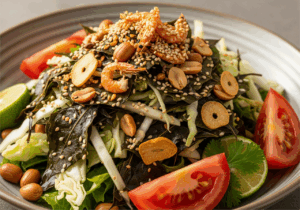
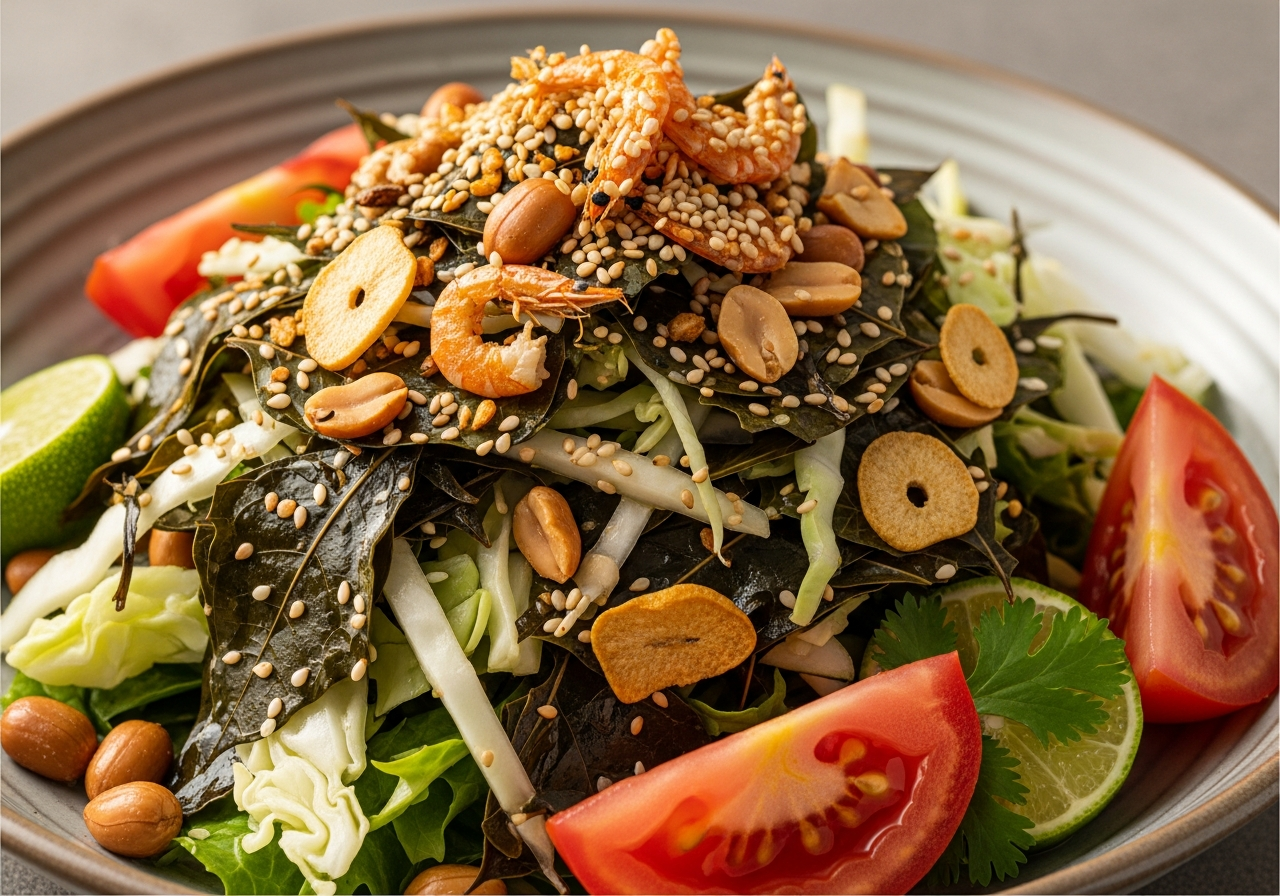
The magic of Laphet Thoke lies in its harmonious textures and bold flavor contrasts.At the center are the fermented tea leaves, tender yet resilient, offering an unmistakable earthy bitterness. Crisp elements like roasted peanuts, crunchy fried chickpeas, and thinly sliced garlic add satisfying crunch and rich nuttiness. Complementing these are fresh ingredients such as shredded cabbage, diced tomatoes, and thinly sliced shallots, lending brightness and freshness.
the dressing pulls everything together with a perfect balance of acidity and heat-lime juice provides a vibrant tang, while dried red chili flakes or fresh green chilies inject subtle spice. A drizzle of toasted sesame oil or peanut oil rounds out the palate with a hint of smokiness. This complex layering of flavors and textures makes every forkful a dynamic experience, showcasing Burmese cuisine’s famed balance of sour, salty, spicy, and bitter notes.
Tips for Sourcing and Serving the Perfect Burmese Tea Leaf Salad at Home
Finding authentic fermented tea leaves can be a rewarding adventure. specialty asian markets or Burmese grocery stores often carry ready-fermented leaves labeled as “laphet” or “pickled tea leaves.” When unavailable, look for high-quality fermented tea leaf products online with good reviews for freshness and authenticity.
To assemble a visually stunning and authentic Laphet Thoke, prepare the fermented leaves by rinsing gently to remove excess salt and draining thoroughly. Balance the quantities of crunchy components and fresh vegetables to create contrast. Serve instantly and encourage guests to mix the salad right before eating for the freshest taste and crispiest texture.
Presentation plays a crucial role in honoring Burmese tradition-use a large shallow bowl to spread the salad, and garnish with extra roasted nuts, fried garlic chips, and a wedge of lime, inviting guests to savor this bold and vibrant delicacy together.
Prep and Cook Time
Preparation: 20 minutes
Fermentation (if preparing from fresh leaves): 2-3 weeks (optional)
Assembly: 10 minutes
Yield
Serves 4 as an appetizer or side dish
Difficulty Level
Medium – requires some specialty ingredients and attention to assembling flavors
Ingredients
- 100g fermented tea leaves (laphet), rinsed and drained
- 1 cup shredded green cabbage
- 1 medium tomato, finely diced
- 2 shallots, thinly sliced
- 1/4 cup roasted peanuts, roughly chopped
- 1/4 cup fried chickpeas or yellow split peas
- 2 cloves garlic, thinly sliced and fried until golden
- 1 tablespoon toasted sesame oil or peanut oil
- 2 tablespoons fresh lime juice
- 1 teaspoon sugar
- 1/2 teaspoon chili flakes (adjust to taste)
- Fresh coriander leaves for garnish (optional)
Instructions
- Prepare the fermented tea leaves: If using store-bought laphet, rinse gently under cold water to remove excess salt, then drain well using a fine mesh sieve. Set aside.
- Combine fresh vegetables: In a large mixing bowl, toss the shredded cabbage, diced tomato, and sliced shallots until evenly combined.
- Add crunchy elements: Stir in the roasted peanuts, fried chickpeas, and golden fried garlic slices, balancing textures throughout.
- Make the dressing: In a small bowl, whisk together lime juice, sugar, sesame oil, and chili flakes until sugar dissolves and ingredients emulsify.
- Assemble the salad: Pour the dressing over the combined vegetables and crunchies,tossing gently but thoroughly to distribute flavors.
- incorporate the tea leaves: Fold in the drained fermented tea leaves carefully, ensuring they are evenly integrated without breaking them down too much.
- Final adjustments: Taste the salad and adjust lime juice, chili, or sugar according to preference for a perfectly balanced bite.
- Garnish and serve: Transfer the Laphet Thoke to a shallow bowl and sprinkle with fresh coriander if desired. serve immediately for optimal freshness and texture.
Chef’s Notes
- For authentic flavor, always seek out quality fermented tea leaves; avoid substitutes for this essential ingredient.
- If fermented tea leaves are unavailable, experiment with pickled mustard greens as a last resort, though the flavor will differ.
- For a vegan version, ensure fried chickpeas are cooked in vegetable oil and avoid fish sauce if added in some recipes.
- Make ahead: Prepare all components except the tea leaves and dressing up to 24 hours early. Combine just before serving for crisp freshness.
- Customize spice levels by adding fresh sliced green chilies or adjusting chili flakes to your taste.
Serving Suggestions
Traditionally served as a palate-cleansing appetizer alongside Burmese curries or rice dishes, Laphet Thoke shines on its own or as part of a colorful spread. Present the salad in a wide, shallow serving bowl to show off its layers and textures. Accompany with warm jasmine rice for a comforting meal, or pair with crisp lotus stem fritters for authentic contrast.
For visual appeal, scatter extra roasted peanuts and fried garlic chips over the top, and offer lime wedges on the side, allowing guests to customize brightness and acidity to their liking.

| Nutrient | Per Serving |
|---|---|
| Calories | 180 kcal |
| Protein | 6 g |
| Carbohydrates | 15 g |
| Fat | 10 g |
To deepen your appreciation for Burmese culinary traditions, be sure to explore our related recipe on Burmese Curries and discover more about Southeast Asia’s rich, diverse flavors. for an authoritative overview on tea fermentation, visit the ScienceDirect Tea Fermentation article.
Q&A
Q&A: Laphet Thoke – Exploring Burma’s Bold Fermented tea Leaf Salad
Q: What exactly is Laphet thoke?
A: Laphet thoke,often described as Burma’s national salad,is a vibrant dish made from fermented tea leaves mixed with an array of crunchy and aromatic ingredients. It’s not just a salad-it’s a cultural icon steeped in history, flavor, and Burmese hospitality.
Q: Why are fermented tea leaves used in this salad?
A: The magic lies in fermentation. fermented tea leaves add a tangy, earthy depth that’s both bold and complex, setting laphet Thoke apart from other salads. This process transforms or else bitter tea leaves into a savory delight bursting with umami.
Q: What ingredients typically go into Laphet Thoke?
A: The beauty of Laphet Thoke is in its texture and balance. Alongside the fermented tea leaves, you’ll find toasted peanuts, crunchy yellow split peas, crispy garlic, fried sesame seeds, fresh tomatoes, dried shrimp, lime juice, chili flakes, and sometimes shredded cabbage or crunchy beans. Each bite offers a symphony of flavors-sour, salty, spicy, and nutty.
Q: How is Laphet Thoke traditionally served?
A: Traditionally, Laphet Thoke is served in small bowls or plates as a communal dish, encouraging conversation and connection. It’s enjoyed as a snack, appetizer, or side dish, often accompanied by tea-fitting for a dish centered around the tea leaf!
Q: What cultural significance does Laphet Thoke hold in Burma?
A: Beyond its culinary appeal, Laphet Thoke symbolizes unity and respect in Burmese culture. Historically, sharing laphet conveyed peace and friendship, and it often features in social gatherings, festivals, and even diplomatic exchanges. It’s a dish that literally brings people together.
Q: Can I try making Laphet Thoke at home?
A: Absolutely! While sourcing authentic fermented tea leaves might be tricky outside Myanmar, specialty Asian markets or online shops usually carry them. The salad itself is straightforward to assemble-layering textures and flavors to create a bold, unique experience right in your kitchen.
Q: How does Laphet Thoke compare to other fermented foods?
A: Like kimchi or sauerkraut, Laphet Thoke celebrates fermentation’s transformative power, but its base ingredient-tea leaves-is uniquely Burmese. This gives it a distinct earthy bitterness tempered by tangy, spicy, and crunchy accompaniments, making it a flavorful ambassador of Southeast Asia’s fermentation traditions.
Q: Why should adventurous eaters give Laphet Thoke a try?
A: If you crave bold, layered flavors combined with a story steeped in culture, Laphet Thoke is a culinary adventure waiting to happen. It challenges the palate, surprises with texture, and invites you to savor a slice of Burma’s rich heritage-one fermented leaf at a time.
To Conclude
As we peel back the layers of Laphet Thoke, Burma’s bold fermented tea leaf salad, we discover more than just a dish – it’s a vibrant tapestry woven from history, culture, and communal spirit. Each tangy, bitter bite tells a story of tradition passed down through generations, a celebration of patience in fermentation, and the artistry of balancing flavors. Whether enjoyed at a bustling Yangon market or recreated in your own kitchen, Laphet Thoke invites us to savor not onyl its unique taste but the rich heritage it embodies. So next time you seek an adventurous palate or a deeper connection to Burmese culture, let this spirited salad be your guide into the heart of Burma’s culinary boldness.