
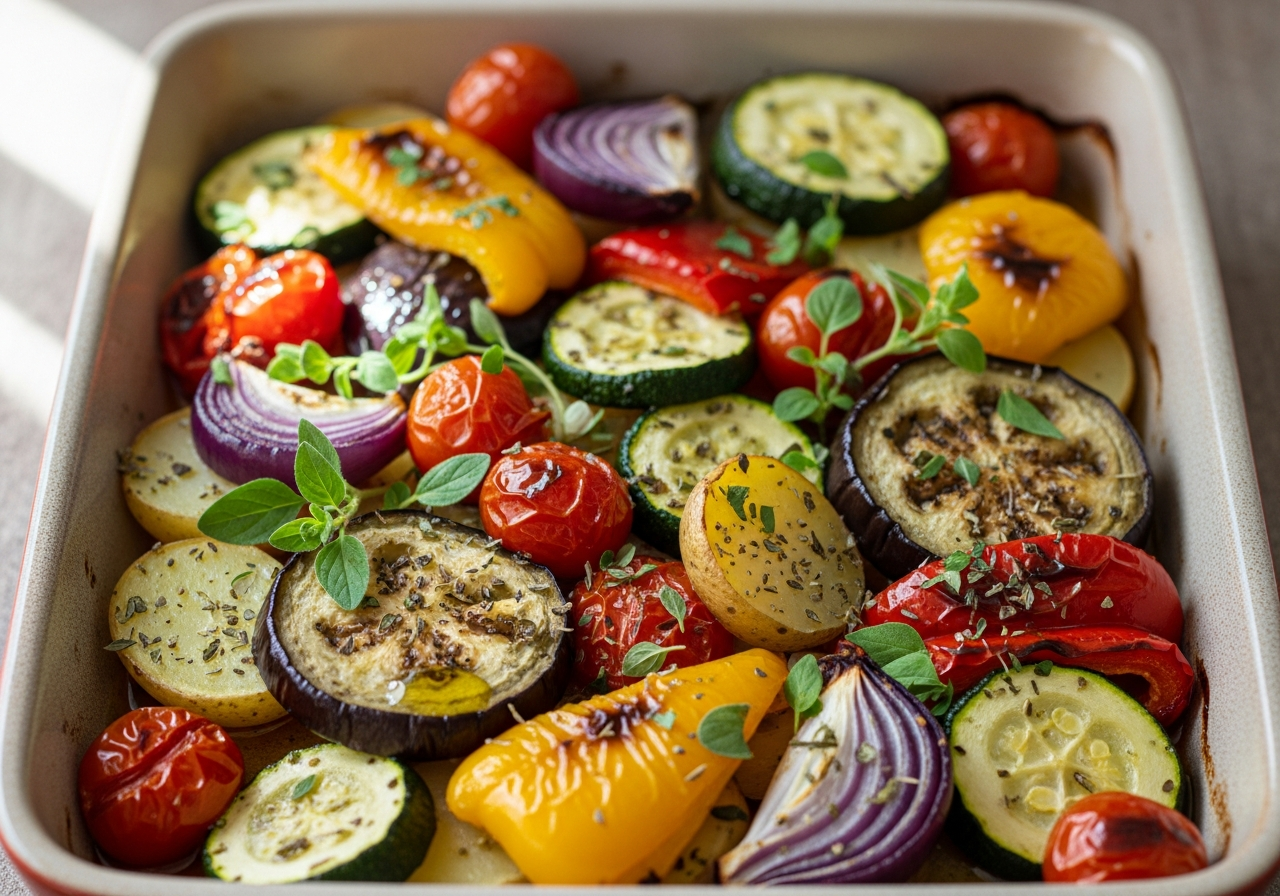
Nestled in teh sun-drenched kitchens of Greece, where tradition meets vibrant simplicity, lies a dish that paints a flavorful portrait of Mediterranean life: Briam. This colorful roasted vegetable medley bursts with the essence of summer’s freshest bounty-zucchini,eggplant,tomatoes,potatoes,and peppers-draped in fragrant olive oil and kissed by herbs like oregano and thyme. More than just a side dish, Briam embodies the heart of Greek cuisine: rustic, wholesome, and effortlessly delicious. In this article, we’ll unveil the story behind Greece’s beloved veggie delight, explore its timeless planning, and reveal why Briam continues to capture the appetites and imaginations of food lovers around the world.
Briam Unveiled: Greece’s Colorful Roasted Veggie Delight offers a vibrant journey into Mediterranean culinary tradition. Rooted deep in Greek island and mainland heritage, this vegetable medley reflects the essence of simplicity and freshness that defines Greek cuisine. Imagine the humble farmer’s meal transformed into a colorful, aromatic dish that celebrates summer’s bounty – deep roasted eggplants, zucchini, potatoes, and ripe tomatoes mingling with fragrant herbs and robust olive oil.
discovering the Origins and Cultural Meaning of Briam Unveiled
Briam, sometimes called “Greek Ratatouille,” is more than just roasted vegetables; it’s a dish steeped in history. Originating from peasant kitchens across Greece, it was designed to maximize seasonal produce, relying on local, affordable ingredients.Each bite carries whispers of sunny Mediterranean gardens and communal family dinners, where this dish was served as a hearty main or a side to grilled meats and fresh bread. Briam also symbolizes the Greek philosophy of “philotimo” – a love of hospitality and care through cooking.
essential Ingredients and Traditional Preparation Techniques
The heart of Briam is its exquisite array of fresh vegetables, seasoned thoughtfully to coax out bold yet balanced flavors. Key players include eggplant, zucchini, potatoes, ripe tomatoes, and onions. The magic unfolds with generous use of extra virgin olive oil, fresh garlic, vine-ripened herbs like oregano and parsley, and just a touch of seasoning – sea salt and freshly cracked black pepper. Traditionally, these vegetables are sliced evenly and layered gently, then slow-roasted to meld textures and infuse each piece with a savory, herbaceous aroma.
Perfecting the Roast Unlocking Flavors and Texture Tips
When roasting, temperature and timing are pivotal.Briam Unveiled truly shines when roasted low and slow at around 350°F (175°C), allowing the vegetables to caramelize gently and the garlic and herbs to perfume the olive oil. For ideal texture, slice vegetables evenly-about ½ inch thick-to ensure even cooking without mushiness. Resist stirring too much; letting the vegetables nestle undisturbed in the pan helps create golden edges and deep, smoky flavor notes. A final drizzle of extra olive oil halfway through roasting boosts silkiness and richness.
prep and Cook Time
- Preparation: 20 minutes
- Cook time: 1 hour 15 minutes
- Total time: 1 hour 35 minutes
Yield
Serves 6 generously as a main or 8 as a side dish.
Difficulty Level
Easy: Perfect for home cooks seeking a reliable, flavorful Mediterranean classic.
Ingredients
- 3 medium eggplants, sliced into ½ inch rounds
- 3 medium zucchinis, sliced into ½ inch rounds
- 4 medium potatoes, peeled and sliced into ½ inch rounds
- 5 ripe tomatoes, chopped roughly
- 2 large onions, thinly sliced
- 4 cloves garlic, minced
- ½ cup extra virgin olive oil, plus more for drizzling
- 1 cup fresh parsley, chopped
- 1 tbsp dried oregano (or 2 tbsp fresh oregano)
- 1 tsp sea salt
- ½ tsp cracked black pepper
- 1 lemon, juiced (optional for brightness)
Instructions
- Preheat your oven to 350°F (175°C). Prepare a large roasting pan by lightly brushing it with olive oil.
- Prepare the vegetables: Slice eggplants, zucchinis, and potatoes evenly to ensure uniform cooking. Chop tomatoes and slice onions thinly.
- Layer the veggies: Arrange the potato slices evenly on the base, followed by overlapping layers of eggplant, zucchini, onions, and chunks of tomato.
- Season: Sprinkle minced garlic, salt, pepper, oregano, and chopped parsley evenly over the layered vegetables.
- drizzle olive oil: pour ½ cup of extra virgin olive oil generously over the entire dish to help flavors meld and vegetables soften perfectly.
- Cover tightly with foil and roast in the preheated oven for 45 minutes. This helps steam the vegetables and infuse the herbs.
- Remove foil: Carefully take off the foil, drizzle a bit more olive oil, and roast uncovered for an additional 30 minutes. This step allows the vegetables to caramelize and develop texture.
- Optional lemon juice: After roasting, squeeze fresh lemon juice over the Briam for a subtle tang that brightens the earthy flavors.
- Let rest: Allow the Briam to cool slightly before serving; this resting period settles juices and deepens flavor complexity.
Tips for Success
- Vegetable variations: Incorporate bell peppers or carrots for added sweetness and color.
- Substitutions: use sweet potatoes instead of regular if you prefer a sugarier note.
- Make ahead: Briam tastes even better the next day once flavors meld – refrigerate overnight and gently reheat.
- Garlic infusion: Sauté garlic lightly in olive oil beforehand to mellow its pungency if you prefer a subtler flavor.
- Prevent sogginess: Avoid overcrowding the pan and slice vegetables uniformly for even roasting without watery texture.
Serving Suggestions Pairing Briam with Greek Favorites
Serve this colorful roasted vegetable medley alongside creamy tzatziki or a crisp Greek salad for a fresh, textural contrast. It’s excellent with grilled lamb chops, souvlaki skewers, or simply stacked on warm pita bread for a wholesome vegetarian meal. Garnish with freshly chopped parsley, crumbled feta, and a light drizzle of olive oil to elevate its rustic charm. A glass of chilled Assyrtiko wine complements the vibrant flavors perfectly, making every bite an authentic Grecian experience.

| Nutrition per Serving | Amount |
|---|---|
| Calories | 180 kcal |
| Protein | 4 g |
| Carbohydrates | 22 g |
| Fat | 8 g |
For more inspiration on Mediterranean dishes, explore our Mediterranean Diet Benefits article.to learn about the history of Greek cuisine, visit the Greece Is portal for rich cultural insights.
Q&A
Q&A: Briam Unveiled – greece’s Colorful Roasted Veggie Delight
Q: What is Briam?
A: Briam is the vibrant soul of Greek cuisine captured in a single dish. It’s a medley of summer vegetables-think zucchini, eggplant, tomatoes, potatoes, and sometimes bell peppers-roasted slowly in olive oil, garlic, and herbs until tender and gloriously caramelized. Imagine a mosaic of colors and flavors, baked together like a warm Greek sunset on your plate.
Q: Where does Briam come from?
A: Briam is a beloved traditional recipe from Greece, rooted deeply in the humble kitchens along the Mediterranean coast. Its origins trace back to peasant cooking, where locals made the most of seasonal vegetables and simple pantry staples. Over time, it became a festive staple, symbolizing the heart and harvest of the Aegean countryside.
Q: What makes Briam unique compared to other roasted vegetable dishes?
A: While roasted veggies exist worldwide, Briam’s magic lies in its marriage of ingredients and technique. The vegetables are sliced thick and layered in a single pan, doused generously in extra virgin olive oil, infused with fragrant oregano, thyme, and parsley, then slow-roasted until the edges crisp and the flavors meld into a rich, savory symphony. It’s less a side dish and more a vegetable celebration.
Q: Can Briam be customized?
A: Absolutely! Briam is a flexible canvas. While the classic mix features zucchini, eggplant, potatoes, and tomatoes, you can experiment with onions, garlic cloves, or even add chickpeas for protein. Some versions incorporate feta cheese sprinkled on top near the end for a tangy kick. The heart of Briam is cooking with love and seasonal bounty-feel free to personalize it.
Q: When and how is Briam traditionally served?
A: Briam is typically served as a main vegetarian dish or as a flavorful side alongside grilled meats or fish. it’s enjoyed warm or at room temperature, often accompanied by crusty bread and a drizzle of fresh olive oil.In Greece, it’s a comforting home-cooked meal during family gatherings or a festive meze at lively taverna tables.
Q: What makes briam a healthy choice?
A: Packed with fresh vegetables and drenched in heart-healthy olive oil, Briam is a powerhouse of antioxidants, fiber, and vitamins.Cooking vegetables slowly retains thier nutrients and natural sweetness. It exemplifies the Mediterranean diet’s principles-simple, fresh, and wholesome-making it both delicious and nourishing.Q: Any tips for making the perfect Briam at home?
A: For a stellar Briam, slice your veggies uniformly for even cooking, don’t skimp on olive oil-it’s the flavor carrier! Use fresh herbs and salt generously to coax out the natural sweetness of the vegetables. Roast low and slow, around 350°F (175°C) for about an hour, until the edges caramelize and the center is meltingly soft. Lastly, let it rest briefly to deepen the flavors before serving.
Q: How does briam embody Greek culture?
A: Briam is more than just food; it embodies Greek life’s rhythms-the respect for nature’s gifts, the joy of communal meals, and the savvy simplicity that turns everyday ingredients into something unusual. It’s a dish that invites sharing, storytelling, and celebration-true expressions of Greek hospitality and heritage.
Whether you’re a culinary adventurer or a veggie lover seeking inspiration, Briam invites you to savor the sun-drenched flavors of Greece-one colorful, roasted bite at a time.
Future Outlook
As the vibrant hues of roasted peppers, tender zucchini, and luscious eggplant come together in Briam, we uncover more than just a dish-we discover a celebration of Greece’s rich agricultural heritage and the simple joy of seasonal produce. This colorful medley, kissed by olive oil and fragrant herbs, invites us to savor the essence of the Mediterranean sun in every bite. Whether enjoyed warm from the oven or at room temperature alongside crusty bread and a tangy feta,Briam stands as a testament to the beauty of humble ingredients transformed through time-honored tradition. So next time you seek a wholesome, flavorful adventure on your plate, let briam guide you straight to the heart of Greece’s kitchen and its colorful story.