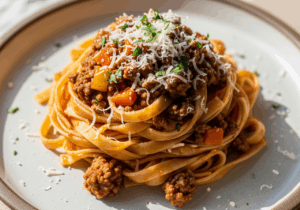

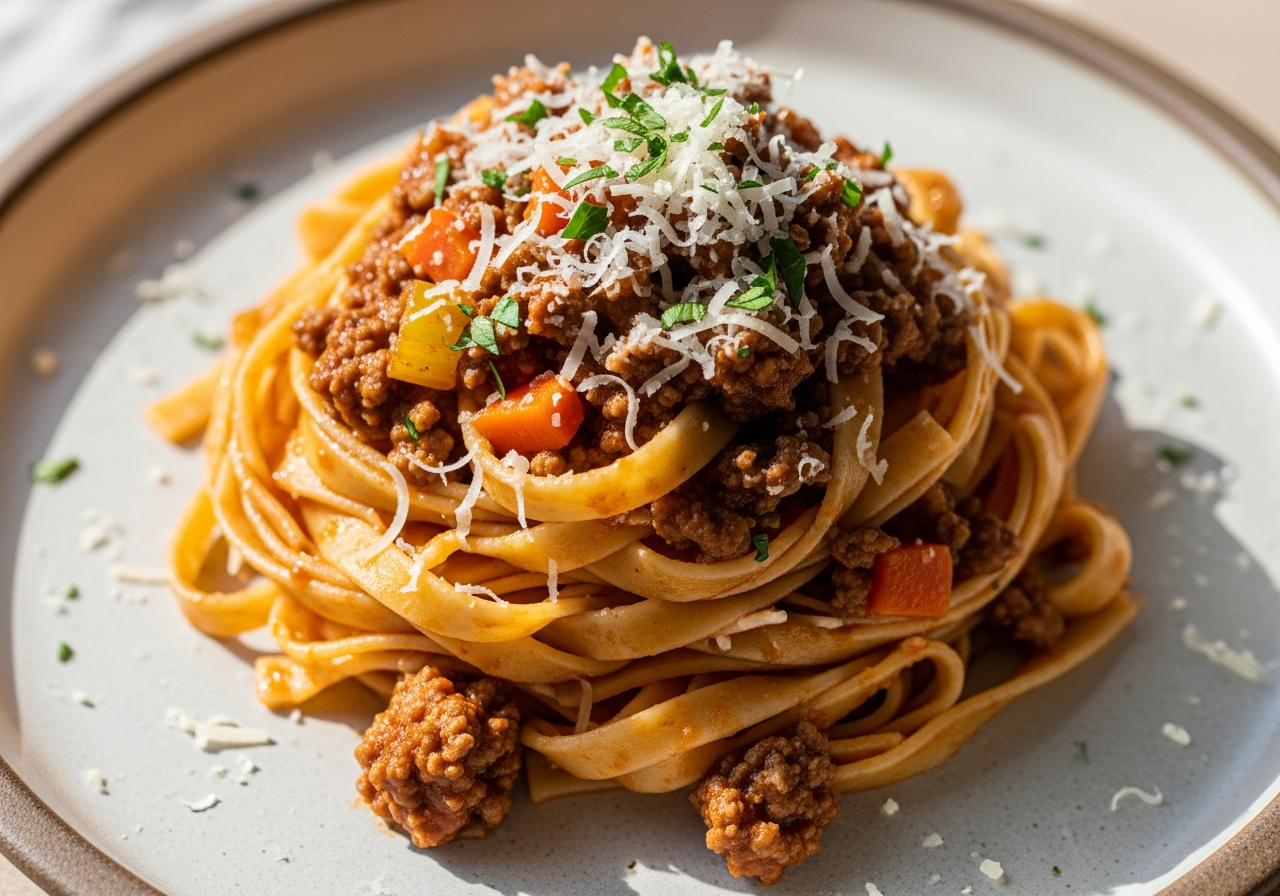
In the heart of italys Emilia-Romagna region lies a culinary treasure that has captured the palates and imaginations of food lovers worldwide: Tagliatelle Bolognese. More than just a pasta dish, it is a rich tapestry of tradition, flavor, and history woven together by generations of Italian cooks. This emblematic pairing of ribbon-like tagliatelle and slow-simmered ragù tells a story of rustic kitchens,family gatherings,and the art of coaxing the deepest flavors from simple ingredients. Join us as we unveil the origins, secrets, and enduring appeal of Italy’s iconic Tagliatelle Bolognese-a timeless classic that continues to embody the soul of Italian cuisine.
Tagliatelle Bolognese: Italy’s Iconic Pasta Dish Unveiled
tagliatelle Bolognese is more than just a hearty meal; it is indeed a timeless symbol of Italian culinary artistry, rooted deeply in the traditions of Bologna. This exquisite fusion of silky fresh pasta and a rich,slow-cooked ragù showcases the true soul of Italian comfort food. The journey from humble beginnings to becoming a worldwide favorite is a testament to its authentic flavors and meticulous preparation techniques. Whether you’re a seasoned chef or a passionate home cook, mastering this dish transports you to the vibrant streets of Italy with every bite.
Origin and Evolution of Tagliatelle Bolognese
Dating back to the 18th century, the origins of this beloved dish stem from Bologna, a city famous for its rich culinary heritage. Unlike the red sauce variations popular elsewhere, customary Bolognese ragù is a slow-simmered, meat-based sauce crafted from a delicate blend of pork and beef, anchored by aromatics like carrot, celery, and onion. Tagliatelle, the ribbon-like fresh egg pasta native to Emilia-Romagna, was tailored to cradle this robust sauce perfectly, creating a match made in Italian heaven.
The evolution of this dish is deeply intertwined with Italy’s regional pride in artisanal pasta making. Over generations, the layering of flavors became more defined-each simmer adding complexity and depth. Today, Tagliatelle Bolognese continues to honor tradition while inviting subtle modern twists, maintaining an unwavering dedication to genuine ingredients and careful preparation.
Prep and cook time
- Preparation: 20 minutes
- Cooking: 2 hours 30 minutes
- total Time: 2 hours 50 minutes
Yield
Serves 4 generous portions
Difficulty Level
Medium – Requires patience for the slow-cooked ragù and basic skill for making fresh pasta.
Authentic Ingredients and Traditional Preparation Techniques
- 300g (2 cups) all-purpose flour, sifted
- 3 large eggs, preferably free-range
- 2 tbsp olive oil, extra virgin
- 2 tbsp unsalted butter
- 1 medium carrot, finely diced
- 1 celery stalk, finely diced
- 1 small onion, finely diced
- 200g (7 oz) ground pork
- 200g (7 oz) ground beef, lean
- 150ml dry white wine
- 400g canned San Marzano tomatoes, crushed
- 2 tbsp tomato paste
- 250ml whole milk
- Salt and freshly cracked black pepper, to taste
- Freshly grated Parmigiano-Reggiano, for serving
- Fresh basil or flat-leaf parsley, for garnish
Instructions
- Prepare the tagliatelle dough: On a clean surface, mound the flour and create a well in the centre.Crack the eggs into the well and add olive oil. Using a fork, gradually incorporate the flour into the eggs until a rough dough forms.
- Knead the dough: Knead for 8-10 minutes until smooth and elastic. Wrap in plastic and let rest for 30 minutes at room temperature.
- Roll and cut the pasta: Divide dough into 4 portions. Roll out thinly with a pasta machine or rolling pin, dusting with flour to prevent sticking. Cut into 6-8 mm wide ribbons-classic tagliatelle width.
- Form the soffritto: In a heavy-bottomed pan, melt butter over medium heat. Add carrot, celery, and onion and sauté until golden brown, about 5 minutes, stirring occasionally to prevent sticking.
- Cook the meats: Add ground pork and beef to the soffritto. Break up meat with a wooden spoon and brown for 8 minutes, allowing flavors to deepen.
- Deglaze and simmer: Pour in white wine, stirring to scrape up any caramelized bits. Let it reduce by half (around 5 minutes).
- Add tomatoes and tomato paste: Stir in crushed San Marzano tomatoes and tomato paste.Season lightly with salt and pepper.
- Simmer with milk: pour in the whole milk, which mellows the acidity. Reduce heat to low and simmer gently, uncovered, for 2 hours. Stir every 20 minutes; add a splash of water if sauce thickens too much.
- Cook the tagliatelle: Boil salted water in a large pot. Cook fresh tagliatelle for 2-3 minutes or until al dente. Drain, reserving ½ cup pasta water.
- Combine and serve: Toss tagliatelle with ragù, adding reserved pasta water to achieve a silky coat. Plate generously and sprinkle with Parmigiano-Reggiano and fresh herbs.
chef’s Notes: Insider Tips for Crafting the Ultimate Homemade Tagliatelle Bolognese
- Use fresh, high-quality ingredients: Real San Marzano tomatoes and fresh eggs elevate flavor dramatically.
- Patience is key: The two-hour simmer unlocks the deep complexity of the ragù-never rush this step.
- Pasta perfection: Rolling the tagliatelle to a delicate thinness ensures the sauce clings perfectly.
- Make-ahead magic: Ragù tastes even better the next day; refrigerate and gently reheat before serving.
- Texture balance: Adding a splash of milk cuts acidity and adds silkiness; don’t skip this traditional step.
- Variations: For a richer profile, substitute half the pork for veal or pancetta.
Pairing Perfection: How to Serve for Maximum Flavor
Present your Tagliatelle Bolognese family-style on rustic ceramic dishes for a warm, inviting visual appeal. A generous fresh shaving or grate of Parmigiano-Reggiano atop the pasta adds salty creaminess that elevates each forkful. Garnish with radiant green basil or flat-leaf parsley to introduce freshness and color contrast.
Pair this with a medium-bodied Italian red wine such as Sangiovese or Barbera, which complements the meaty ragù without overpowering it. A crisp green salad dressed with lemon vinaigrette and warm crusty bread round out a perfectly balanced meal. For dessert lovers, an authentic Tiramisu or Panna Cotta provides an ideal sweet finish.
| Nutritional Info (per serving) | Calories | Protein | Carbs | Fat |
|---|---|---|---|---|
| Tagliatelle Bolognese | 550 kcal | 32 g | 55 g | 18 g |
For those eager to dive deeper into pasta recipes, explore our guide to Mastering Fresh Pasta at Home. Additional culinary history and authentic ingredient sourcing can be explored at Accademia Italiana della Cucina.

Q&A
Q&A: Tagliatelle Bolognese – Italy’s Iconic Pasta Dish Unveiled
Q1: What exactly is Tagliatelle Bolognese?
A1: Tagliatelle Bolognese is a classic Italian dish hailing from the Emilia-Romagna region, featuring broad, flat ribbons of fresh egg pasta (tagliatelle) generously coated in a rich, slow-simmered meat sauce known as ragù alla Bolognese. It’s the perfect marriage of rustic tradition and culinary artistry.Q2: How did Tagliatelle bolognese become such an iconic Italian dish?
A2: Its roots date back to Bologna, where local cooks perfected this hearty sauce by combining minced beef and pork with soffritto, tomatoes, wine, and milk or cream, simmering it lovingly for hours. It became synonymous with Italian comfort food-both simple and sophisticated-capturing Italy’s passion for slow-cooked flavors and fresh pasta.
Q3: What makes tagliatelle the ideal pasta choice for Bolognese sauce?
A3: tagliatelle’s broad, flat shape and slightly porous texture provide ample surface area to cling to the thick ragù, ensuring each bite bursts with meaty goodness. Unlike thinner pastas, tagliatelle holds up to the hearty sauce without getting lost in it-giving you that perfect balance every time.
Q4: Can you share any secrets to making an authentic Bolognese sauce?
A4: The magic lies in patience and layers: start with finely diced soffritto (onion, celery, carrot), brown your meats slowly, deglaze with wine, introduce tomatoes sparingly, then simmer gently for hours while adding milk or cream to mellow the acidity. It’s about coaxing out deep, harmonious flavors-not rushing the process.
Q5: How does Tagliatelle Bolognese differ from othre pasta and meat sauce pairings?
A5: Unlike swift tomato sauces, Bolognese is a symphony of savory, creamy, and aromatic notes built through slow cooking. The choice of pasta also defines the dish; tagliatelle’s texture and shape are purpose-built to embrace the robust ragù. This isn’t just pasta with meat sauce-it’s a carefully crafted regional classic steeped in tradition.
Q6: Are there modern twists on Tagliatelle Bolognese, or is tradition king?
A6: While purists hold tight to tradition, chefs worldwide experiment with substitutions-using turkey or lamb, adding mushrooms or pancetta, or even creating vegetarian versions with lentils or mushrooms.Still, the essence remains: slow-cooked richness paired with fresh pasta, honoring the spirit if not the letter of the original recipe.
Q7: What is the best way to serve and enjoy Tagliatelle Bolognese?
A7: Serve the pasta freshly cooked and tossed generously in warm Bolognese sauce. Finish with a dusting of aged Parmigiano-Reggiano and perhaps a drizzle of extra virgin olive oil. pair it with a robust red wine from the region, like Sangiovese, to complete your authentic Italian feast.
Q8: Why should food lovers around the world try Tagliatelle Bolognese?
A8: Beyond its irresistible taste, Tagliatelle Bolognese is a story on a plate-a testament to Italy’s culinary heritage, where simplicity meets depth.It invites you to slow down, savor each bite, and connect with a timeless tradition that has nourished families for generations. It’s more than food; it’s an experience.
final Thoughts
As the rich aroma of simmered tomatoes, tender beef, and fragrant herbs lingers in the air, Tagliatelle Bolognese stands as more than just a dish-it is indeed a culinary story steeped in tradition and passion. This iconic pasta, with its delicate ribbons perfectly cradling the hearty ragù, invites us to savor the essence of Emilia-Romagna’s gastronomic heritage. Whether enjoyed in a bustling trattoria in Bologna or recreated in your own kitchen, tagliatelle Bolognese continues to embody the timeless art of Italian cooking-where simplicity meets soul, and every bite tells a tale. So next time you twirl those golden strands, remember you’re partaking in a delicious chapter of Italy’s enduring food legacy.Buon appetito!