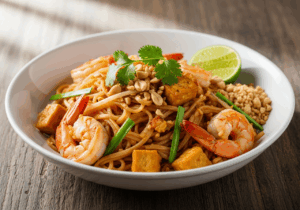

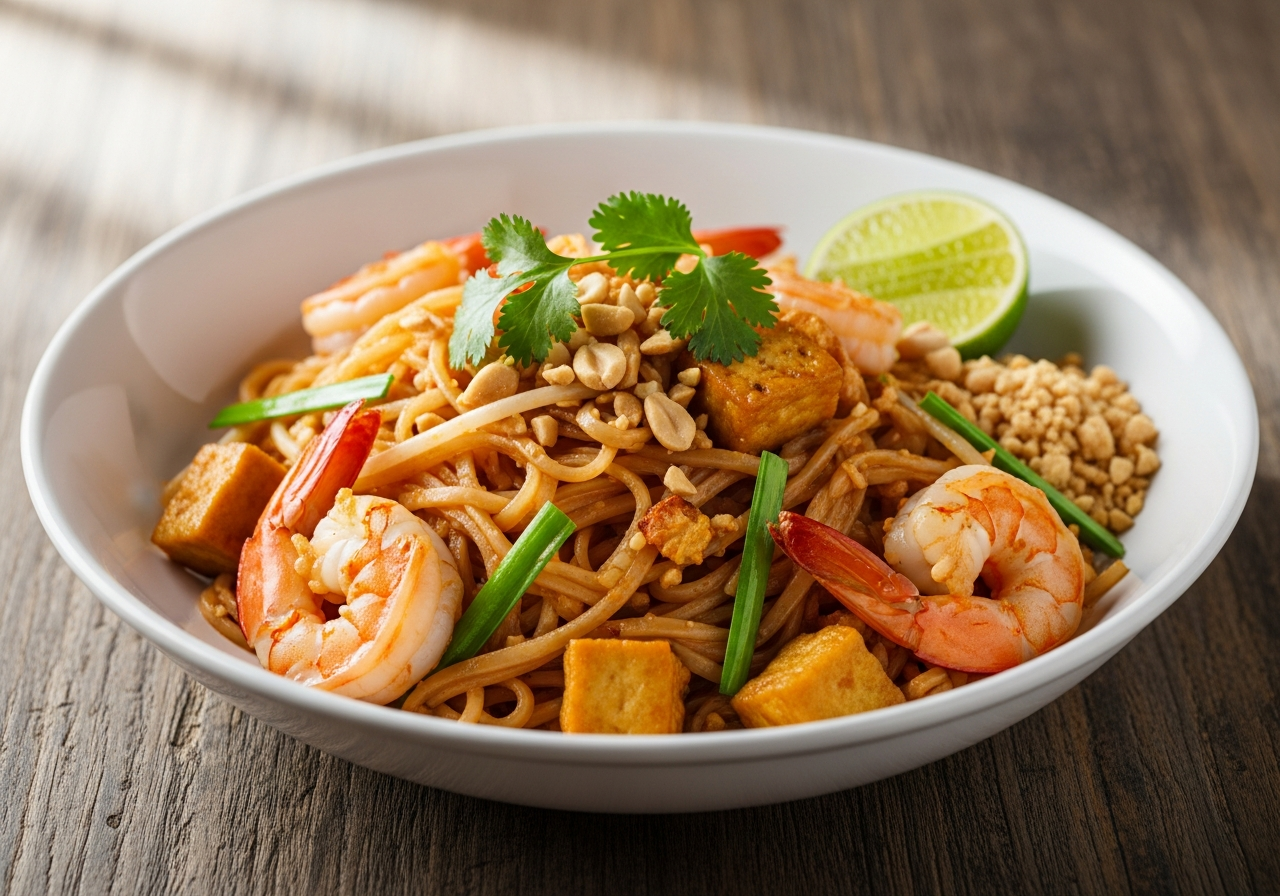
When it comes to beloved comfort foods, few dishes inspire as much craving and nostalgia as Pad Thai. The vibrant medley of tangy tamarind, crunchy peanuts, fresh veggies, and tender noodles creates a symphony of flavors that dance on the palate. But for those embracing a low-carb lifestyle, traditional Pad Thai-with its generous helping of rice noodles-can feel out of reach.Enter the humble spaghetti squash: nature’s own noodle substitute that transforms this classic Thai dish into a keto-pleasant masterpiece. In this article, we’ll unveil how to reinvent Pad Thai by swapping carbs for nutrients, delivering all the bold flavors you love with a fraction of the carbs. Get ready to embark on a culinary adventure where health meets indulgence in the most delicious way possible.
keto Spaghetti Squash Pad Thai offers a vibrant, low-carb choice that captures the essence of a beloved Thai street food classic while embracing wholesome, keto-friendly ingredients. This recipe transforms the naturally stringy flesh of spaghetti squash into a delightful noodle base, marrying authentic flavors with health-conscious substitutions. As a long-time culinary content creator and food stylist, I’ve experimented extensively to perfect both the flavor balance and visual appeal, ensuring every bite is as satisfying as the traditional dish, but without the carb overload.
Prep and Cook Time
Preparation: 15 minutes | Cooking: 40 minutes | Total: 55 minutes
Yield
Serves 4 generous portions
Difficulty Level
Medium – Ideal for cooks pleasant with vegetable prep and sauce emulsification
Ingredients
- 1 medium spaghetti squash (about 2-3 lbs)
- 2 large eggs, lightly beaten
- 1 tbsp avocado oil (or othre neutral oil)
- 3 garlic cloves, minced
- 1 cup chicken breast or firm tofu, diced
- 1/2 cup mung bean sprouts, rinsed and drained
- 3 green onions, thinly sliced
- 1/4 cup crushed unsalted peanuts
- 1/4 cup fresh cilantro, chopped
- 1/2 red bell pepper, thinly sliced
- For the sauce:
- 3 tbsp tamari (gluten-free soy sauce)
- 1 tbsp almond butter
- 1 tbsp lime juice (freshly squeezed)
- 1 tsp fish sauce (optional but authentic)
- 1 tsp erythritol or preferred keto sweetener
- 1/2 tsp chili flakes (adjust to taste)
Instructions
- Roast the spaghetti squash: Preheat your oven to 400°F (200°C). Cut the spaghetti squash in half lengthwise and scoop out seeds.Place cut side down on a lined baking tray. Roast for 35-40 minutes until tender and strands separate easily with a fork.
- Prepare the Pad Thai sauce: In a small bowl, whisk together tamari, almond butter, lime juice, fish sauce, erythritol, and chili flakes until smooth and well combined. Set aside.
- Sauté aromatics and protein: heat avocado oil in a large non-stick pan over medium heat. Add minced garlic and sauté until fragrant, about 1 minute.Add diced chicken or tofu and cook until golden and cooked through, about 5-7 minutes.
- Scramble the eggs: Push the protein to one side and pour beaten eggs into the cleared space.Stir gently, allowing eggs to scramble softly. Combine with protein once cooked.
- Add the spaghetti squash strands: Using a fork, scrape the flesh of the roasted squash into long noodle-like strands directly into the pan. Toss gently to mix with eggs and protein.
- Pour in the sauce: Drizzle the prepared sauce over everything. Toss to coat the squash and other ingredients evenly while heating for 2-3 minutes. Avoid excessive stirring to preserve the squash’s noodle integrity.
- Add fresh veggies and garnishes: Fold in mung bean sprouts, bell pepper slices, and green onions. Remove from heat once veggies are slightly softened but still vibrant.
- Plate with flair: Divide into bowls and sprinkle with chopped peanuts and cilantro for the perfect crunchy, fresh contrast.
Chef’s Notes
- Texture Tip: Avoid overcooking spaghetti squash to prevent mushiness. Roasting until just tender preserves its “al dente” bite for a better Pad Thai experience.
- Nut-Free option: Substitute almond butter with tahini or omit peanuts and replace with pumpkin seeds for crunch.
- Make-Ahead: Roast the spaghetti squash and prep sauce in advance. Combine and cook just before serving to keep textures lively.
- Protein Swap: Use shrimp or thinly sliced beef for variety. Adjust sauté time accordingly.
- Enhance Flavor: Add a splash of freshly grated ginger or a squeeze more lime for a zingier finish.
Serving suggestions
Present this colorful keto dish in vibrant ceramic bowls for a pop of color. Garnish with extra crushed peanuts, fresh cilantro sprigs, and lime wedges. A side of steamed bok choy or sautéed snap peas complements the flavors beautifully.For beverage pairing, a crisp cucumber-infused sparkling water or a light jasmine tea works wonderfully to refresh the palate.
| Nutrient | Per Serving |
|---|---|
| Calories | 320 kcal |
| Protein | 27 g |
| Net Carbs | 8 g |
| Fat | 15 g |
Explore more delightful low-carb recipes like this: Keto Thai-Inspired Stir Fry. For an in-depth look at the health benefits of spaghetti squash, visit Healthline – Spaghetti Squash Benefits.

Q&A
Q&A: Keto Spaghetti Squash Pad Thai – A Low-Carb Twist on a Classic
Q: What makes this Keto Spaghetti Squash Pad Thai different from traditional Pad Thai?
A: The star of this dish is the spaghetti squash, which swaps out the usual rice noodles for a low-carb, nutrient-packed alternative.While traditional Pad Thai relies on rice noodles that spike your carb intake,spaghetti squash offers a fibrous,mildly sweet base that soaks up the flavors beautifully-making it perfect for keto and low-carb lifestyles without sacrificing that classic Pad Thai vibe.
Q: Can spaghetti squash realy mimic the texture of noodles?
A: Absolutely! When cooked properly, spaghetti squash naturally separates into thin, noodle-like strands. These “noodles” are tender yet slightly crisp, providing a refreshing contrast to the rich, savory-sweet sauce typically found in Pad Thai. It’s a delightful way to enjoy noodle dishes without the carb overload.
Q: How can I make this Keto Pad Thai sauce?
A: The sauce is all about balancing tangy,savory,sweet,and spicy notes with keto-friendly ingredients.Use tamarind paste, fish sauce, a low-carb sweetener like erythritol or monk fruit, fresh lime juice, and a dash of chili flakes. This combo recreates that iconic Pad Thai flavor profile in a way that’s keto-conscious and just as punchy.
Q: What protein options work best with this dish?
A: Traditional Pad Thai often features shrimp,chicken,or tofu-any of which work wonderfully here. For extra keto benefits,opt for fatty cuts like chicken thighs or ground pork.Shrimp adds a nice lightness, while tofu keeps it plant-based if you’re looking for a meatless option.
Q: are peanuts allowed on a keto diet?
A: Yes! Peanuts in moderation fit the keto lifestyle perfectly and bring that essential crunch and nutty richness to Pad Thai. Just be sure to use unsalted, whole peanuts or peanut butter without added sugars to keep it keto-friendly.
Q: How long does it take to prepare Keto Spaghetti Squash Pad Thai?
A: From roasting the spaghetti squash to mixing the sauce and tossing in your protein and veggies, you’re looking at about 40-50 minutes. It’s a bit more hands-on than takeout,but the freshness and health benefits are totally worth it.
Q: Can I make this dish ahead of time?
A: You can prep the spaghetti squash and sauce in advance, which makes weeknight dinners a breeze. tho, it’s best to combine and serve everything freshly cooked to preserve the squash’s texture and the vibrant flavors of the sauce.
Q: What veggies can I add to boost nutrition?
A: Bean sprouts,green onions,bell peppers,and shredded carrots are fantastic choices that complement the flavors and add crunch. Just keep the portions moderate to maintain the low-carb count.
Q: Is this recipe suitable for beginners?
A: Definitely! Though it sounds gourmet, the recipe is straightforward with simple steps and common ingredients. Plus, it’s a fun way to experiment with keto cooking and discover how comfort food classics can get a healthful makeover.
Q: What’s the best way to serve Keto Spaghetti Squash Pad Thai?
A: Serve it hot, garnished with crushed peanuts, fresh cilantro, and lime wedges for that authentic finish.A side of leafy greens or a light cucumber salad pairs beautifully to round out the meal.
Enjoy a guilt-free bowl of this flavorful, colorful Pad Thai reinvented for your keto journey-where tradition meets innovation on every forkful!
Concluding Remarks
Embracing the zesty flavors and satisfying textures of traditional Pad Thai doesn’t have to mean goodbye to your low-carb lifestyle. With this Keto Spaghetti Squash Pad Thai, you get the best of both worlds-a vibrant, nutrient-packed dish that honors the spirit of a classic favorite while keeping your carb count in check. Weather you’re keto-curious or a seasoned low-carb chef, this recipe offers a fresh, wholesome way to enjoy the tangy, nutty, and savory notes that make Pad Thai so beloved. So next time cravings strike, reach for spaghetti squash and whip up this guilt-free delight-your taste buds and your goals will thank you.