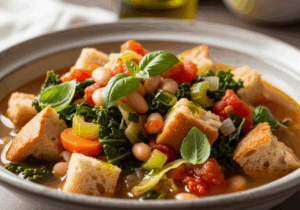

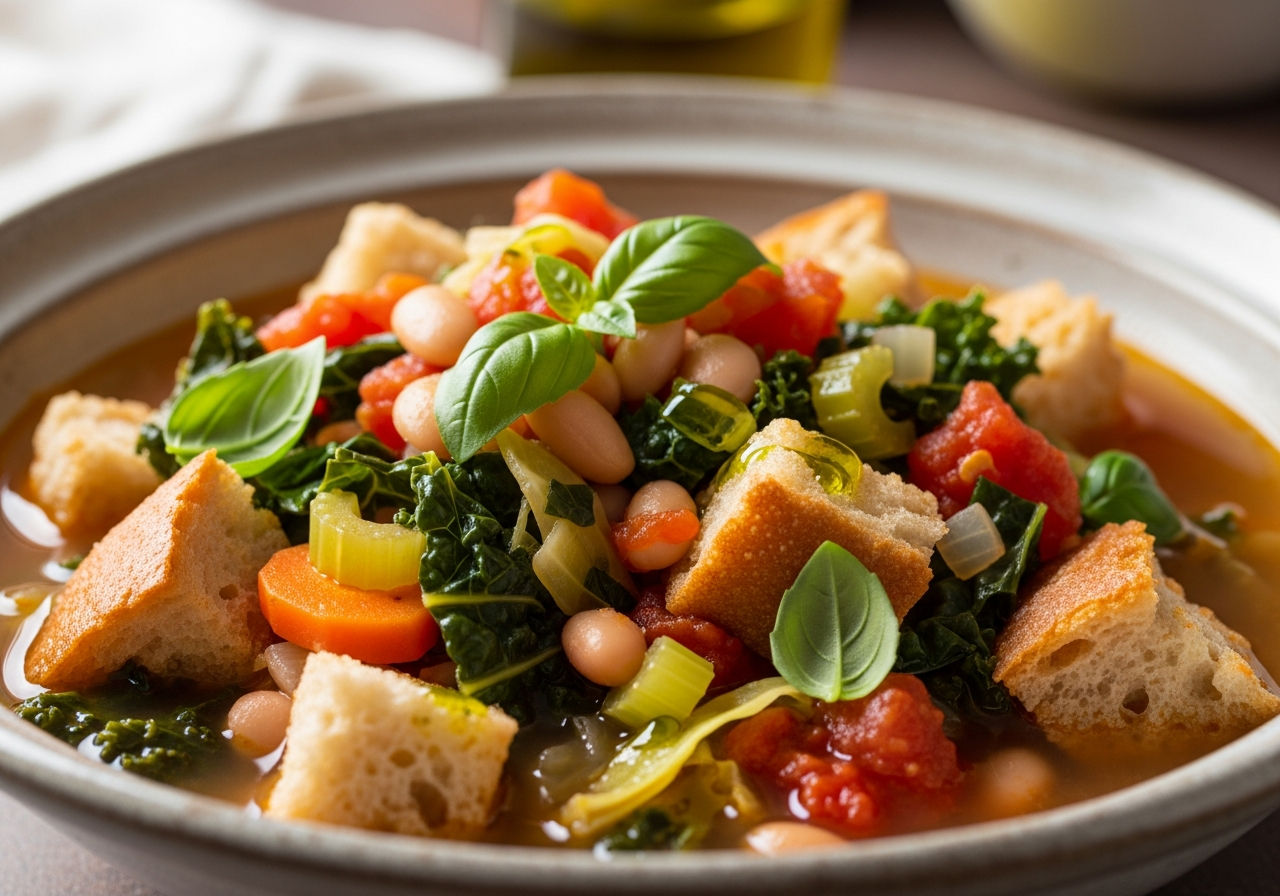
There’s something profoundly comforting about a bowl of ribollita-Tuscan countryside’s beloved, time-honored soup that turns humble ingredients into a soul-warming masterpiece. Rooted in teh frugality and resourcefulness of peasant kitchens, ribollita (meaning “reboiled”) is much more than just soup; it’s a party of rustic flavors, seasonal vegetables, and crusty bread transformed by slow-cooked magic. In this article, we’ll explore the rich history behind Tuscany’s classic comfort dish and guide you through a hearty ribollita recipe that invites you too savor a taste of Italian tradition, one spoonful at a time.
Hearty Ribollita soup recipe is more than just a comforting bowl of Tuscan tradition; it’s a journey through centuries-old peasant culture where nothing went to waste and flavors deepened with each reheating. Originating from humble beginnings in the rural kitchens of Tuscany, ribollita – literally meaning “reboiled” – was a thrifty way to transform leftover bread and vegetables into a soul-satisfying stew. Today, it embodies the essence of Italian cucina povera, combining rustic simplicity with rich, layered tastes that warm both body and spirit.
Prep and Cook Time
- Preparation: 20 minutes
- Cooking: 2 hours
- Total Time: 2 hours 20 minutes
Yield
Serves 6 hearty portions
Difficulty level
Medium – Requires patience but straightforward techniques
Key Ingredients That Bring Authentic Flavor to your Ribollita
- 1/2 cup extra virgin olive oil – For sautéing and enriching the soup’s body
- 1 large onion, finely chopped
- 2 cloves garlic, minced
- 2 medium carrots, diced
- 2 celery stalks, diced
- 1 small leek, cleaned and sliced
- 1 (14 oz) can diced tomatoes – Adds vibrant acidity and depth
- 1 bunch Cavolo Nero (Tuscan kale), stemmed and chopped – The star green
- 1 cup dried cannellini beans, soaked overnight or 2 cups cooked beans
- 6 cups vegetable or chicken broth
- Stale country bread (about 6 thick slices), torn into chunks – The crucial base
- Salt and freshly ground black pepper – To taste
- fresh rosemary and thyme sprigs – Aromatic herbs to elevate flavor
- Grated Parmesan or Pecorino Romano cheese (optional) – For finishing
Step by Step Guide to Crafting the Perfect Hearty Ribollita Soup
- Prepare the beans. If using dried cannellini beans, soak them overnight, then simmer in fresh water until tender (about 1 hour). Reserve the cooking liquid for added flavor.
- Sauté the soffritto. Heat olive oil in a large heavy-bottomed pot over medium heat.Add onion,garlic,carrots,celery,and leek. Cook, stirring occasionally, until vegetables turn translucent and fragrant, about 7-9 minutes.
- Add tomatoes and herbs. Stir in canned diced tomatoes, rosemary, and thyme. Simmer for 10 minutes, allowing the tangy sweetness to meld with the vegetables.
- Incorporate greens and beans. Add chopped Cavolo Nero and cooked beans with some bean cooking liquid or broth.Bring to a boil, then reduce to low and simmer gently for 45 minutes to an hour. Stir occasionally, letting the flavors fully develop.
- Add bread to thicken. Stir in torn stale bread chunks little by little. The bread will soak up liquid and thicken the soup, giving ribollita its signature hearty texture. Season generously with salt and pepper to taste.
- Reheat and serve. Ribollita is best served the next day after refrigeration and reheating – this “reboiling” deepens the flavor and softens the bread into a creamy embrace of textures.
Tips for Serving and Storing Ribollita to Maximize Its Richness
- serve hot with a generous drizzle of extra virgin olive oil and a sprinkle of freshly grated parmesan or Pecorino Romano cheese.
- Accompany with crunchy toasted Tuscan bread rubbed with garlic for contrast.
- Store leftovers in an airtight container – ribollita tastes even better after a day in the fridge. Reheat gently on the stove to preserve the savory aroma.
- Freeze in portions for up to 3 months; thaw overnight in the fridge and reheat slowly.
Chef’s Notes and Tips for Success
- Bean variety: Cannellini beans provide the authentic light creaminess. If unavailable, substitute with great northern beans but avoid kidney beans as they overpower.
- vegetables: Feel free to add seasonal greens like spinach or chard if Cavolo nero isn’t available, but the dark, slightly bitter kale is essential for that classic taste.
- Bread: Only use dense Tuscan-style unsalted bread or other country-style bread that soaks well without turning mushy.
- Make ahead: Ribollita improves in flavor after resting. Prepare a day ahead when possible.
- Optional protein: For a meaty twist, stir in some pancetta or Italian sausage during the soffritto step.
Serving Suggestions
For an authentic Tuscan experience, ladle the soup into rustic bowls, topping each serving with a spoonful of grated cheese and a drizzle of fragrant extra virgin olive oil.Pair with a glass of Chianti or a crisp white Vermentino wine. Brighten the table with a simple salad of arugula dressed with lemon and olive oil. To elevate presentation, garnish each bowl with a fresh sprig of rosemary or thyme.

| Nutrient | Per Serving |
|---|---|
| Calories | 320 kcal |
| Protein | 15 g |
| Carbohydrates | 45 g |
| Fat | 8 g |
For more Tuscan recipes that utilize simple, wholesome ingredients with bold flavors, check out our Tuscan Vegetable Stew. To deepen your understanding of the health benefits of beans and leafy greens, visit the Bon appétit nutrition guide.
Q&A
Q&A: Hearty Ribollita Soup Recipe – Tuscany’s Classic Comfort Dish
Q1: What is Ribollita, and why is it considered a classic Tuscan dish?
A: Ribollita, translating to “reboiled” in italian, is a traditional Tuscan soup known for its rustic charm and soul-warming qualities. Originating as a peasant dish, it was originally made by reheating leftover vegetable soup with stale bread. Today, Ribollita is celebrated across Tuscany for its rich, hearty flavors – a perfect harmony of beans, kale, vegetables, and bread – embodying the region’s simple yet profound culinary heritage.
Q2: What makes Ribollita different from other vegetable soups?
A: unlike a typical vegetable soup, Ribollita is thickened and enriched by day-old Tuscan bread, which absorbs the broth’s flavors and adds a creamy texture. It’s also distinctive for its slow-cooked medley of beans (usually cannellini), greens like cavolo nero (Tuscan kale), carrots, onions, and sometimes potatoes. The “reboiled” process deepens the soup’s flavors, making each reheating an even more comforting experience.
Q3: Can Ribollita be made vegetarian or vegan?
A: Absolutely! Traditional Ribollita is naturally vegetarian and often vegan. The magic lies in the vegetable broth and fresh produce. Just be sure to use vegan-friendly bread without butter or milk. The flavors develop beautifully without the need for meat or dairy, staying true to its humble origins.
Q4: what ingredients are essential for an authentic Ribollita?
A: The heart of Ribollita depends on a few key ingredients: cannellini beans (cooked and creamy), cavolo nero (Tuscan black kale), stale rustic bread, onions, carrots, celery, tomatoes, garlic, olive oil, and vegetable broth. Fresh herbs like rosemary and thyme give it an aromatic lift. Using quality extra virgin olive oil and hearty bread makes a meaningful difference in authenticity.
Q5: How do you prepare Ribollita to get the perfect texture and flavor?
A: The secret is patience. Start by sautéing your “soffritto” base of onions, carrots, and celery, then add garlic and tomatoes for depth. Simmer with beans,broth,and kale for at least an hour,allowing all flavors to melt together. Stir in torn stale bread pieces near the end to thicken the soup. Letting Ribollita rest – or better yet, refrigerate and reheat – allows that famous “reboiled” flavor to develop. Always finish with a drizzle of olive oil and a sprinkle of pepper.
Q6: When is the best time to enjoy ribollita?
A: Ribollita shines in the colder months, especially autumn and winter, when its warming, hearty nature is most comforting. It’s perfect as a main course for a cozy family dinner or a rustic starter at a Tuscan-style feast. Leftovers taste even better the next day,so it’s a fantastic make-ahead dish.
Q7: Are there variations or modern twists on Ribollita?
A: While purists stick to the classic recipe, creative cooks experiment by adding kale alternatives like spinach or swiss chard, incorporating other beans, or even a splash of balsamic vinegar for brightness. Some add a dash of chili flakes for warmth or top it with grated pecorino cheese for a salty finish. However you customize, the essence of Ribollita remains its humble, hearty spirit.
Q8: How does Ribollita reflect Tuscan culture and its culinary ideology?
A: ribollita is a testament to Tuscany’s resourceful,no-waste culinary tradition. It celebrates simple, seasonal ingredients transformed through care and time into a dish that comforts both body and soul.It reflects the Tuscan values of simplicity, sustainability, and respect for the land, inviting us to savor every ingredient’s essence and find joy in humble abundance.
Feel inspired to bring a taste of Tuscany into your kitchen? Whip up a pot of Ribollita and experience why this “soup to warm your bones” has been enchanting hearts for centuries!
Wrapping Up
As the rich aroma of simmered beans, kale, and rustic bread fills your kitchen, you can’t help but feel a little closer to the heart of Tuscany. Ribollita is more than just a soup; it’s a celebration of simplicity, tradition, and the resourcefulness of Italian home cooking.Whether served piping hot on a chilly evening or enjoyed as a wholesome lunch, this hearty dish invites you to savor every spoonful of comfort and history. So next time you crave a nurturing meal with roots as deep as the Tuscan hills, remember-ribollita is ready to warm both your body and soul, one delicious bowl at a time.Buon appetito!