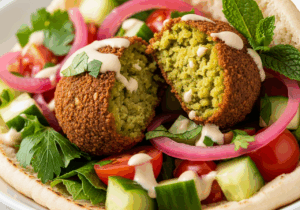

There’s somthing undeniably magical about falafel-a humble blend of chickpeas and spices transformed into golden, crispy spheres that captivate taste buds worldwide. Beloved in street markets and fine dining alike, this Middle Eastern classic has woven itself into the global culinary fabric with its perfect balance of texture and flavor. Whether you’re a seasoned cook or a curious foodie, mastering falafel opens the door to endless tasty possibilities. In this article, we’ll explore a collection of tasty recipes that celebrate falafel’s rich heritage and vibrant variations, guiding you step-by-step to create your own falafel favorites right in your kitchen. Get ready to dive into a world where tradition meets taste, and every bite tells a story.
Falafel favorites: Tasty Recipes to Master This Classic Dish
Embarking on the journey of homemade falafel is an adventure in textures, aromas, and vibrant Middle Eastern flavors. Choosing the perfect ingredients and mastering technique transforms humble chickpeas into delightfully fluffy falafel that sing with herbs and spices. Whether you’re a seasoned chef or a curious home cook, this guide will empower you with everything you need to create falafel favorites that impress and satisfy.
Prep and Cook Time
- Preparation: 30 minutes (including soaking time)
- cooking: 10-12 minutes
- Total Time: Approximately 45 minutes
Yield
Approximately 24 falafel balls (serves 4-6)
Difficulty Level
Medium – requires some preparation but straightforward for most cooks
Ingredients
- 1 ½ cups dried chickpeas, soaked overnight and drained
- 1 small onion, finely chopped
- 4 cloves garlic, minced
- ½ cup fresh parsley, tightly packed, chopped
- ½ cup fresh cilantro, tightly packed, chopped
- 2 tbsp all-purpose flour (or chickpea flour for gluten-free)
- 1 tsp baking powder
- 1 ½ tsp ground cumin
- 1 tsp ground coriander
- ¼ tsp cayenne pepper (optional, for heat)
- 1 tsp kosher salt
- Freshly ground black pepper, to taste
- Vegetable oil for frying (about 2 cups)
Step by Step Guide to Crafting the Ideal Falafel Texture
- Drain and Rinse: After soaking dried chickpeas overnight, drain and thoroughly rinse them under cold water to ensure freshness and remove excess starch.
- Pulse Chickpeas: In a food processor, pulse the chickpeas until coarsely ground but not pureed-aim for a grainy texture that will yield fluffiness.
- Add Aromatics & Herbs: Add onion, garlic, parsley, and cilantro. Pulse gently until incorporated but still textured.
- Spice It Up: Combine cumin, coriander, cayenne, salt, and pepper with the mixture. Sprinkle in flour and baking powder to help bind without heaviness.
- Test Mixture: Press a small spoonful into a ball. If it’s crumbly, add a little cold water, one tablespoon at a time, until it holds shape without being wet.
- Rest the Mixture: Refrigerate the mix for 30 minutes-this firms up the batter for easier shaping and better texture.
- Shape the Falafel: With damp hands or a falafel scoop, form uniform balls about 1 ⅓ inches in diameter. Avoid packing too tightly to maintain fluffiness.
- Fry to Golden Perfection: Heat oil in a deep skillet to 350°F (175°C).Fry falafel in batches, turning occasionally, until an even golden brown crust forms-about 3-4 minutes.
- Drain & Serve: Use a slotted spoon to remove falafel and drain on paper towels. Serve warm for best texture and flavor.
Choosing the Perfect Chickpeas for Fluffy Falafel Success
The soul of any great falafel lies in the chickpeas.Opt for dried chickpeas rather than canned ones. The dried variety, when soaked properly, offers a superior texture-firmer and less mushy-pivotal for achieving that coveted fluffy crumb inside and crisp exterior. Think of the dried chickpea as a blank canvas, soaking up the vibrant flavors of your chosen herbs and spices. When purchasing, select chickpeas that are uniform in size and free from blemishes for the cleanest flavor and best results.
Exploring Herbs and Spices to Elevate Your Falafel Flavor
The magic of falafel favorites comes alive through the fresh burst of herbs and the warm, aromatic spices blended thoughtfully into the batter.The fresh parsley and cilantro impart a lively green brightness and slight earthiness that contrast beautifully with spices like cumin and coriander, which add warmth and depth. A pinch of cayenne introduces just a whisper of heat to awaken the palate without overpowering the dish. To balance these flavors, garlic and onion provide a savory backbone. Experimenting with additions like a splash of lemon juice or a hint of smoked paprika can also add exciting new dimensions.
Creative Serving Ideas and Dipping Sauces to Complement Your Falafel
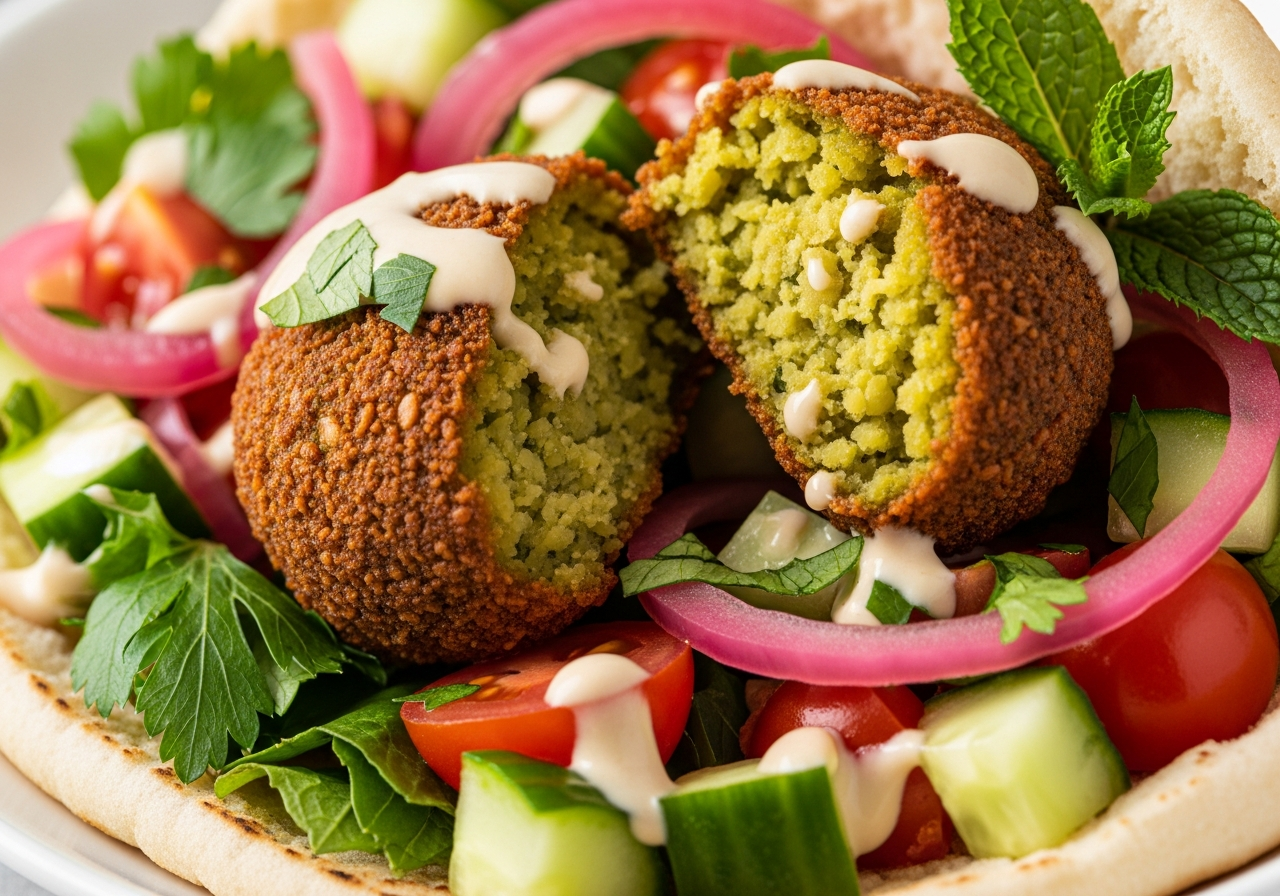
Falafel favorites transcend classic preparation when paired creatively. For a fresh twist, serve falafel nestled in warm pita pockets with crisp cucumber ribbons, ripe tomato slices, and a drizzle of salted yogurt sauce. For a vibrant, colorful platter, arrange falafel alongside pickled vegetables, tabbouleh salad, and creamy hummus. Dipping sauces make an unforgettable impact-try a zesty tahini-lemon sauce with crushed garlic, a cooling cucumber tzatziki with fresh dill, or even a spicy harissa aioli for a punch of heat. Garnish your final dish with fresh herbs, toasted sesame seeds, or a squeeze of lemon to bring out the vibrant flavors.
Chef’s Notes: Tips for Success
- Always use dried chickpeas to prevent soggy falafel; canned chickpeas have too much moisture and affect texture.
- Do not over-process your mixture; you want a coarse texture to keep falafel light and airy.
- Resting the mixture in the fridge is essential for shape retention during frying.
- If falafel balls crumble during frying, add a tablespoon of flour or chickpea flour to bind better.
- For healthier options,consider baking falafel at 375°F (190°C) for 20-25 minutes,flipping halfway.
- Make falafel favorites in bulk and freeze uncooked balls on a tray; transfer to freezer bags for fast future meals.
Nutritional data (per serving, approx. 4 falafel balls)
| Calories | Protein | carbohydrates | Fat |
|---|---|---|---|
| 240 kcal | 10 g | 28 g | 10 g |
😋 Discover our hummus recipes for perfect falafel pairings
For more insights on chickpeas and their culinary versatility, check out this Bon Appetit article on selecting and preparing chickpeas.

Q&A
Q&A: Falafel Favorites – Tasty recipes to Master this Classic Dish
Q1: What exactly is falafel, and where does it come from?
A1: Falafel is a beloved Middle Eastern street food made from ground chickpeas or fava beans, combined with herbs and spices, then shaped into balls or patties and fried to golden perfection. Originating centuries ago in Egypt, it has since become a staple across the Mediterranean and beyond, celebrated for its crispy exterior and fluffy, flavorful interior.
Q2: What makes a perfect falafel?
A2: The secret lies in balance and technique. Perfect falafel should be crispy on the outside yet tender and moist on the inside. Using dried chickpeas soaked overnight rather than canned ones ensures the right texture. Fresh herbs like parsley and cilantro give it vibrant flavor, while a mix of cumin, coriander, garlic, and onion adds depth. frying at the right temperature is key-too hot, and the outside burns before the inside cooks; too cool, and they absorb too much oil.
Q3: Can I make falafel without deep frying?
A3: Absolutely! While deep frying yields the iconic crunch, baking or pan-frying falafel is a healthier alternative. Baking them on a lined tray with a drizzle of oil can produce a satisfying crispness, tho the texture will be a bit different. pan-frying in a shallow pool of oil can also create a delightful crust while using less oil overall.
Q4: What are some creative twists to traditional falafel recipes?
A4: Falafel is a versatile canvas! Try adding roasted red peppers for a smoky sweetness, or swap half the chickpeas for sweet potatoes for a subtle earthiness. Incorporate spices like smoked paprika or cayenne for a kick, or experiment with herbs like mint or dill for a fresh twist. For a fusion flair, serve falafel with unexpected accompaniments like avocado sauce or pickled vegetables.
Q5: How should falafel be served for the best experience?
A5: Classic falafel shines wrapped in warm pita bread with creamy tahini sauce, fresh tomatoes, cucumbers, and a sprinkle of sumac. But don’t stop there! Serve it over a vibrant salad, as a protein-packed burger patty, or even on a grain bowl with hummus and tabbouleh. Don’t forget a squeeze of lemon and a side of pickles to brighten the whole dish.
Q6: Any tips for storing and reheating falafel?
A6: Fresh is best when it comes to falafel, but leftovers can be saved! Store in an airtight container in the fridge for up to 3 days. To reheat, pop them in a hot oven or toaster oven to crisp them back up-microwaving may leave them soggy.You can also freeze uncooked falafel balls; just thaw before frying or baking.
Q7: Where can beginners start if they’ve never made falafel before?
A7: Start simple! Use a basic recipe with dried chickpeas, fresh parsley, garlic, onion, cumin, and coriander. Focus on soaking the chickpeas properly and blending to the right consistency-grainy but not mushy. Test-fry one ball first to adjust seasoning and oil temperature. From there, explore adding new flavors and perfecting your technique.
With these tasty tips and techniques, mastering falafel becomes part of the fun-bringing a crunch of tradition and a world of flavor right to your kitchen!
To Conclude
Whether you’re a seasoned falafel fanatic or a curious kitchen explorer, mastering these recipes opens the door to a world of vibrant flavors and satisfying textures. From the traditional blend of herbs and chickpeas to inventive twists that add a personal flair, falafel proves time and again why it’s a beloved classic across cultures. So roll up your sleeves, grab your food processor, and dive into the delicious adventure of crafting falafel favorites that will delight your taste buds and impress your friends. Your perfect falafel journey starts here-happy cooking!