
Nestled within the crispy golden batter of shrimp tempura lies a story as rich and layered as its tantalizing texture. “Crispy Delight: The Art and History of Shrimp Tempura” invites you on a journey through centuries of tradition,technique,and cultural fusion. From its humble beginnings to its revered status on modern dining tables, shrimp tempura encapsulates a delicate balance of art and science – where the perfect batter, precise frying, and freshest seafood converge to create a symphony of crunch and flavor. Join us as we peel back the layers of this beloved Japanese masterpiece, exploring how tempura evolved from an introduced culinary concept to an iconic symbol of craftsmanship and taste.
Shrimp tempura embodies the crispy delight that has captivated palates worldwide, melding delicate seafood sweetness with an irresistibly light crunch. Originating during Japan’s Edo period,this iconic dish reflects a lovely fusion of Portuguese frying techniques and Japanese minimalist elegance. The change of shrimp tempura over centuries honors tradition while inviting innovation, inspiring home cooks and chefs alike to perfect every bite and batter for a sublime dining experience.
Prep and Cook Time
- Planning: 20 minutes
- Cooking: 10-15 minutes
- Total Time: 30-35 minutes
Yield
Serves 4 as an appetizer or light main course
Difficulty Level
Medium – requires attention to batter texture and frying technique
Ingredients
- 12 large shrimp, peeled, deveined, tails on
- 1 cup all-purpose flour, sifted
- ½ cup rice flour (for extra crispiness)
- 1 large egg, cold
- 1 cup ice-cold sparkling water (or very cold water)
- Vegetable oil, for deep frying (about 4 cups)
- 1 tsp baking soda (optional, to enhance crunch)
- 1 tsp cornstarch (optional, to lighten batter)
- Salt, to taste
- Lemon wedges, for serving
- Tentsuyu sauce or soy sauce, for dipping
Instructions
- Prepare the shrimp: Gently butterfly the shrimp by slicing along the belly without cutting all the way through-this ensures even cooking and creates a nice presentation. Lightly score the underside to prevent curling during frying. Pat dry with paper towels to remove excess moisture for optimal batter adhesion.
- Make the batter: In a mixing bowl, lightly beat the cold egg and quickly stir in the ice-cold sparkling water. Add the sifted all-purpose flour, rice flour, baking soda, and cornstarch. Significant: Mix sparingly, leaving lumps intact; overmixing activates gluten and causes a dense, heavy batter.
- Heat the oil: In a deep pot or fryer, heat vegetable oil to 350°F (175°C). A thermometer ensures consistent frying temperature for even cooking and minimal oil absorption.
- Coat and fry: Lightly dust each shrimp with a pinch of flour before dipping into the batter-this step helps the batter cling better. Gently lower shrimp into hot oil, frying in batches to avoid overcrowding. Fry until golden and crisp, about 2-3 minutes, turning once. Remove and drain on a wire rack or paper towels.
- serve immediately: Shrimp tempura is best enjoyed hot, accompanied by dipping sauce and lemon wedges to brighten the flavors.
Chef’s Tips for Success
- Keep ingredients cold: Cold batter and sparkling water slow gluten formation, resulting in lighter, crispier tempura coating.
- Don’t overmix the batter: Lumps create air pockets that fry into delicate crispness-this is key!
- Control oil temperature: Too hot burns the batter; too cool makes it greasy. use a deep-fry thermometer for accuracy.
- Use rice flour in the batter: It enhances crunch without heaviness-perfect for achieving crispy delight.
- Serve immediately: Tempura loses crispness quickly. If needed, keep warm on a wire rack in a low oven before serving.
- Experiment with dipping sauces: Classic tentsuyu, ponzu, or simple soy sauce with grated daikon complement fried shrimp beautifully.
Serving Suggestions
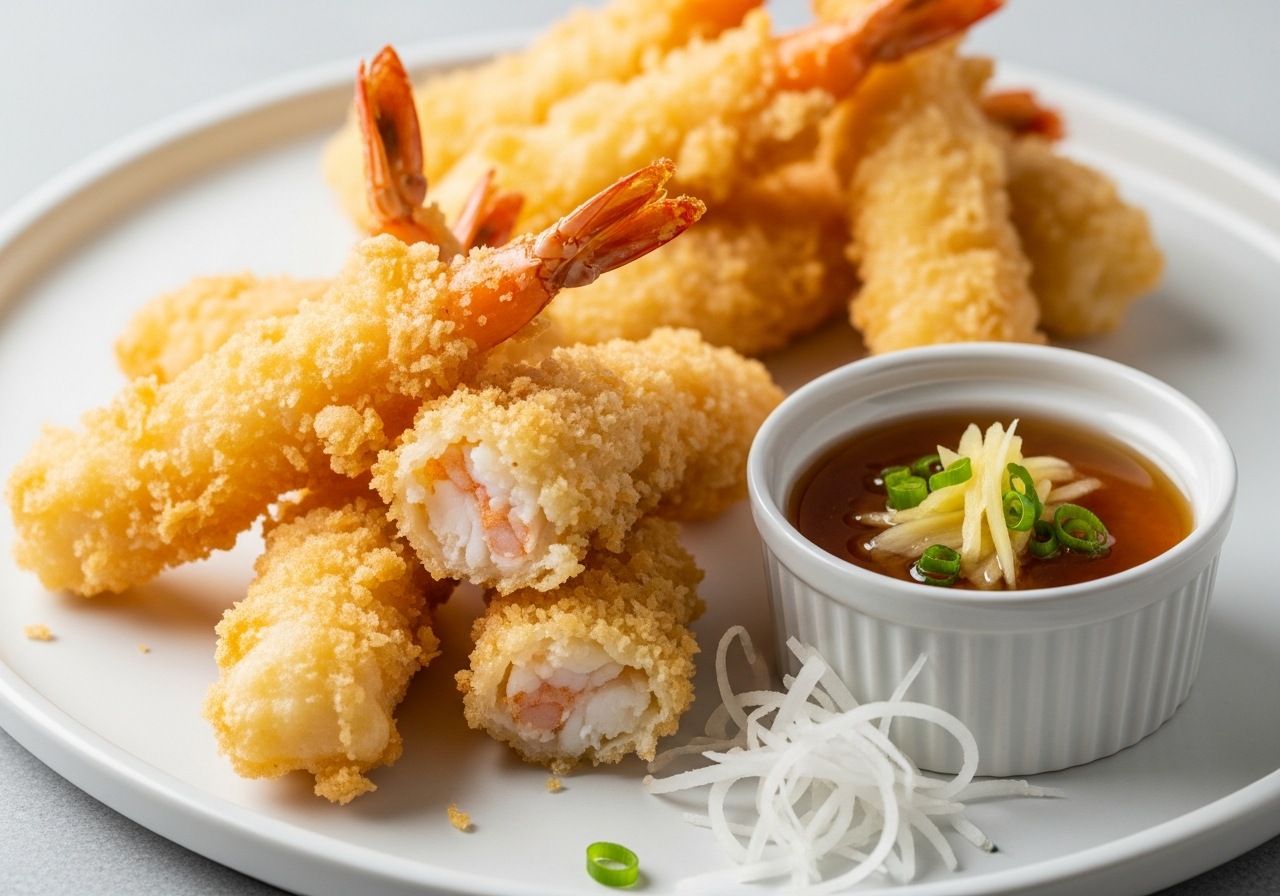
Present your shrimp tempura artistically on a long plate lined with crisp lettuce or bamboo leaves. Garnish with grated daikon, shiso leaves, and thin lemon slices to add visual appeal and freshness. For a conventional touch, accompany with a small bowl of tentsuyu dipping sauce, made from dashi, soy sauce, and mirin. Pair alongside steamed rice and pickled vegetables for a balanced meal or serve as an elegant appetizer with chilled sake.

| Nutrient | Per Serving (3 Shrimp) |
|---|---|
| Calories | 220 kcal |
| Protein | 18 g |
| Carbohydrates | 14 g |
| Fat | 10 g |
For more insights into Japanese culinary traditions and to explore similar crispy recipes, check out our detailed guide on Japanese Karaage Chicken.To deepen your understanding of Japanese tempura history, visit Japan Guide’s tempura overview.
Q&A
Q&A: crispy Delight – The Art and History of Shrimp Tempura
Q1: What is shrimp tempura, and why is it so beloved?
A1: Shrimp tempura is a Japanese dish featuring shrimp coated in a light, airy batter and deep-fried to crispy perfection. It’s beloved for its delicate crunch that melts in your mouth, juxtaposed with the natural sweetness of tender shrimp. This harmony of texture and flavor creates a delightful sensory experience that has captivated palates worldwide.
Q2: Where does shrimp tempura originate from?
A2: Tempura’s roots trace back to the 16th century when Portuguese missionaries and traders introduced the technique of deep-frying seafood and vegetables in batter to Japan. Over centuries, the Japanese refined the method into the elegant culinary art known today. Shrimp, or ”ebi” in Japanese, became a star ingredient due to its succulence and ease of frying.Q3: What makes the batter for tempura unique?
A3: Tempura batter is famously simple yet precise. Typically made with cold water, flour, and sometimes a beaten egg, it’s mixed minimally to keep it lumpy and cold - the secret to that signature lightness.The cold batter hits hot oil, creating a rapid sizzle that puffs the coating into a delicate, crisp shell rather than a heavy crust.
Q4: How is shrimp prepared before dipping into the batter?
A4: Shrimp are usually deveined, peeled (leaving the tail intact for presentation), and lightly scored to prevent curling during frying. This preparation ensures the shrimp remain straight and cook evenly,contributing to both the dish’s visual appeal and texture.
Q5: Has shrimp tempura evolved over time?
A5: Absolutely! While traditionalists cherish the classic method, modern chefs experiment with batters infused with sparkling water or rice flour for extra crispiness. Some infuse the batter with flavors like matcha or spices for a twist, while fusion cuisines incorporate tempura into rolls, sandwiches, and even tacos.
Q6: What sauces traditionally accompany shrimp tempura?
A6: The classic accompaniment is tentsuyu-a delicate dipping sauce made from dashi (seaweed and bonito broth), mirin (sweet rice wine), and soy sauce. It enhances tempura’s subtle flavors without overpowering. Sometimes, grated daikon (radish) or a pinch of salt is served alongside to add freshness and balance.
Q7: Why is shrimp tempura considered an art form?
A7: Tempura demands mastery over temperature, timing, and batter consistency to achieve that perfect balance of crispiness and moisture. Each piece must be fried just so-golden but not greasy, crispy but not brittle. This precision transforms humble ingredients into edible artistry, showcasing the chef’s skill and reverence for culinary tradition.
Q8: Can shrimp tempura be enjoyed beyond Japan?
A8: Definitely! Tempura’s global popularity means it has been embraced and adapted across continents. From high-end Japanese restaurants to street food stalls worldwide, shrimp tempura continues to enchant food lovers, proving that this centuries-old craft transcends borders through its global appeal.
Dive into the world of shrimp tempura and experience how a simple batter and fresh shrimp come together to create one of Japan’s most iconic crispy delights!
To Conclude
From its humble beginnings in Japan’s bustling streets to its place on menus around the world, shrimp tempura remains a testament to culinary artistry and cultural exchange. Each golden, crispy bite tells a story-not just of technique and ingredients, but of tradition, innovation, and the simple joy of savoring something exquisitely crafted. Whether you’re a seasoned foodie or a curious newcomer, appreciating shrimp tempura is an invitation to explore a rich tapestry of history wrapped in delicate batter, a true crispy delight that continues to captivate palates across generations. So next time you dip that perfectly fried morsel into savory sauce, remember you’re partaking in a flavorful legacy that’s as vibrant as it is indeed timeless.