
Hidden within the bustling streets and vibrant markets of Indonesia lies a culinary treasure that has won the hearts-and appetites-of locals and travelers alike: bakso. This humble yet hearty meatball is far more than just a snack; it’s a rich tapestry of history, culture, and flavor rolled into perfect, savory spheres. In “Bakso Uncovered: Indonesia’s Savory Meatball Delight explained,” we embark on a mouthwatering journey to unravel the origins, ingredients, and traditions behind this beloved dish. Whether you’re a seasoned food adventurer or simply curious about Indonesia’s iconic comfort food, prepare to discover how bakso transcends its modest appearance to become a symbol of communal warmth and culinary ingenuity.
Origins and Cultural Significance of Bakso in Indonesian Cuisine
Bakso Uncovered reveals a culinary treasure that has woven itself deeply into the heart of Indonesian food culture. originating from a blend of Chinese and local Indonesian influences, these savory meatballs have transcended their humble beginnings to become a national comfort food. Traditionally made from finely ground beef or chicken mixed with tapioca starch,bakso is more than just a street snack - it’s a symbol of communal dining and a staple at family gatherings and celebrations across the archipelago.
Bakso’s cultural significance lies in its versatility and accessibility. Vendors on street corners and upscale restaurants alike serve it steaming hot, often accompanied by noodles, broth, or vegetables. Its widespread appeal is a testament to indonesia’s rich culinary fusion, blending Chinese meatball-making techniques with native herbs and spices. For many Indonesians, bakso is nostalgic-an evocative taste of childhood, communal warmth, and shared moments over a steaming bowl of broth.
prep and Cook Time
- Preparation: 30 minutes
- cooking: 20 minutes
- Total Time: 50 minutes
Yield
Serves 4 hearty portions
Difficulty Level
Medium – requires attention to texture and proper blending of ingredients
Ingredients
- 500g ground beef (preferably lean, chilled)
- 150g tapioca flour
- 3 cloves garlic, minced
- 1 tsp white pepper powder
- 1 tsp salt
- 1 tsp sugar
- 100ml ice-cold water
- Optional: beef tendon or finely diced fat (for gelatinous texture)
- Chicken or beef broth for serving
- Boiled egg noodles or rice vermicelli
- Chopped scallions, fried shallots, sambal, and soy sauce for garnish and flavor
Instructions
- Prepare the meatball mixture: In a large bowl, combine the ground beef, minced garlic, white pepper, salt, and sugar. Gradually add the tapioca flour, mixing by hand or with a stand mixer fitted with a paddle attachment to achieve a sticky, smooth paste. Incorporate the ice-cold water slowly; this will keep your bakso tender and give it that signature bounce.
- Test the mixture: Boil a small spoonful of the mixture in salted water until it rises and floats. If firm and springy, your mixture is ready. Otherwise, add a little more tapioca flour or water as needed to adjust texture.
- Shape the bakso: Use wet hands or two soup spoons to form smooth, round balls about 3-4 cm in diameter. Avoid air pockets by turning the meat mixture quickly between your palms for a sleek finish.
- Cook the meatballs: bring a pot of water or light broth to a gentle simmer. Drop bakso balls into the water, stirring occasionally to prevent sticking. Once they float, cook for an additional 3-5 minutes.Remove with a slotted spoon and drain.
- Prepare the broth and accompaniments: Warm chicken or beef broth,cook your noodles,and prepare garnishes and sambal for plating.
- Assemble and serve: Place noodles in a bowl, ladle over hot broth, gently add bakso, and garnish generously with scallions, fried shallots, a drizzle of soy sauce, and sambal to taste.
Tips for Success
- Texture matters: Maintaining cold ingredients and adequate kneading creates smooth, springy bakso. Avoid overworking the mixture to prevent toughness.
- Customize your meat: Mix in beef tendon or a small amount of pork fat for extra juiciness and bite.
- Make ahead: Form and cook bakso, then refrigerate in broth for up to 2 days. Reheat gently before serving.
- Healthier versions: Substitute ground turkey or chicken, and opt for low-sodium broth to lighten the dish.
- Use proper dipping sauces: Sambal paste, sweet soy sauce (kecap manis), or lime wedges elevate the flavor experience.
Serving Suggestions
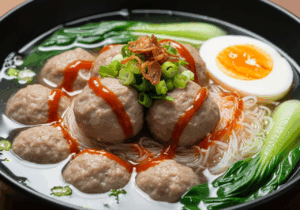
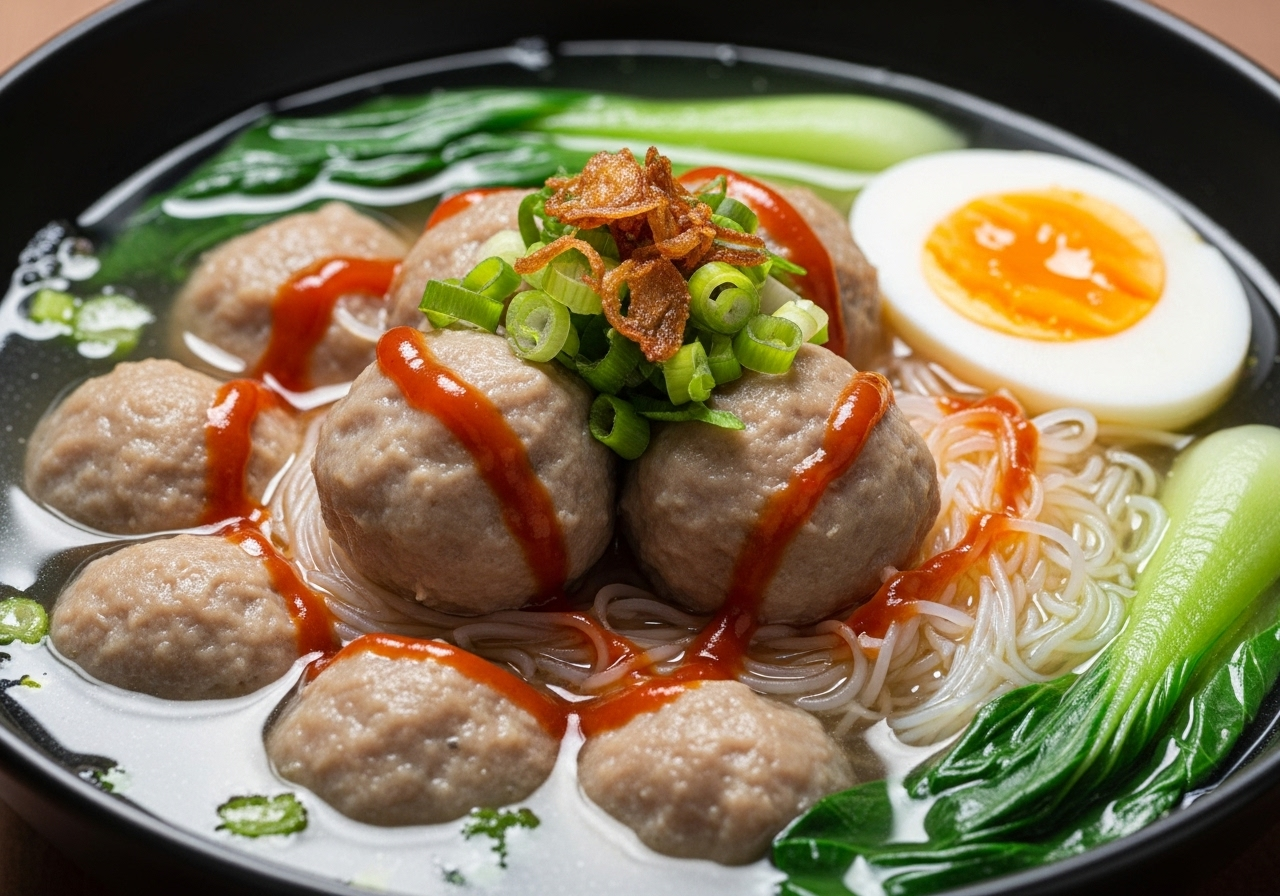
For an authentic and visually appealing presentation, serve your bakso in a deep, rustic bowl. Layer in steaming egg noodles or rice vermicelli, ladle over clear, savory broth, and nestle in glossy meatballs. garnish generously with bright green scallions, crispy fried shallots, and fresh celery leaves or cilantro for color contrast and freshness.
Accompany with a side of krupuk (crispy shrimp crackers) and a small dish of fiery sambal for those who like heat. A squeeze of fresh lime can brighten the entire bowl just before diving in.
| Nutrient | Per Serving |
|---|---|
| Calories | 320 kcal |
| Protein | 28g |
| Carbohydrates | 22g |
| Fat | 12g |
For further inspiration on Indonesian favorites, check out our Indonesian Satay Recipe, a perfect companion to your bakso meal.
Learn more about the fascinating history of Southeast Asian cuisine from the Southeast Asia Culinary Institute, a trusted source for regional food culture.

Q&A
Q&A: Bakso Uncovered – Indonesia’s Savory meatball Delight Explained
Q1: What exactly is Bakso?
A1: Bakso is Indonesia’s beloved meatball specialty, typically made from finely ground beef mixed with tapioca flour, giving it a distinctive springy texture. It’s more than just a snack; it’s a culinary icon served steaming hot in flavorful broth, accompanied by noodles, tofu, and a sprinkling of fresh herbs.
Q2: Where did Bakso originate from?
A2: Although the concept of meatballs isn’t unique to Indonesia, Bakso’s origins trace back to Chinese culinary influences mingling with local flavors.Over time, Indonesian cooks adapted the recipe, infusing it with native spices and ingredients, making it uniquely their own.
Q3: what makes Bakso different from other meatballs?
A3: Unlike many Western meatballs that are baked or fried, Bakso boasts a chewy yet tender bite, thanks to the addition of tapioca flour and meticulous pounding of the meat. Its presentation in a savory, clear broth with noodles sets it apart, marrying texture with comforting warmth.
Q4: How is Bakso traditionally served?
A4: Typically,Bakso is served as a hearty bowl of hot soup,with meatballs floating alongside yellow noodles or rice vermicelli,crispy fried shallots,boiled eggs,and fresh celery or scallions. Condiments like sambal (chili paste), sweet soy sauce, and lime allow each eater to customize their flavor experience.
Q5: Are there different types of Bakso in Indonesia?
A5: Absolutely! From large Bakso Urat (meatballs with tendons for a fibrous texture) to tiny Bakso Tahu stuffed inside tofu pockets, or even bakso Goreng served as fried meatballs-Indonesia offers a delicious spectrum of variations, each telling its own regional story.
Q6: What cultural significance does Bakso hold?
A6: Bakso is more than food; it’s a social glue. Found at street carts, family dinners, and festive celebrations, it brings people together across generations. Sharing a steaming bowl is both comfort food and cultural ritual, symbolizing warmth, community, and Indonesian ingenuity.Q7: Can Bakso be made at home?
A7: Yes, but it’s quite an art! Achieving the ideal chewy texture requires finely mincing fresh meat and skillfully mixing with starch, then shaping and cooking just right. However, home cooks worldwide are embracing Bakso, experimenting with local ingredients to capture its savory magic.
Q8: How has Bakso evolved in modern cuisine?
A8: Contemporary chefs are reinventing Bakso by infusing it with novel ingredients like chicken, fish, or even vegetarian options, and plating it with fusion broths and sides. Despite innovation, the heart of Bakso remains its comforting, familiar taste-a delicious bridge between tradition and creativity.
bakso is not just a meatball; it’s Indonesia’s soulful bite of comfort, culture, and culinary craftsmanship-a savory story that warms the soul bowl after bowl.
Key Takeaways
As the last bite of bakso melts away, we’re reminded that this humble Indonesian meatball is much more than just a dish-it’s a flavorful tapestry woven from history, culture, and communal spirit. From bustling street stalls to family dinner tables, bakso continues to bring warmth and connection with every savory spoonful. So next time you savor these tender meatballs, no you’re experiencing a delicious tradition that has traveled far and wide, yet remains deeply rooted in the heart of Indonesia. Bakso isn’t just food-it’s a story, waiting to be tasted.