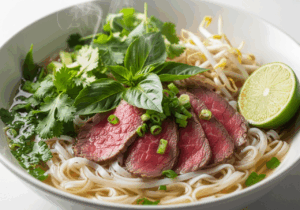

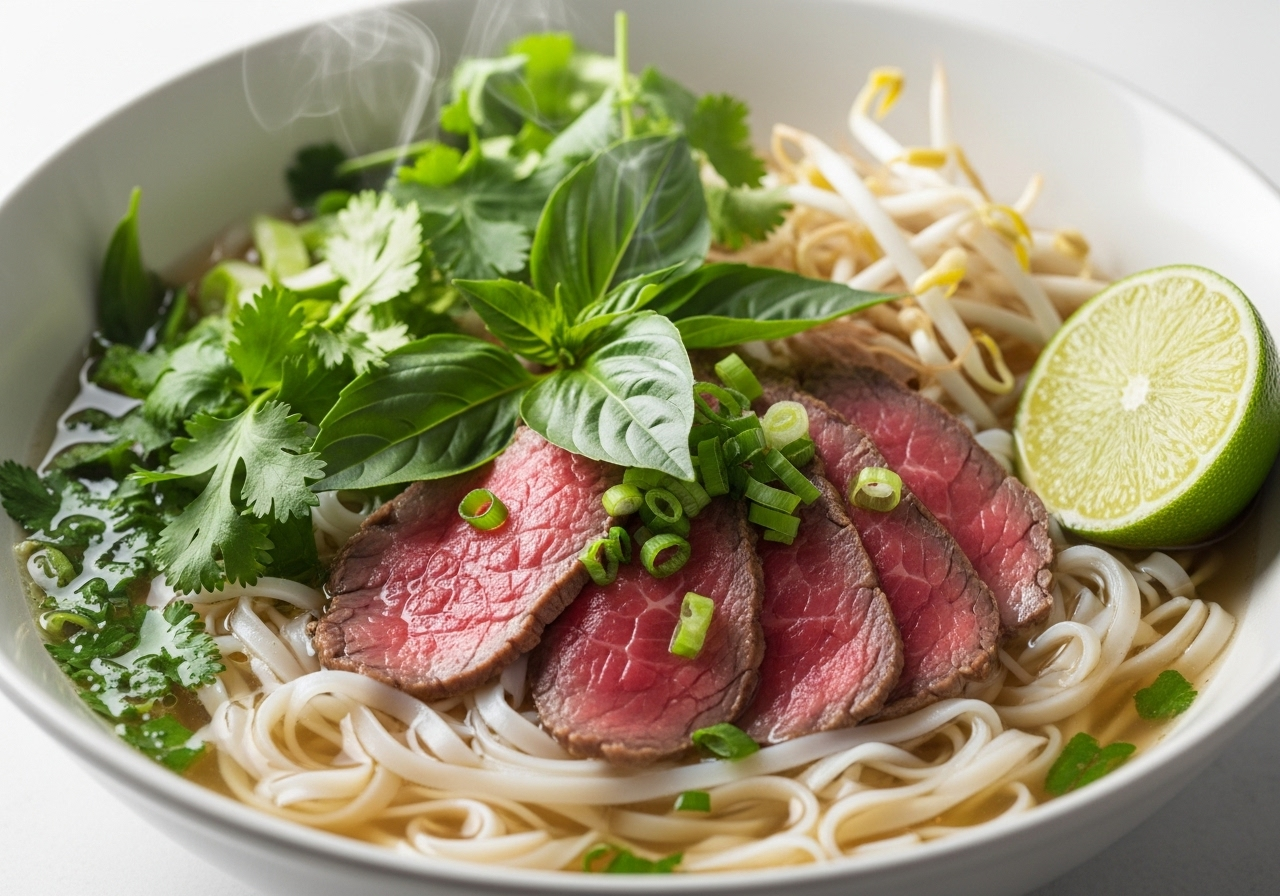
In the bustling streets of Vietnam, a fragrant steam rises from humble bowls, inviting locals and travelers alike into a world of rich tradition and vibrant flavor. Pho, the nation’s beloved noodle soup, is more than just a dish-it is indeed a culinary tapestry woven from history, culture, and craftsmanship. “Pho unveiled: Exploring Vietnam’s Iconic Noodle Soup Delight” embarks on a journey beyond the savory broth and tender slices of beef or chicken, revealing the stories, secrets, and soul behind this iconic comfort food. Whether your a seasoned foodie or a curious newcomer, prepare to dive deep into the heart of Vietnam’s aromatic masterpiece, discovering how pho continues to captivate palates around the globe.
Pho Unveiled: Exploring Vietnam’s Iconic noodle Soup Delight reveals much more than a beloved street food staple-it’s a timeless culinary journey steeped in history, culture, and heartwarming tradition. Originating in northern Vietnam in the early 20th century, pho has evolved from a humble vendor’s fragrant broth to a national treasure that captivates taste buds worldwide. Every bowl tells a story of careful craftsmanship, regional influences, and the perfect harmony between aromatic broth, tender proteins, and silky noodles.
Prep and Cook Time
- Planning: 30 minutes
- cooking: 4-6 hours (for the broth)
Yield
- Serves 6 people
Difficulty Level
- Medium
Ingredients
- 5 lbs beef bones (marrow and knuckle bones), cleaned and blanched
- 1 lb beef brisket or flank steak, sliced thinly
- 1 large onion, halved
- 1 large piece of ginger (about 4 inches), halved lengthwise
- 5 star anise pods
- 1 cinnamon stick
- 4 cloves
- 1 tablespoon coriander seeds
- 1 tablespoon fennel seeds
- 2 tablespoons fish sauce
- 1 tablespoon rock sugar (or substitute with granulated sugar)
- Salt to taste
- 1 lb flat rice noodles (bánh phở), soaked and drained
- Fresh herbs: Thai basil, cilantro, mint
- Bean sprouts, rinsed
- Lime wedges
- Sliced chili peppers (optional)
- Thinly sliced white onion, soaked in cold water
Instructions
- Prepare the bones: Rinse beef bones, then blanch them in boiling water for 10 minutes. Drain, discard water, and rinse bones to remove impurities.
- Char onion and ginger: Using a dry pan or directly over an open flame, char the onion halves and ginger until blackened for a smoky depth-approximately 5 minutes. Set aside.
- Toast spices: In a dry skillet, toast star anise, cinnamon, cloves, coriander, and fennel seeds over medium heat until fragrant-about 3 minutes.Transfer to a spice bag or cheesecloth.
- Simmer the broth: In a large stockpot, combine blanched bones, charred onion, ginger, and spice bag with 5-6 quarts of cold water. Bring to a gentle boil, then reduce to a simmer. Skim impurities regularly during the first hour.
- Add seasoning: After 3 hours of simmering, add fish sauce, rock sugar, and salt.Continue simmering for another 1-2 hours. For richer flavor, substitute part of the water with beef broth.
- Prepare noodles and proteins: Soak flat rice noodles in warm water until pliable. Slice brisket to your preferred thickness. Just before serving, blanch noodles in boiling water for 15 seconds until tender.
- Assemble the bowl: Place noodles in each bowl, top with slices of brisket and raw thin beef slices (allow them to cook in the hot broth). Ladle hot broth over to serve instantly.
- Garnish: Offer fresh herbs, bean sprouts, lime wedges, chili slices, and white onion on the side, allowing diners to customize their bowls.
Tips for Success: Mastering the Art of Crafting Pho
- Invest in quality beef bones for a deeply flavored broth-marrow bones add luxurious richness, while knuckle bones offer gelatin that creates body.
- Don’t rush the simmering process; a slow simmer over several hours extracts maximum flavor and clarity.
- Charring the onion and ginger is non-negotiable-it imparts a subtle smoky layer integral to authentic pho.
- Use a fine sieve or cheesecloth for straining your broth to achieve crystal-clear liquid that’s visually stunning and palate-pleasing.
- For a creative twist,swap brisket with thinly sliced chicken breast or meatballs,yet maintain the broth recipe for authenticity.
- Make ahead: The broth can be prepared days in advance and refrigerated-it tastes even better the next day! Just reheat gently before serving.
Choosing Noodles and Proteins for Authentic Flavor
Flat rice noodles, or bánh phở, are the soul of a pho bowl, offering a soft, slippery texture that soaks up the aromatic broth.Select fresh noodles whenever possible-they lend the best texture and mouthfeel.When fresh isn’t an option, soak dried rice noodles in warm water until supple and blanch just before serving to revive their delicate softness.
Proteins range from brisket, flank, and rare thinly sliced raw beef to beef meatballs or even chicken variations.The key is thin, uniform slicing allowing the meat to cook quickly and evenly in the broth, preserving tenderness. Layer flavors by combining cooked cuts with raw beef slices that ”poach” to perfection in each hot serving.
Top Pho Spots and Must-Try Variations Across Vietnam
Each region of Vietnam has put its stamp on pho, making it a diverse culinary experience. Northern pho (Pho Bac) tends to be more minimalist,with clear,delicately spiced broth and minimal garnishes. In contrast, Southern pho (Pho Nam) bursts with fresh herbs, bean sprouts, lime, and hoisin or chili sauces, creating a layered flavor profile.
Must-try variants include Pho Bo Kho,a heartier beef stew with pho noodles; Pho Ga,chicken pho; and the lesser-known Pho Chay,vegan pho featuring mushrooms and tofu. Exploring local pho vendors, from Hanoi’s bustling sidewalks to Saigon’s vibrant street stalls, is essential to experiencing the full spectrum of this iconic dish.
| Nutritional Info (per serving) | Calories | Protein | Carbs | Fat |
|---|---|---|---|---|
| Traditional Beef Pho | 350 kcal | 30 g | 45 g | 8 g |
Internal Link: Discover more about Vietnamese street food culture in our Vietnamese Street Food Guide.
External Link: For deeper historical context on pho, visit Encyclopaedia Britannica’s Pho Entry.

Q&A
Q&A: Pho Unveiled - Exploring Vietnam’s Iconic Noodle Soup Delight
Q1: what exactly is Pho, and why is it considered Vietnam’s culinary icon?
A1: Pho (pronounced “fuh”) is a fragrant Vietnamese noodle soup featuring silky rice noodles, savory broth, tender slices of beef or chicken, and a vibrant bouquet of fresh herbs. More than just a dish, Pho is a cultural emblem-comfort in a bowl that tells a story of history, tradition, and community in Vietnam. Its aromatic broth,simmered for hours with spices like star anise and cinnamon,embodies the heart and soul of Vietnamese cuisine.
Q2: Were did Pho originate,and how did it become so popular?
A2: Pho’s roots trace back to early 20th-century northern Vietnam,likely Hanoi,blending French culinary influences with Vietnamese flavors during the colonial period. It began as simple street food, accessible yet deeply satisfying, gradually spreading throughout vietnam.After the contry’s partition and later global Vietnamese diaspora, Pho found fans worldwide, transforming into an internationally beloved comfort food.
Q3: What makes Pho’s broth so special?
A3: Pho’s broth is the soul of the soup-clear, aromatic, and layered with complex flavors. It’s traditionally made by simmering beef bones (or chicken bones), charred onion, ginger, and a bouquet of spices like star anise, cloves, cinnamon, and cardamom for several hours. This slow-cooking extracts deep umami flavors while maintaining a delicate balance, resulting in a light yet flavorful broth that is utterly addictive.
Q4: What are the key ingredients that define a classic bowl of Pho?
A4: At its core, pho features four key components:
- Broth: The nuanced, spiced, slow-simmered liquid base.
- Noodles: Flat, silky rice noodles that soak up the broth.
- Protein: Typically thinly sliced rare beef (Pho Bo) or tender chicken (Pho Ga).
- Garnishes: Fresh herbs like Thai basil, cilantro, and mint, bean sprouts, lime wedges, and sliced chili peppers add brightness and texture.
Q5: Are there regional variations of Pho within Vietnam?
A5: Absolutely! Northern Pho, such as in Hanoi, focuses on simplicity and clarity-the broth is lighter, and garnishes are minimal. Southern Pho, especially in Ho Chi Minh City, is richer and sweeter, often served with an abundant plate of herbs, lime, and hoisin or sriracha sauces for customization. Each region’s Pho reflects local tastes and ingredients, offering a tasty exploration of Vietnam’s diverse culinary landscape.
Q6: How should one properly enjoy a bowl of Pho?
A6: Eating Pho is a sensory experience. First,breathe in the aroma.Taste the broth on its own, then add fresh herbs, bean sprouts, lime, and chilies to your liking. Use chopsticks to lift the noodles and beef, and a spoon for the broth. The balance of warmth, freshness, and spice creates layers of flavor that evolve with every bite.
Q7: Can pho be made at home, or is it best enjoyed at a Vietnamese eatery?
A7: While recreating Pho at home is a rewarding challenge requiring patience-especially for the broth-many home cooks embark on this culinary journey to capture its magic. Though, experiencing Pho in a bustling Vietnamese street stall or a dedicated restaurant remains unparalleled, where the skillful hands of chefs and fresh ingredients elevate the soup to an art form.
Q8: Why has Pho maintained its popularity across generations and cultures?
A8: Pho’s enduring appeal lies in its comforting warmth, balance of savory and fresh, and its role as a communal meal that brings people together. It’s passionately adaptable-a bowl of tradition that embraces new tastes while preserving its roots.pho transcends borders,telling a delicious story of resilience,sharing,and cultural pride that resonates worldwide.
Whether a seasoned foodie or a curious newcomer, Pho invites you to savor a spoonful of Vietnam’s rich heritage-one fragrant, flavorful bowl at a time.
Insights and Conclusions
As the steam rises from a fragrant bowl of pho, so too does a deeper recognition for this timeless Vietnamese treasure. More than just a noodle soup, pho is a harmonious blend of history, culture, and flavor that tells a story in every spoonful. Whether you’re savoring it on the bustling streets of Hanoi or recreating it in your own kitchen,pho invites you to slow down,connect,and celebrate the art of simple,soulful cooking. So next time hunger calls, remember: you’re not just eating a meal-you’re tasting a piece of Vietnam’s heart.