
Few dishes capture the essence of Chinese culinary artistry quite like Peking Duck. Renowned for its crispy, lacquered skin and tender, flavorful meat, this iconic delicacy has graced imperial banquets and family feasts alike for centuries. Mastering the art of Peking Duck may seem daunting, but wiht the right guidance and a dash of patience, you can recreate this legendary dish in your own kitchen. In this step-by-step recipe guide, we’ll unravel the customary techniques and secret tips that transform humble ingredients into a mouthwatering masterpiece-inviting you to embark on a delicious journey into the heart of Beijing’s gastronomic heritage.
Master the Art of Peking Duck with the perfect selection and preparation techniques that promise a glorious balance of irresistibly crispy skin and tender, juicy meat beneath. This celebrated Cantonese delicacy, originating from Beijing, is treasured for its contrast of textures and depth of flavor-a sumptuous experience worth every meticulous step.
prep and Cook Time
Preparation: 1 hour (plus 12 hours air-drying)
Cooking: 1 hour 15 minutes
total Time: 14 hours 15 minutes
Yield
Serves 4 to 6 guests
Difficulty Level
Advanced: Perfect for confident home chefs ready to impress with an iconic dish
Ingredients
- 1 whole Pekin duck (approx. 5 to 6 pounds), cleaned and patted dry
- 4 cups boiling water
- 3 tbsp maltose syrup or honey
- 2 tbsp Chinese five-spice powder
- 1 tbsp kosher salt
- 1 tbsp Shaoxing wine
- 1 tbsp soy sauce
- 2 tbsp hoisin sauce
- 2 tbsp rice vinegar
- 2 cloves garlic, minced
- 1-inch piece ginger, peeled and minced
- 8 green onions, cut into 3-inch lengths
- Mandarin pancakes or steamed bao buns, for serving
- Thinly sliced cucumber and scallions, for garnish
Instructions
- Choosing and Preparing Your Duck: Select a fresh Pekin duck with a plump, firm body and shiny skin-ideal for rendering crisp. Remove any leftover pin feathers and pat the duck thoroughly dry with paper towels inside and out.
- Air-Dry for Crispiness: Using a hook or a wire rack, suspend the duck in a cool, well-ventilated spot or refrigerator for at least 12 hours to dry the skin thoroughly. This critical step ensures the skin crisps beautifully.
- Scalding and Glazing: Pour 4 cups boiling water evenly over the duck, wich tightens the skin. Let it drain fully.
- Prepare the glaze: Combine the maltose syrup (or honey), rice vinegar, and a pinch of kosher salt in a small bowl. Brush this evenly over the duck’s skin; this glaze caramelizes during roasting, creating that signature amber crispness.
- Season the Cavity: Rub the duck’s cavity with minced garlic, ginger, Chinese five-spice powder, and Shaoxing wine. Stuff the cavity with green onions for an aromatic infusion during roasting.
- Roasting Setup: Preheat your oven to 375°F (190°C). Place the duck breast-side up on a wire rack set over a roasting pan to catch drippings, allowing air to circulate around the skin.
- Roast: Cook for about 1 hour 15 minutes, basting every 20 minutes with leftover glaze to deepen flavor and maintain moisture.Adjust oven temperature if skin browns too quickly.
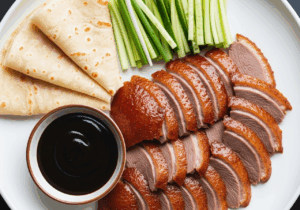
- Rest and Slice: Once golden and crisp, let the duck rest for 10 minutes. Use a sharp knife to carve the breast meat thinly across the grain. Pair crispy skin pieces alongside tender slices.
Chef’s Notes: Tips for Success
- Patience is key: The lengthy air-drying stage is essential for optimal skin crispiness-never skip or shorten this.
- Glaze alternatives: For a richer taste, mix dark honey with a splash of Chinese plum wine.
- Oven variation: If using a convection oven, reduce heat by 25°F and monitor closely to avoid burning.
- Make-ahead: The prepared duck can be refrigerated after glazing, uncovered overnight before roasting.
- For an extra crisp: After roasting, briefly broil the duck skin for 2-3 minutes-but watch carefully.
Serving suggestions to Elevate your experience
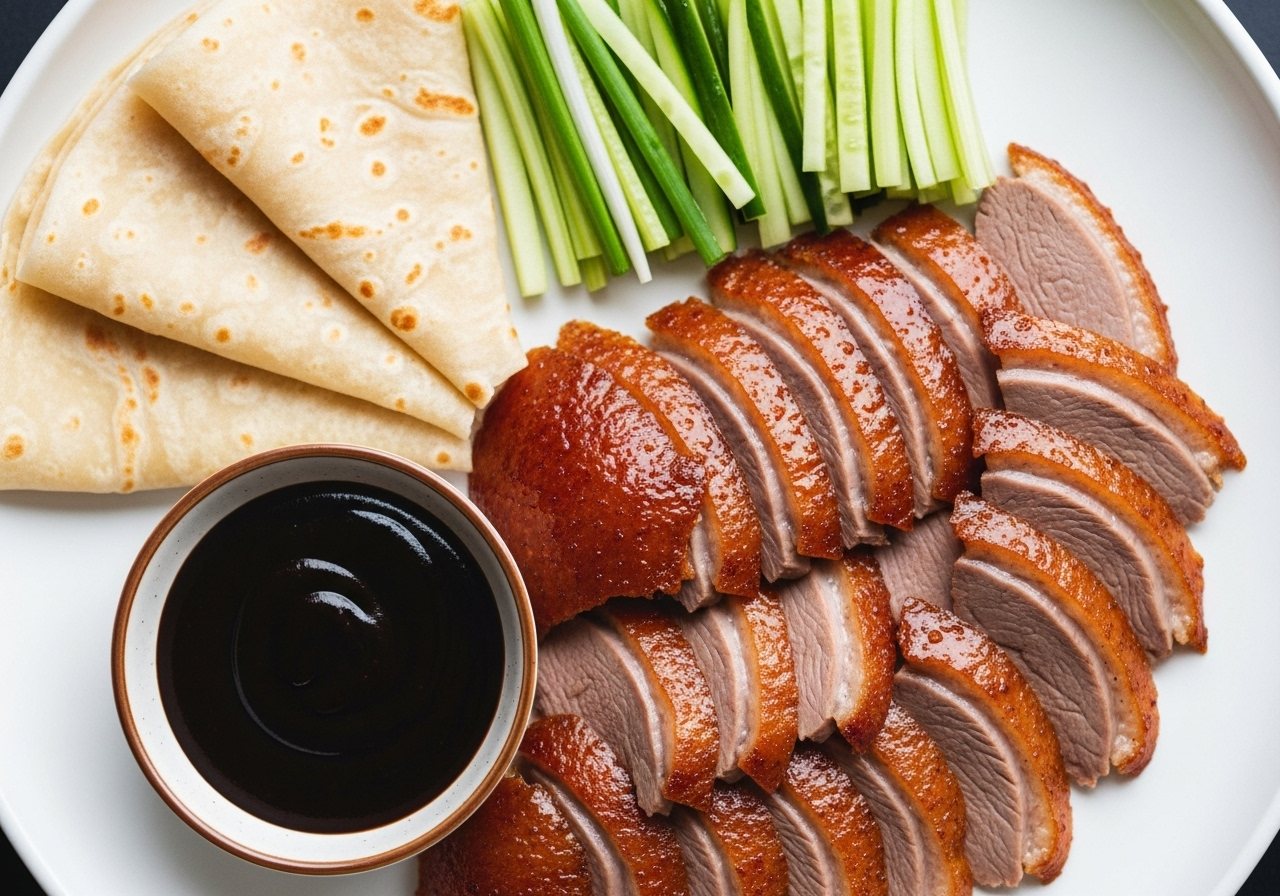
Traditionally, thin pancakes or delicate steamed bao buns cradle the sliced duck and crispy skin.Spread a thin layer of hoisin sauce on the pancake, add cucumber and scallions for crunch and freshness, then top with succulent duck slices. roll or fold the pancake like a soft taco.
For a full banquet experience,offer sides like fragrant jasmine rice,stir-fried bok choy with garlic,or a refreshing Sichuan cucumber salad. Garnish your serving platter with additional green onions and a small bowl of hoisin for dipping.

| Nutrition (per serving) | Calories | Protein | Carbs | Fat |
|---|---|---|---|---|
| Duck with skin | 450 kcal | 38 g | 4 g | 32 g |
| Pancakes (2 pieces) | 110 kcal | 3 g | 22 g | 1 g |
For those inspired to master more classic Chinese dishes, explore our thorough Ultimate Chinese Dumplings Recipe. To understand the deep culinary heritage behind Peking duck, visit the Smithsonian’s extensive food culture resource here.
Q&A
Q&A: Master the Art of Peking Duck - A Step-by-Step Recipe Guide
Q1: What makes Peking Duck so special compared to othre duck dishes?
A1: Peking Duck is legendary for its crispy, lacquered skin and tender, juicy meat. Unlike typical roast duck recipes, it involves a unique preparation that includes air-drying the skin and glazing it with a maltose syrup, creating that signature crackling crunch. It’s a harmonious dance of textures and flavors that has been perfected over centuries in Beijing.
Q2: Is mastering Peking Duck tough for a home cook?
A2: While Peking Duck may sound intimidating due to its elaborate process, it’s absolutely achievable with patience and attention to detail. The recipe breaks down into clear steps-from preparing the duck, air-drying, roasting, to serving-with some handy tips along the way to ensure success. It’s more about technique than complexity.
Q3: What’s the secret to achieving the perfect crispy skin?
A3: The magic lies in properly drying the duck’s skin before roasting. Traditionally, the duck is hung and air-dried for several hours, sometimes overnight. This step removes excess moisture and helps the skin blister and crisp beautifully. Additionally, brushing the skin with maltose syrup or honey during drying gives it that irresistible glossy finish and caramelized crunch.
Q4: Can I use a regular oven to roast Peking Duck, or do I need special equipment?
A4: You don’t need a traditional wood-fired oven to make excellent Peking Duck at home. A conventional oven or even a large sealed roasting pan with a rack can do the job. The key is controlling the temperature and maintaining airflow around the duck to promote even crisping.
Q5: What are the essential accompaniments to serve with Peking Duck?
A5: Authentic Peking Duck is served with thin Mandarin pancakes, hoisin sauce, and finely sliced scallions and cucumbers. These elements complement the rich duck by adding freshness, sweetness, and a silky texture, allowing you to assemble your own flavorful wraps-a truly interactive dining experience!
Q6: How long does the entire process usually take from start to finish?
A6: From prepping the duck to that first mouthwatering bite, expect around 24 to 48 hours. Much of this time involves drying and resting the duck rather than active cooking time. This patience pays off exponentially, resulting in a masterpiece that’s worth every minute.
Q7: Any tips for storing leftovers?
A7: Peking Duck is best enjoyed freshly roasted, but leftovers can be refrigerated for up to 2 days. Reheat gently in the oven to preserve the crispiness or repurpose the meat in stir-fries and fried rice. Just remember, the skin loses some crunch once refrigerated.
Q8: Can I try variations on the traditional recipe?
A8: While purists stick strictly to the classic method, some modern interpretations include infusing the duck with five-spice or experimenting with different glazes like honey-soy blends. However, the hallmark remains that perfectly crisp skin paired with succulent meat-any twist should honor that balance.
Q9: Why is Peking Duck considered an art form rather than just a recipe?
A9: Peking Duck embodies centuries of culinary craftsmanship-it’s about precision, timing, and respect for ingredients. Each step requires mindful attention, turning cooking into a ritual. When done well, it’s a feast that engages all the senses, making it feel less like a dish and more like an edible masterpiece.
With these insights in mind, your journey to mastering peking Duck is ready to begin-prepare to impress your palate and your guests alike!
The Conclusion
Embarking on the journey to master Peking Duck is more than just following a recipe-it’s an invitation to immerse yourself in centuries of culinary tradition and artistry. With each carefully rendered step,from preparing the crispy skin to savoring the rich,succulent meat,you’re not just cooking; you’re reviving a timeless masterpiece in your very own kitchen. So roll up your sleeves, embrace the process, and let this guide lead you to creating a dish that dazzles the senses and honors a heritage of flavor. Your perfectly roasted Peking Duck awaits-ready to become your new signature triumph on the table.