
There’s something undeniably comforting about a steaming bowl of fluffy boiled rice-the perfect canvas for countless meals, from vibrant stir-fries to hearty curries. Yet, achieving that ideal texture, light and tender without a hint of gumminess or mush, can feel surprisingly elusive. Whether you’re a kitchen novice or a seasoned cook, mastering the art of fluffy boiled rice unlocks a world of culinary possibilities. In this article, we’ll share essential tips, tricks, and foolproof methods to help you transform simple grains into a flawless side dish every single time. Say goodbye to sticky missteps and hello to bowls brimming with perfectly puffed, pillowy rice.
Mastering Fluffy Boiled Rice: Tips for Perfect Every time
Mastering fluffy boiled rice begins with understanding the subtle nuances that elevate simple grains into a light, pillowy bed for your favorite dishes. Whether it’s a family feast or a quiet weeknight dinner, getting the rice just right transforms a staple into a star.
Choosing the Perfect Rice for Ultimate Fluffiness
The journey to perfectly fluffy rice starts with selecting the right variety. For that ideal texture-soft yet separate grains-long-grain rice such as basmati or jasmine shines. Basmati rice offers a fragrant aroma with slender, elongated grains that don’t stick together, perfect for Indian and Middle Eastern dishes. Jasmine, slightly stickier but still fluffy, suits Southeast Asian fare beautifully.
For everyday meals where you want a neutral canvas, long-grain white rice is your go-to. Avoid short-grain or medium-grain varieties if you prefer fluffiness, as they naturally tend toward clumping. Remember to check packaging for rice harvested within the last year, as freshness impacts fluffiness and flavor.
Precision in water Ratios and Soaking times Explained
The secret largely lies in water ratios and soaking. For most long-grain varieties, use a water-to-rice ratio of 1.5:1-one and a half cups of water to one cup of rice. Too much water results in mushy rice; too little leaves it dry and undercooked.
Soaking rice for 20 to 30 minutes before cooking softens the grains and allows moisture to penetrate evenly. This step reduces cooking time and promotes even expansion during boiling,crucial for fluffy results.
Techniques to Achieve Even Cooking and Prevent Clumping
Even cooking demands gentle heat and patience.Begin with boiling water and add rinsed, soaked rice gradually. stir once gently to separate grains, then cover and reduce to the lowest heat setting. Avoid lifting the lid or stirring during cooking to keep steam trapped for uniform heat.
After cooking,let the rice rest covered for 10 minutes off the heat. This stationary steaming phase completes the cooking process evenly, preventing clumps and sogginess.
Secrets to Fluffing and Serving for Picture-Perfect Presentation
Fluffing is an art. Use a wide, fork-like utensil to gently separate the grains by lifting rather than stirring vigorously. This minimizes breakage and preserves the light texture.Garnish with fresh herbs like cilantro or thinly sliced green onions to add a pop of color and a hint of fragrance, creating an inviting plate.
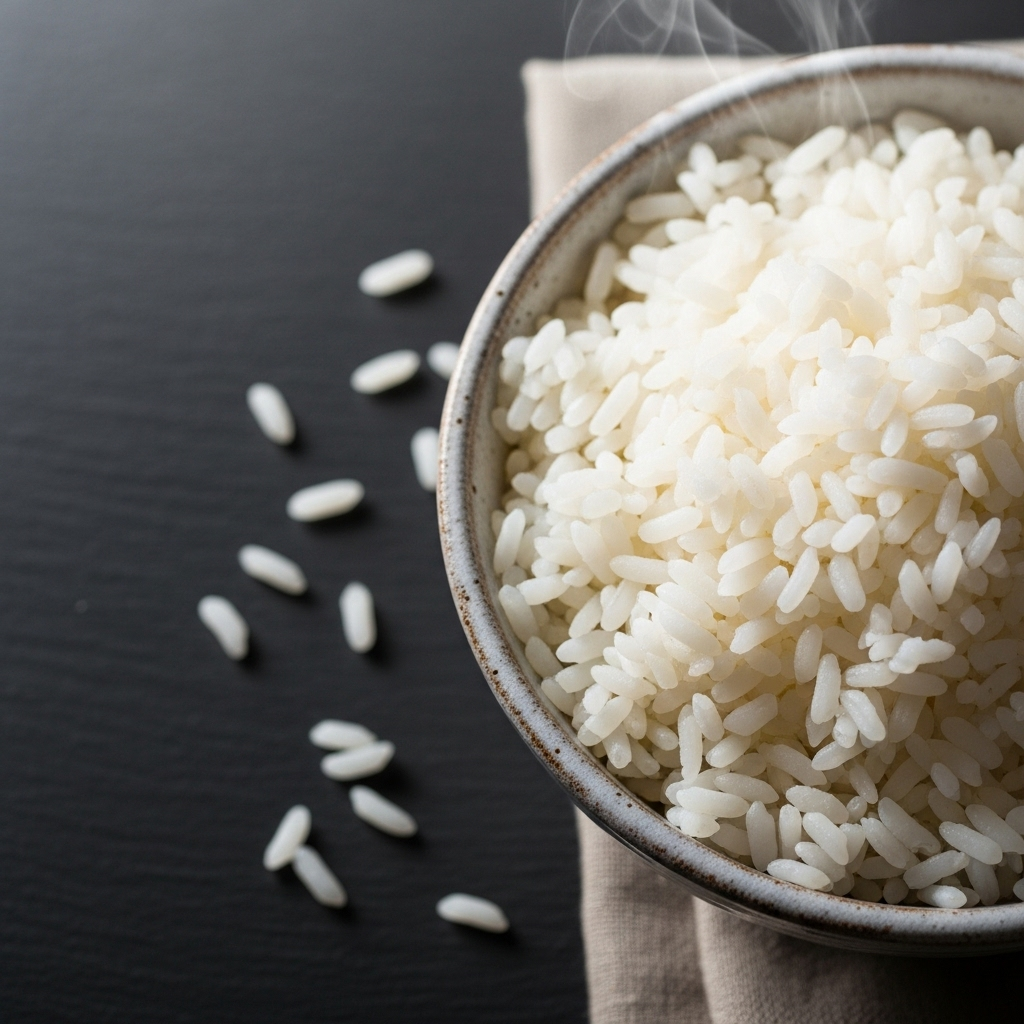
Serve rice in a shallow, wide bowl or a decorative platter to showcase those fluffy grains. for photography or presentation, subtle steam rising and grain separation convey freshness and mastery-true marks of Mastering fluffy Boiled Rice: tips for perfect Every Time.
Prep and Cook Time
- Prep Time: 40 minutes (includes soaking)
- Cook Time: 20 minutes
- Total Time: 1 hour
Yield
Serves 4 generous portions
Difficulty Level
easy – suitable for all skill levels
Ingredients
- 1 cup long-grain basmati rice, rinsed and soaked
- 1½ cups water, filtered or bottled preferred
- ½ teaspoon salt (optional)
- 1 tablespoon unsalted butter or neutral oil (optional for extra sheen)
Instructions
- Rinse the rice thoroughly under cold running water until the water runs clear to remove excess starch, which can cause clumping.
- Soak the rice in cold water for 20-30 minutes, then drain well.
- Bring the water to a boil in a medium saucepan with salt and butter/oil if using.
- Gradually add the soaked rice to the boiling water, stirring gently just once to separate the grains.
- Lower the heat to the smallest flame and cover the pot tightly with a lid.
- Cook gently for 15 minutes without lifting the lid or stirring to allow steam to cook the rice evenly.
- Turn off the heat and keep the pot covered.let it rest and steam for an additional 10 minutes.
- Remove the lid and fluff the rice gently with a fork or rice paddle, lifting grains carefully to maintain structure.
- Serve immediatly,garnished with fresh herbs or your favorite toppings for a visually stunning dish.
Chef’s Notes: Tips for Success
- Rinsing and soaking remove surface starch and hydrate grains, essential for fluffiness and reducing cooking time.
- Use a heavy-bottomed saucepan to distribute heat evenly and prevent burning.
- For a fragrant twist, substitute water with light broth or add a bay leaf during cooking.
- If doubling the recipe, avoid increasing the water ratio proportionally-maintain 1.5:1 ratio per cup of rice.
- Store leftovers in an airtight container and reheat by sprinkling a little water and covering to restore moisture.
- For a glossy finish, gently toss the cooked rice with a teaspoon of melted butter before serving.
serving suggestions
serve your perfectly fluffy rice alongside:
- Aromatic curries like butter chicken or vegetable korma
- Stir-fried veggies with sesame and ginger
- Grilled meats garnished with toasted nuts and fresh herbs
- Light bowls with avocado,diced cucumber,and a squeeze of lime for freshness
For a finishing touch,spritz with a hint of lemon juice and scatter chopped herbs such as cilantro or parsley to brighten the plate and aroma.

| Nutritional Facts (per serving) | Amount |
|---|---|
| Calories | 205 kcal |
| protein | 4.3 g |
| Carbohydrates | 45 g |
| Fat | 0.4 g |
Boost your grain game with our extensive rice cooking guide. For even more insights on water absorption and rice science, check out Cook’s Illustrated’s definitive breakdown.
Q&A
Q&A: Mastering Fluffy Boiled Rice - Tips for perfect Rice Every time
Q1: What’s the secret to fluffy boiled rice instead of sticky, clumpy grains?
A: The magic lies in the rinse and cook method! Rinsing rice thoroughly under cold water removes excess surface starch that turns your grains gummy. Also,using the right water-to-rice ratio and avoiding over-stirring during cooking lets each grain stay separate and fluffy.
Q2: How much water should I use when boiling rice for fluffy results?
A: It depends on the type of rice, but a general rule is 1.5 to 2 cups of water per cup of long-grain white rice. Too much water results in mushy rice; too little leaves it dry and undercooked.Experiment a little with your preferred brand for perfect proportions.
Q3: Why is soaking rice before cooking recommended?
A: Soaking helps soften the grains, reducing cooking time and promoting an even, delicate texture. It also allows rice to expand gently, preventing broken grains and clumping once boiled. A quick 20-30 minute soak usually does the trick.Q4: Should I stir the rice while it’s boiling?
A: Resist the urge! Stirring activates starch release, which leads to sticky rice. Instead, cover the pot and let the rice cook undisturbed on low heat. Fluff with a fork only after it’s done resting.
Q5: What’s the best way to rest rice after boiling?
A: Once the water is absorbed, turn off the heat and let the rice sit covered for 10 minutes. This resting time allows steam to finish cooking the grains and firms up the texture, ensuring each grain stays separate and tender.
Q6: Can adding salt or fat improve fluffy boiled rice?
A: Absolutely! A pinch of salt enhances flavor,while a teaspoon of butter or oil can coat the grains lightly,helping them stay separate and adding richness. Just don’t overdo it-balance is key.
Q7: Are there types of rice that don’t get fluffy with this method?
A: Yes, sticky rice varieties like glutinous rice or short-grain sushi rice are designed to be sticky. For fluffy results, long-grain varieties such as basmati or jasmine shine the brightest and are perfect for this technique.
Q8: How do altitude and cooking equipment affect rice fluffiness?
A: At higher altitudes, water boils at a lower temperature, so rice may require longer cooking or slightly more water. Using a heavy-bottomed pot with a tight-fitting lid helps distribute heat evenly and traps steam, making all the difference in fluffiness.
Q9: Can I apply these fluffy rice tips to brown or wild rice?
A: You can, but brown and wild rice need more water and longer cooking times. Soaking becomes even more vital for these hearty grains. Adjust the water ratio and cooking duration accordingly, then use the same resting and fluffing steps for best results.
Q10: What’s a quick trick if I want fluffy rice but don’t have a rice cooker?
A: Use the “absorption method” on the stove: bring water and rinsed rice to a rolling boil, reduce to a simmer, cover tightly, and don’t peek! Resist stirring until the resting phase after it’s cooked-you’ll be amazed at the fluffy change.
Key Takeaways
With these simple yet essential tips in your culinary toolkit, mastering fluffy boiled rice is no longer a mystery but a delightful adventure. Whether you’re crafting a comforting weeknight meal or an extraordinary feast, the secrets to perfectly tender, light grains are now at your fingertips. Remember, patience and precision are your best allies-embrace the process, and soon you’ll find that flawless bowl of fluffy rice is not just a goal but your delicious daily reality. Happy cooking!