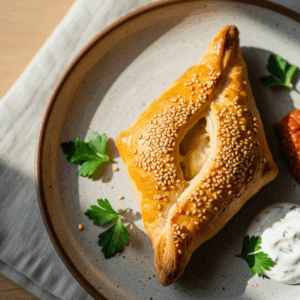

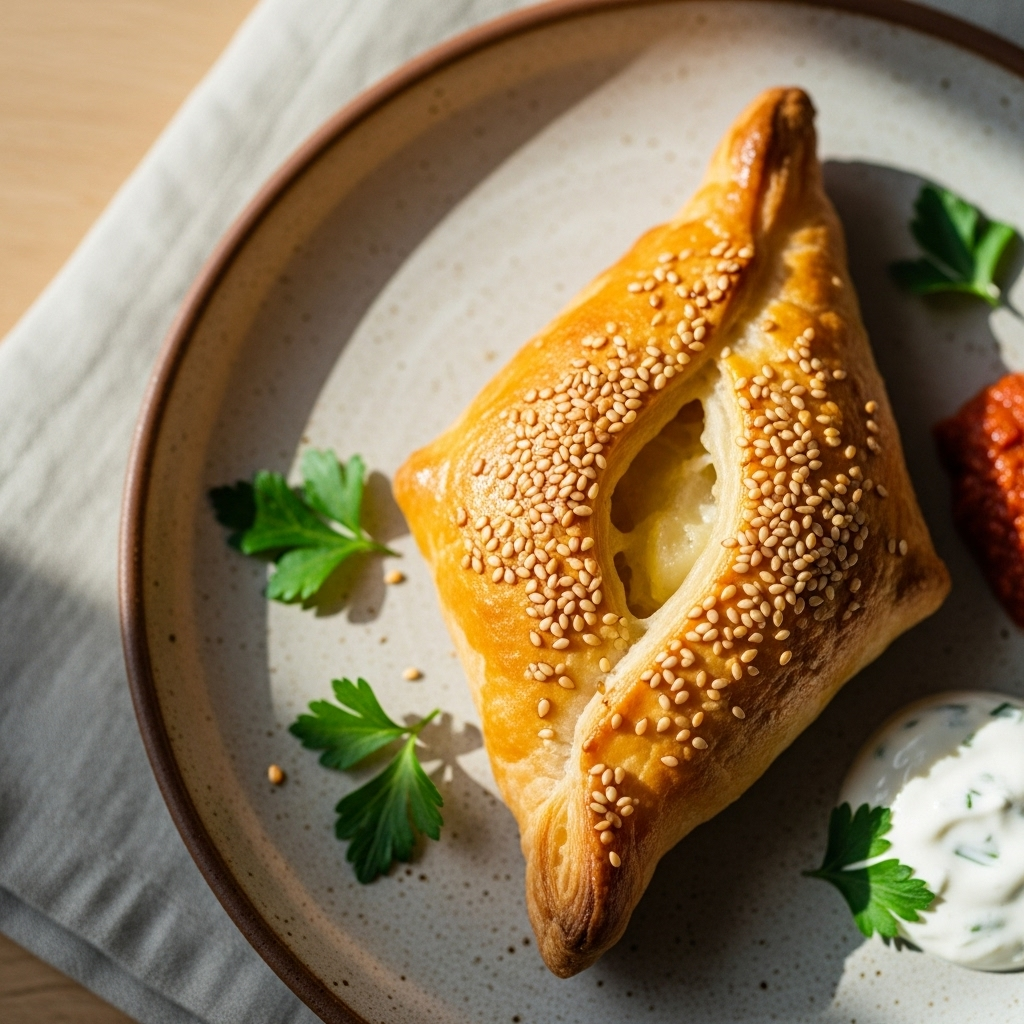
In the vibrant tapestry of Sephardic cuisine, few delights capture the heart and palate quite like borekas-golden, flaky pastries brimming with layers of history, culture, and irresistible flavor. These savory pockets,filled with everything from spiced cheeses to tender vegetables and rich meats,offer more than just a bite; they tell stories of ancient kitchens,bustling marketplaces,and family gatherings that have endured for generations. “Borekas Unwrapped: Sephardic Pastries Full of flavor” invites you on a mouthwatering journey into the world of these iconic treats, exploring their origins, regional variations, and the secrets behind their perfectly textured crusts and bold fillings. Whether your a seasoned food lover or a curious newcomer, prepare to unwrap the appetizing heritage baked into every boreka.
Borekas Unwrapped: Sephardic Pastries Full of Flavor
Borekas unwrapped reveal a rich tapestry of history, tradition, and culinary artistry that has captivated taste buds worldwide. These golden, flaky pastries have roots tracing back to the Sephardic Jewish communities, blending Mediterranean influences with local flavors. They are not just a snack but a festivity of culture, family gatherings, and festive moments, making each bite a journey through time and place.
Prep and Cook Time
- Preparation: 30 minutes
- Cooking: 25 minutes
- total Time: 55 minutes
yield
12 borekas (serves 4-6)
Difficulty Level
Medium – requires some practice with pastry folding but rewarding and approachable
Ingredients
- For the dough:
- 2 cups all-purpose flour, sifted
- 1/2 teaspoon salt
- 1 cup cold unsalted butter, cubed
- 1/3 cup cold water, plus extra if needed
- For the cheese filling:
- 1 1/2 cups crumbled feta cheese
- 1 cup shredded mozzarella
- 2 tablespoons chopped fresh parsley
- 1 large egg, beaten (for sealing and glazing)
- Optional fillings: sautéed spinach with garlic, mashed potato with caramelized onions, spiced ground beef with pine nuts
Step by Step Guide to Crafting perfectly Flaky Borekas
- Make the dough: In a large bowl, whisk together flour and salt. add the cold cubed butter and use your fingertips or a pastry cutter to rub the butter into the flour until the mixture resembles coarse crumbs with pea-sized bits of butter remaining.
- Form the dough: Gradually add cold water, mixing gently until dough just comes together. Avoid overworking to maintain flakiness. shape into a disk, wrap in plastic, and chill for at least 30 minutes.
- Prepare the filling: in a medium bowl, combine feta, mozzarella, and parsley. Season lightly if needed.
- Roll and cut the dough: on a lightly floured surface,roll dough to about 1/8 inch thickness. Cut into 4-inch squares or circles, depending on your preferred shape.
- Fill the pastries: Place 1-2 tablespoons of filling in the center of each piece. Brush edges with beaten egg, than fold over to form a triangle or half-moon. Press edges firmly to seal, crimping with a fork for a decorative finish.
- Glaze and bake: Transfer borekas to a parchment-lined baking sheet. Brush tops generously with beaten egg for a glossy golden finish. Bake in a preheated oven at 375°F (190°C) for 20-25 minutes or until puffed and golden brown.
- Cool slightly: Allow borekas to cool on a rack for 10 minutes before serving to enhance the delicate flakiness.
tips for Success
- Use cold butter and work quickly to keep the dough chilled, ensuring flaky layers.
- If dough feels to dry, add water a teaspoon at a time; if too sticky, dust with flour sparingly.
- Experiment with diverse fillings from sweet pumpkin and cinnamon to savory mushrooms and feta for exciting variations.
- Make dough ahead and freeze for convenience; thaw fully before rolling out.
- Brush edges with egg wash to seal perfectly and avoid bursting during baking.
Exploring the Diverse Fillings and Dough Varieties
Borekas are as versatile as they are delicious. While the classic cheese filling remains a favorite,each region and family carries unique recipes: from lentil and herb blends in Morocco to spiced meats in Turkey or simply potato and onion in the Balkans. Dough textures can vary too, with some favoring a puff pastry inspired by French techniques, while others prefer a simpler phyllo or even a yeasted dough, adding softness and tenderness. This adaptability is what keeps borekas unwrapped so relevant and beloved across cultures.
Pairing Borekas with Conventional and Modern Accompaniments
Enjoy borekas warm, paired with refreshing sides that complement their buttery richness.Traditional accompaniments include tzatziki, bitter greens like arugula, or tangy pickled vegetables. For a modern twist, try them alongside a vibrant beet hummus, a drizzle of pomegranate molasses, or a crisp citrus salad. A chilled glass of white wine or a robust herb-infused tea completes the experience beautifully, turning simple pastries into an unforgettable meal or snack.
Nutritional Information
| Per Boreka | calories | Protein | Carbs | Fat |
|---|---|---|---|---|
| Cheese filling | 200 kcal | 8 g | 15 g | 12 g |
Serving Suggestions
- Serve borekas warm on a rustic wooden board, garnished with sprigs of fresh parsley or mint for color and fragrance.
- Accompany with small bowls of olives, roasted nuts, or a drizzle of olive oil infused with za’atar.
- Pair with a light salad of baby tomatoes, cucumber, and red onion dressed in lemon vinaigrette to balance richness.

Delve deeper into traditional Mediterranean pastries with our Mediterranean Pastries Guide. For more on the cultural history of Sephardic cuisine, visit Encyclopedia Britannica.
Q&A
Q&A: Borekas Unwrapped: Sephardic Pastries Full of Flavor
Q: What exactly are borekas?
A: Borekas are savory pastries that trace their roots to Sephardic Jewish cuisine. Imagine flaky, golden pockets stuffed with a delicious array of fillings-from creamy cheeses and tender spinach to spiced potatoes and hearty mushrooms. Each bite is a journey into a rich culinary tradition that blends Middle Eastern and Mediterranean flavors with a flaky, buttery aroma.
Q: Where did borekas originate?
A: Borekas hail from the Sephardic Jewish communities of the Ottoman Empire, especially regions that are now parts of Turkey, the Balkans, and North Africa. These pastries evolved as a staple, easy-to-share comfort food that honored the kosher laws while highlighting local ingredients and spices.
Q: What makes borekas different from other pastries like empanadas or samosas?
A: While borekas, empanadas, and samosas share the concept of a stuffed pastry, borekas are unique for their use of phyllo or puff pastry dough that’s incredibly thin and flaky. The fillings often reflect Sephardic culinary influences-think tangy cheeses, herbs like parsley and dill, and gentle spices rather than intense heat.
Q: What are some classic fillings for borekas?
A: Classic borekas fillings typically include a blend of salty cheeses such as feta or ricotta, sautéed spinach or mashed potatoes seasoned with garlic and onions, and sometimes mushrooms or eggplant. Some versions even incorporate ground meat or lentils,offering a rich,earthy twist.
Q: How do you make borekas at home? Are they challenging to prepare?
A: Borekas might seem intricate as of the pastry, but with the right dough-whether pre-made puff pastry or homemade phyllo-they’re very approachable. The key is in layering the dough thinly and sealing the edges well to keep the filling juicy and the pastry crisp. Prep the filling in advance, assemble thoughtfully, and bake until golden for a rewarding dish.
Q: When are borekas traditionally eaten?
A: Borekas are wonderfully versatile! They’re often enjoyed as a snack, appetizer, or even a light meal. In Sephardic communities, borekas are popular during Shabbat, holidays, and festive gatherings-times when sharing warm, comforting food is a form of celebration and connection.
Q: Can borekas be found outside Sephardic communities today?
A: Absolutely! Thanks to culinary cross-pollination and the Jewish diaspora, borekas have gained popularity worldwide.You’ll find them in bakeries, markets, and restaurants from Tel Aviv to New York, where food lovers celebrate their flaky, flavorful magic.
Q: Any tips for pairing borekas with drinks or sides?
A: Borekas pair beautifully with refreshing accompaniments like tangy Israeli salad, pickled vegetables, or a dollop of labneh.For drinks, a crisp white wine, mint tea, or even a sparkling water with a splash of lemon highlight the savory richness without overpowering the delicate layers.Q: What’s the cultural significance of borekas in Sephardic heritage?
A: More than just food, borekas symbolize resilience and cultural pride. Passed down through generations, they embody the fusion of histories, migrations, and flavors that define Sephardic identity. Sharing borekas is sharing a story-a delicious slice of tradition unwrapped and savored.
From golden crust to savory filling, borekas are more than pastries; they’re edible stories wrapped in layers of flavor and history. Ready to unwrap your first bite?
Insights and Conclusions
As we draw the layers of our Borekas journey to a close, it’s clear that these Sephardic pastries are more than just flaky delights-they are edible stories, each fold bursting with centuries of culture, tradition, and flavor.Whether stuffed with savory cheese, earthy spinach, or spiced potatoes, Borekas invite us to unwrap a little piece of sephardic heritage with every bite. So next time you encounter these golden parcels, remember: you’re not just savoring a pastry, but a rich tapestry of history-one delicious layer at a time.