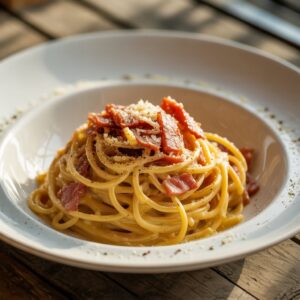

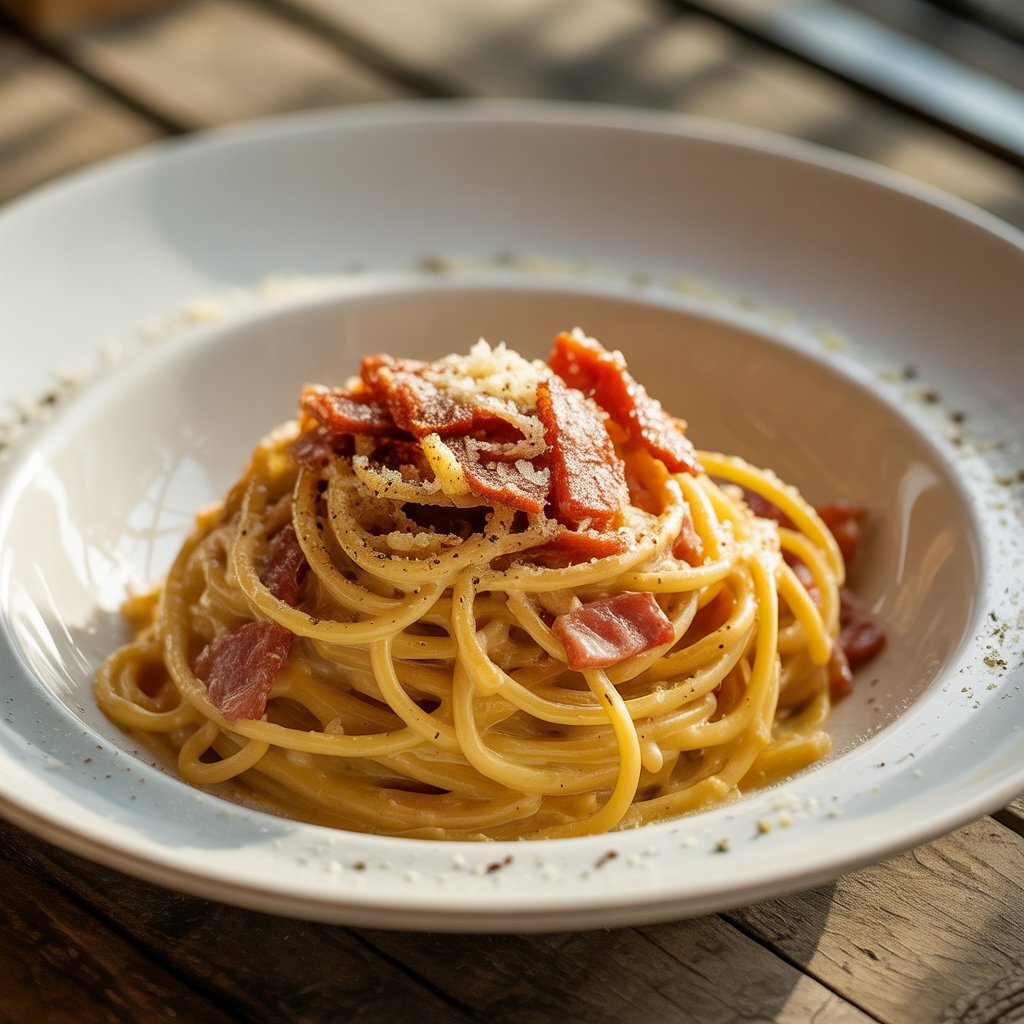
In the heart of Italy’s culinary tapestry lies a dish that embodies simplicity and soul – Spaghetti Carbonara. often celebrated as a creamy delight, this timeless classic weaves together humble ingredients into a symphony of rich, comforting flavors. Rooted in Roman tradition yet beloved worldwide, carbonara is more than just pasta; it’s an artful balance of history, technique, and passion. Join us as we explore the origins, secrets, and everlasting charm of Italy’s creamy masterpiece, where every silky bite tells a story of authenticity and culinary craftsmanship.
Spaghetti Carbonara stands as a true testament to Italian culinary ingenuity,combining simple ingredients to create an unforgettable creamy delight. Originating from Rome in the mid-20th century, this dish has captured hearts worldwide with its rich flavors and silky texture. The classic art of Spaghetti Carbonara lies not just in its taste but in the delicate balance of customary ingredients like guanciale, eggs, Pecorino Romano, and freshly cracked black pepper-all harmonizing perfectly in every bite.
Prep and Cook Time
- Planning: 10 minutes
- Cooking: 15 minutes
- Total Time: 25 minutes
Yield
Serves 4 hungry pasta lovers
Difficulty Level
Medium – requires precise timing and technique to master the creamy texture
Ingredients
- 400g (14 oz) spaghetti, preferably durum wheat
- 150g (5 oz) guanciale, diced (substitute pancetta if unavailable)
- 3 large free-range eggs
- 100g (1 cup) finely grated Pecorino Romano cheese
- Freshly ground black pepper, to taste
- salt, for pasta water
Instructions
- Bring a large pot of salted water to a boil and cook the spaghetti until al dente (usually about 8-9 minutes).Reserve 1 cup of the pasta cooking water before draining.
- While pasta cooks, heat a large skillet over medium heat and add the guanciale. Sauté until golden and crispy, about 5 minutes, stirring occasionally to release its flavorful fat.
- In a medium bowl, whisk together the eggs, Pecorino Romano, and a generous amount of freshly ground black pepper. This mixture is the heart of the creamy sauce.
- Drain the spaghetti and immediately transfer it to the skillet with the guanciale (off the heat to prevent scrambling).Toss well to coat the pasta in the rendered fat.
- Slowly add the egg and cheese mixture, tossing vigorously and continuously to create a luscious, creamy sauce that clings to every strand. Add reserved pasta water a little at a time to loosen the sauce if it truly seems too thick.
- Serve promptly with an extra sprinkle of Pecorino and a final crack of black pepper for that authentic finish.
Tips for Success
- Use guanciale: Its fatty, porky flavour is essential for authenticity. Pancetta works in a pinch but alters the taste slightly.
- Temperature control: Remove the pan from heat before adding eggs to avoid scrambling. Toss quickly and steadily.
- Cheese choice: Freshly grated Pecorino romano delivers sharp saltiness and depth unmatched by pre-grated cheese.
- Pasta water magic: Starchy cooking water is your secret weapon for smoothing the sauce to that perfect silken texture.
- Make ahead: Grate cheese and dice guanciale in advance to speed up the cooking process at mealtime.
Serving Suggestions
Present this creamy wonderplate simply on warmed dishes, garnished with a sprinkle of extra Pecorino and a twist of black pepper.A light drizzle of high-quality extra virgin olive oil can add a subtle richness. Pair it with a crisp Italian white wine like Verdicchio or Pinot Grigio to balance the dish’s savoriness. Serve alongside a fresh arugula salad dressed with lemon for a vibrant contrast.

| Nutritional Info (Per Serving) | calories | Protein | Carbs | Fat |
|---|---|---|---|---|
| Spaghetti Carbonara | 520 kcal | 20g | 65g | 18g |
For more rich and authentic Italian pasta recipes, check out our collection of classic Italian pasta dishes.To explore the fascinating history of Italy’s culinary treasures, visit Britannica’s Carbonara article.
Q&A
Q&A: The Classic Art of Spaghetti Carbonara – Italy’s Creamy Delight
Q1: What makes Spaghetti Carbonara a true classic in Italian cuisine?
A1: Spaghetti Carbonara is the epitome of simplicity meeting sophistication. With just a handful of humble ingredients-eggs, Pecorino Romano cheese, guanciale, black pepper, and spaghetti-this dish transforms into a creamy, comforting masterpiece. Its true magic lies in the technique: the silky sauce forms without cream, relying rather on the perfect emulsification of eggs and cheese, capturing the essence of Italian culinary elegance.
Q2: Where did Spaghetti Carbonara originate?
A2: While the exact origin is a bit of a delicious mystery, Spaghetti Carbonara is widely believed to have been born in Rome during the mid-20th century. Some say it was a hearty meal for charcoal workers (“carbonari”), while others link it to the post-war era, when American soldiers brought powdered eggs and bacon, inspiring local cooks to blend these ingredients creatively. Regardless of its roots, Carbonara remains a proud symbol of Roman cuisine.
Q3: Why doesn’t traditional Carbonara use cream?
A3: Ironically, the creamy texture of authentic Carbonara never comes from cream. Rather,the glossy,luscious sauce forms from carefully combining hot pasta with raw eggs and pecorino Romano cheese off the heat. the residual warmth cooks the eggs gently, creating a silky coating that clings to each strand of spaghetti-pure culinary alchemy. Adding cream is often considered an needless and inauthentic shortcut.
Q4: What role does guanciale play in Carbonara?
A4: Guanciale, pork jowl cured with salt, pepper, and sometimes herbs, is the star ingredient that imparts Carbonara its distinctive depth and smoky richness. Unlike pancetta or bacon, guanciale offers a unique fatty texture that renders perfectly crispy yet tender bits, infusing the pasta with a robust umami flavor that elevates the dish beyond ordinary.
Q5: Can Carbonara be made with variations, or should it always stick to tradition?
A5: While true Italian purists cherish the classic recipe untouched, the allure of Carbonara has inspired countless adaptations worldwide-adding peas, mushrooms, or even swapping guanciale for bacon. Experimentation is part of culinary creativity, but those who wont the authentic Roman experience should embrace the minimalist beauty of the original. After all, sometimes less is more, especially when every ingredient sings in harmony.
Q6: What tips ensure a perfect homemade Carbonara?
A6: The secret lies in timing and temperature. Cook pasta al dente and reserve some starchy pasta water.Crisp the guanciale just right to render its fat without burning. When mixing, remove the pan from direct heat to avoid scrambling eggs-work quickly to toss pasta with the egg-cheese mixture, adding pasta water as needed to reach that silky consistency. Freshly cracked black pepper finishes the song with a peppery kick.
Q7: Why does Carbonara continue to captivate food lovers globally?
A7: carbonara is more than a dish; it’s a party of simple ingredients crafted with care and passion. Its comforting creaminess evokes warm gatherings and shared moments, embodying the soul of Italian hospitality.in every forkful lies history, technique, and an irresistible urge to savor life’s delicious pleasures-pure, unpretentious, and utterly timeless.
Concluding Remarks
As the final twirl of spaghetti slips off your fork, you’re reminded that Carbonara is more than just a dish-it’s a culinary storybook of Italian tradition, simplicity, and passion. Its creamy embrace, crafted from just a handful of humble ingredients, captures the essence of Italy’s timeless kitchen wisdom.Whether you savor it in a bustling Roman trattoria or recreate it at home, the classic art of Spaghetti Carbonara invites you to celebrate the beauty of uncomplicated flavors brought to life with care. In every bite, you taste history, culture, and a little slice of la dolce vita.