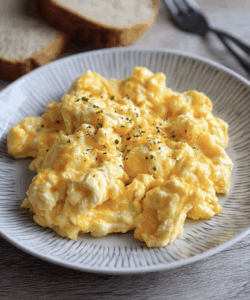

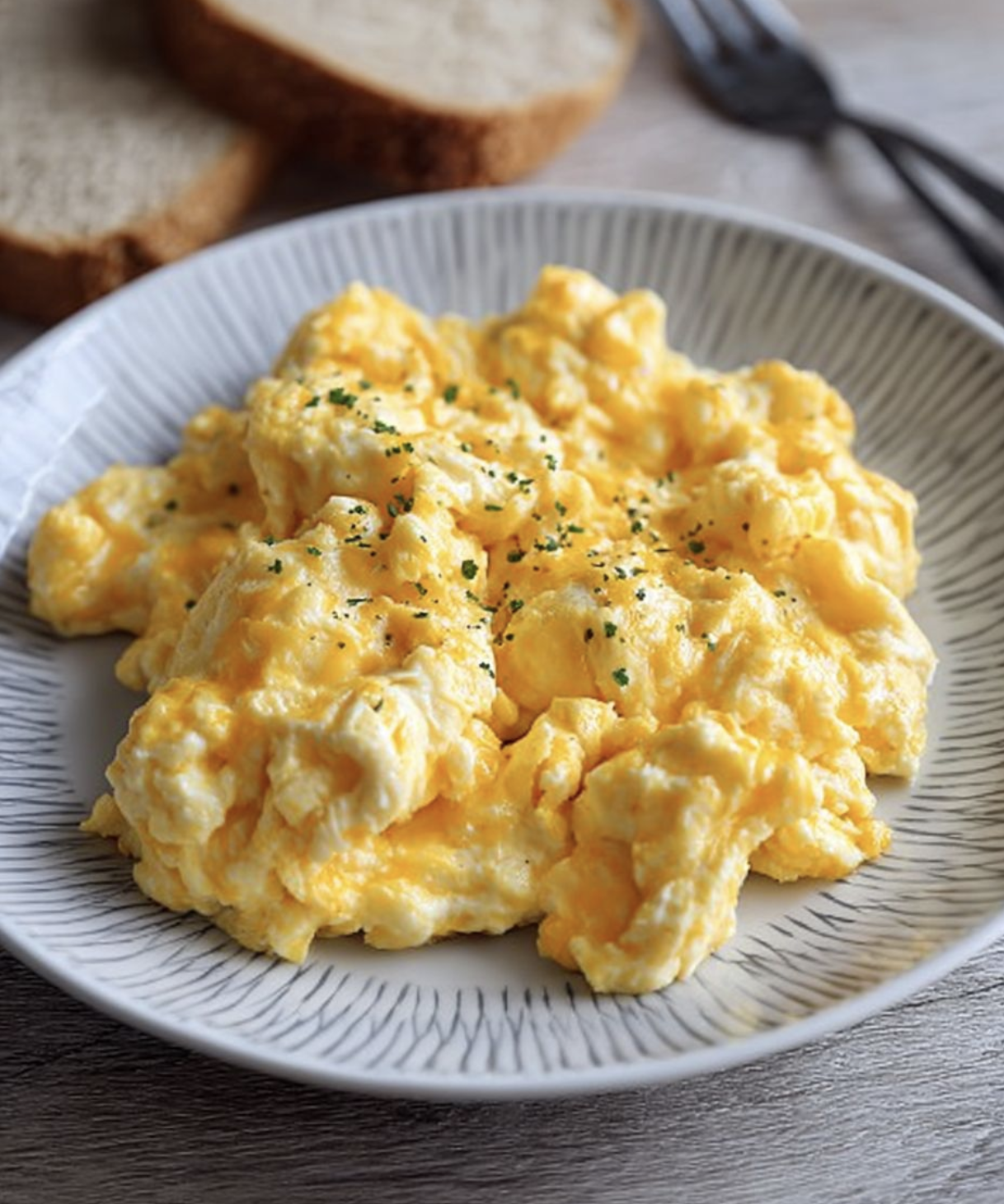
when it comes to breakfast classics, few dishes are as universally beloved-or as deceptively simple-as scrambled eggs. But beneath their fluffy, golden surface lies a subtle mystery that often trips up even the most health-conscious eaters: just how many calories are you really devouring with every bite? In “Cracking Calories: The truth Behind Scrambled Eggs’ Count,” we peel back the layers of this staple dish, exploring the factors that influence its calorie content and unraveling common misconceptions.Prepare to rethink your morning plate as we scramble thru the science, cooking methods, and hidden ingredients that define the true calorie count of scrambled eggs.
Cracking calories in scrambled eggs reveals much about how cooking methods and added ingredients shape this beloved morning staple’s nutritional profile. Whether you prefer your eggs soft and silky or firm and fluffy, understanding the impact of heat and pan techniques can transform your breakfast into a perfectly balanced, flavorful dish without unnecessary excess calories.
Prep and Cook Time
Preparation: 5 minutes Cooking: 5 minutes
Yield
serves 2
Difficulty Level
Easy
Ingredients
- 4 large eggs, room temperature
- 2 tbsp low-fat milk or unsweetened almond milk
- 1 tsp olive oil or light butter
- Salt, to taste
- freshly ground black pepper, to taste
- 1/4 cup diced tomatoes (optional, for freshness and volume)
- 2 tbsp chopped fresh chives or parsley
- Cooking spray (optional, for a lighter pan coat)
Instructions
- Whisk the eggs in a medium bowl with the milk until the mixture is smooth and pale yellow, indicating air has been incorporated for fluffiness.
- Preheat a nonstick skillet over medium-low heat and lightly coat it with olive oil or cooking spray. Avoid high heat to prevent tough, rubbery eggs which increase calorie density through added cooking fat.
- Pour the egg mixture into the skillet and let it gently set without stirring for about 20 seconds.
- Using a silicone spatula, slowly push the eggs from the edges toward the center in sweeping motions, allowing uncooked egg to flow underneath.
- When the eggs are still slightly runny but mostly cooked-about 2 to 3 minutes-gently fold in the diced tomatoes and herbs to add vibrant flavor and nutrients without extra calories.
- Season with salt and pepper to taste,then remove the pan from heat just before eggs look fully firm; residual heat will finish cooking,preserving moisture and preventing dryness.
- Serve instantly for the best texture and flavor.
Chef’s Notes
- For a lighter scramble, substitute whole eggs with a combination of egg whites or an egg white substitute to reduce fat and cholesterol while maintaining protein content.
- Add volume with vegetables like spinach, mushrooms, or bell peppers-these boost nutrients and keep calories in check.
- Skip heavy cream or full-fat cheese and rather use nutritional yeast or a sprinkling of low-fat cheese for savory richness with fewer calories.
- If you prefer a creamier texture without excess calories, consider a splash of unsweetened almond milk or skim milk, which lighten the mix without sacrificing flavor.
- For meal prep, scramble eggs gently, cool quickly, and store in an airtight container. Reheat gently on low in a covered skillet or microwave, adding a splash of milk to restore creaminess.
Serving Suggestions
Present your fluffy scrambled eggs atop a slice of whole-grain toast or nestled alongside roasted cherry tomatoes. Garnish with an extra sprinkle of fresh herbs and a dusting of cracked black pepper for visual appeal and a fresh burst of flavor. For a nutrient-dense boost, add avocado slices or a dollop of salsa on the side, complementing the eggs with healthy fats and vibrant zest.

Nutritional Details per Serving
| Calories | Protein (g) | Carbohydrates (g) | Fat (g) |
|---|---|---|---|
| 180 | 14 | 3 | 12 |
Understanding cracking calories in scrambled eggs is key to customizing your breakfast with flavor and nutrition in mind. For more on managing egg calories and tasty variations, visit our Healthy Egg Recipes page. Additionally, consult reputable nutritional insights from the British Nutrition Foundation to deepen your understanding.
Q&A
Q&A: Cracking Calories - The Truth Behind Scrambled Eggs’ Count
Q1: Why do scrambled eggs’ calorie counts vary so much?
A1: Scrambled eggs are a canvas, and how you paint them changes the calorie picture. The calorie count depends on the number of eggs, the amount and type of fat used (butter, oil, or none), added milk or cream, and even extras like cheese or veggies. Each ingredient stacks up calories differently, turning your simple scramble into either a light snack or a hearty meal.
Q2: How many calories are in a basic scrambled egg?
A2: One large scrambled egg, cooked without any added fat or dairy, clocks in around 90 calories. This count rises when you add butter or milk, common companions that many don’t realise significantly boost the total.
Q3: Does adding milk really make a difference?
A3: Yes! A splash of whole milk or cream can add anywhere from 20 to 50 extra calories, depending on how much you use. While it makes the eggs creamier and fluffier,those calories sneak up quietly,so it’s good to keep portion sizes in check.
Q4: What’s the impact of cooking fat on calorie content?
A4: It’s substantial. A tablespoon of butter or oil adds roughly 100-120 calories. Scrambling eggs in a non-stick pan with minimal or no fat can cut these extra calories dramatically, but many favor the richer taste butter imparts.
Q5: Can adding vegetables change the calorie count a lot?
A5: Vegetables generally add minimal calories-think 10 to 30 more, depending on quantity and type-but they bring valuable nutrients and fiber. They’re smart calorie fillers that enhance both flavor and nutrition.
Q6: How about cheese or meats in scrambled eggs?
A6: Cheese and meats are calorie heavy hitters. Cheese can add 50-100 extra calories per ounce, while bacon or sausages can add even more. These add richness and protein but quickly ramp up total calories.
Q7: What’s the best way to keep scrambled eggs low-cal?
A7: For a leaner scramble, opt for cooking spray or non-stick pans with little to no fat, skip milk or choose low-fat versions, and load up on veggies instead of cheese or meat. Season with herbs and spices for flavor without extra calories.
Q8: Why should we care about these calorie details in scrambled eggs?
A8: Eggs are often seen as a ”diet-pleasant” breakfast, but how you prepare them can shift your calorie intake significantly. Understanding these nuances helps you make mindful choices aligned with your nutrition goals without sacrificing flavor or enjoyment.Q9: Is there a simple formula to estimate scrambled egg calories at home?
A9: Roughly,start with 90 calories per large egg,add about 100 calories for each tablespoon of butter or oil,20-30 calories for a splash of milk,and 50-100 calories per ounce of cheese or meat. Toss in roughly 10-30 calories for vegetables. This framework can keep your tally solid and honest.
Q10: What’s the bottom line on scrambled eggs and calories?
A10: Scrambled eggs are versatile, tasty, and can be as low or as high in calories as you want. The secret lies in the mix-ins and cooking method. Crack the code by knowing what goes in the pan, and your calorie count will no longer be a cracked mystery!
The Way Forward
As we’ve unraveled the layers behind the humble scrambled egg, it’s clear that calories are more than just numbers on a plate-they’re a dynamic story shaped by cooking methods, portion sizes, and added ingredients.Next time you crack open those shells, remember: understanding the true calorie count empowers you to make choices that nourish both body and appetite. So go ahead, savor your scramble with confidence-becuase now, you hold the secret to cracking calories in every bite.